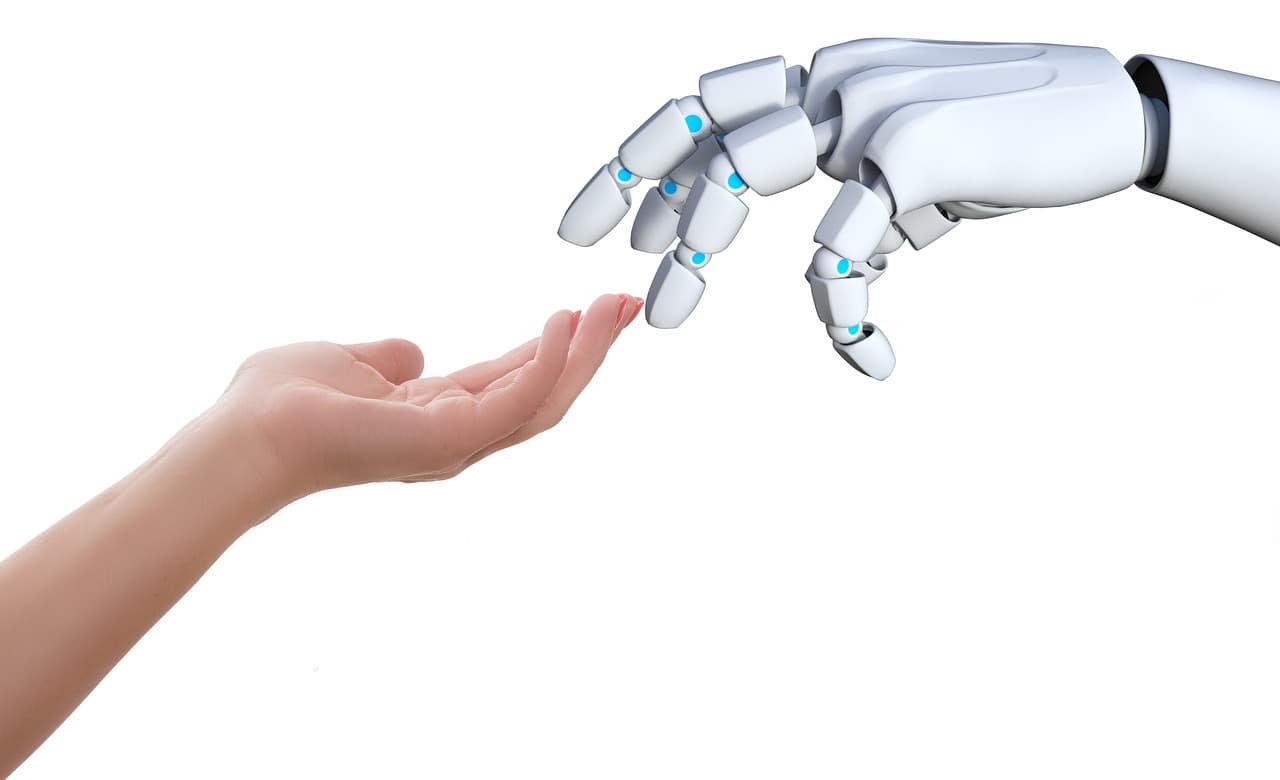
Robotics company 1X introduced Neo, a home robot whose hand the firm describes as the most human-like in construction to date. Rather than placing motors in the fingers, 1X locates the actuators in the forearm and runs cables down to the joints, emulating how tendons pull in a human hand.
Technical features and capabilities
- Each Neo hand provides 25 degrees of freedom; by comparison, a human hand has 27 degrees of freedom. 1X emphasizes the mechanical architecture over the raw count.
- The cable-driven design lets the fingers conform to and grip irregular shapes, and the system can sense when an object is slipping from the grasp.
- The fingers can hyperextend beyond human digit limits.
- The hand carries an IP68 rating for dust and water protection, enabling tasks such as washing its own hands and plugging itself in.
How this compares to existing approaches
Dexterous robotic hands are not new: Shadow Robotics reached comparable joint counts years ago, Tesla's Optimus runs 22 degrees of freedom, and Sanctuary designs have around 20. However, most prior designs placed motors inside the fingers or knuckles to reproduce the motions of a human hand.
1X starts from anatomy rather than outcome: actuators are placed in the forearm and cables perform the pull like tendons. According to the company, copying how a hand is built—rather than only what it does—produces different functional results, including finer grip adaptation and improved slip sensing.
Takeaway
1X's Neo aims to shift the design paradigm for robotic hands by reproducing the structural layout of a human hand. The company argues that this tendon-driven, forearm-actuated approach leads to materially different capabilities than hands that merely mimic human motions by embedding motors in the digits.