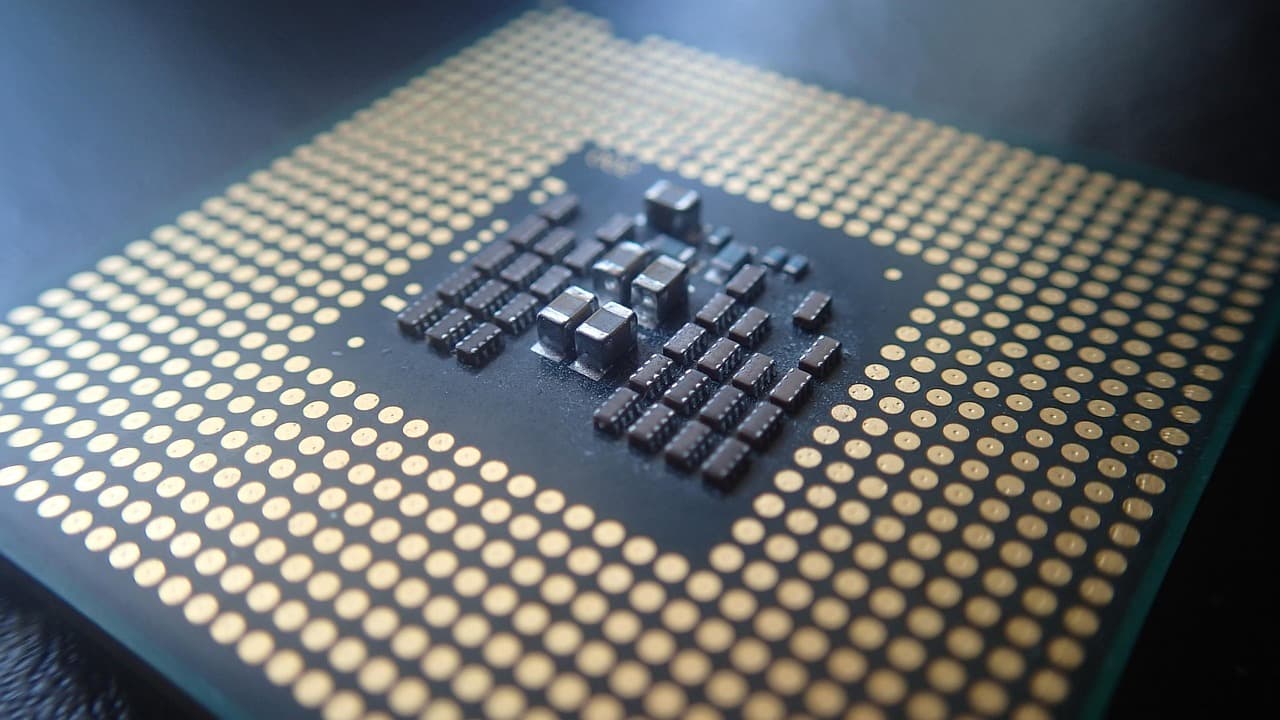
Chinese company DeepSeek is reportedly developing its own artificial intelligence chip intended primarily for inference — the stage of AI processing where a trained model generates outputs for users — according to U.S. News sources who requested anonymity. The chip is not designed for training new models.
If completed, the chip would mark a strategic shift for the Hangzhou-based firm: it would reduce DeepSeek’s current reliance on American Nvidia and Chinese Huawei chips.
Context and market drivers
A 2023 U.S. export restriction limited sales of certain Nvidia chips, such as the H800 designed for the Chinese market, which has led Chinese AI firms to rely more heavily on Huawei’s offerings. Huawei has captured an estimated large share of China’s roughly $50 billion AI chip market, supplying units to companies including DeepSeek. However, Huawei’s products remain behind Nvidia’s most advanced chips in technical capability.
Meanwhile, other major Chinese technology companies — including Baidu and Alibaba — are also developing their own processors, putting potential pressure on Huawei’s market share over time.
Project status and objectives
According to the report, DeepSeek’s chip project is in its early stages: work began roughly a year ago, the company has started recruiting engineers, and it is seeking manufacturing partners. The initiative started without public job postings and has been conducted discreetly.
DeepSeek aims to join a global trend in which AI developers prefer to run models on their own hardware to lessen dependence on Nvidia. Comparable moves include OpenAI’s Jalapeno unit, developed jointly with Broadcom, and Anthropic’s stated interest in proprietary chips.
Unknowns and implications
Key details remain unclear: there is no publicly available timetable for when DeepSeek’s chip might be completed, nor concrete information on its expected performance. Still, the U.S. export controls have left Chinese AI companies limited alternatives if they wish to avoid heavy reliance on foreign chips. For DeepSeek, an in-house solution could therefore provide a strategic advantage even at an early stage.
The DeepSeek effort reflects both a domestic push toward greater self-reliance in AI hardware within China and the broader competitive dynamics among Huawei, Nvidia, and local chip developers.