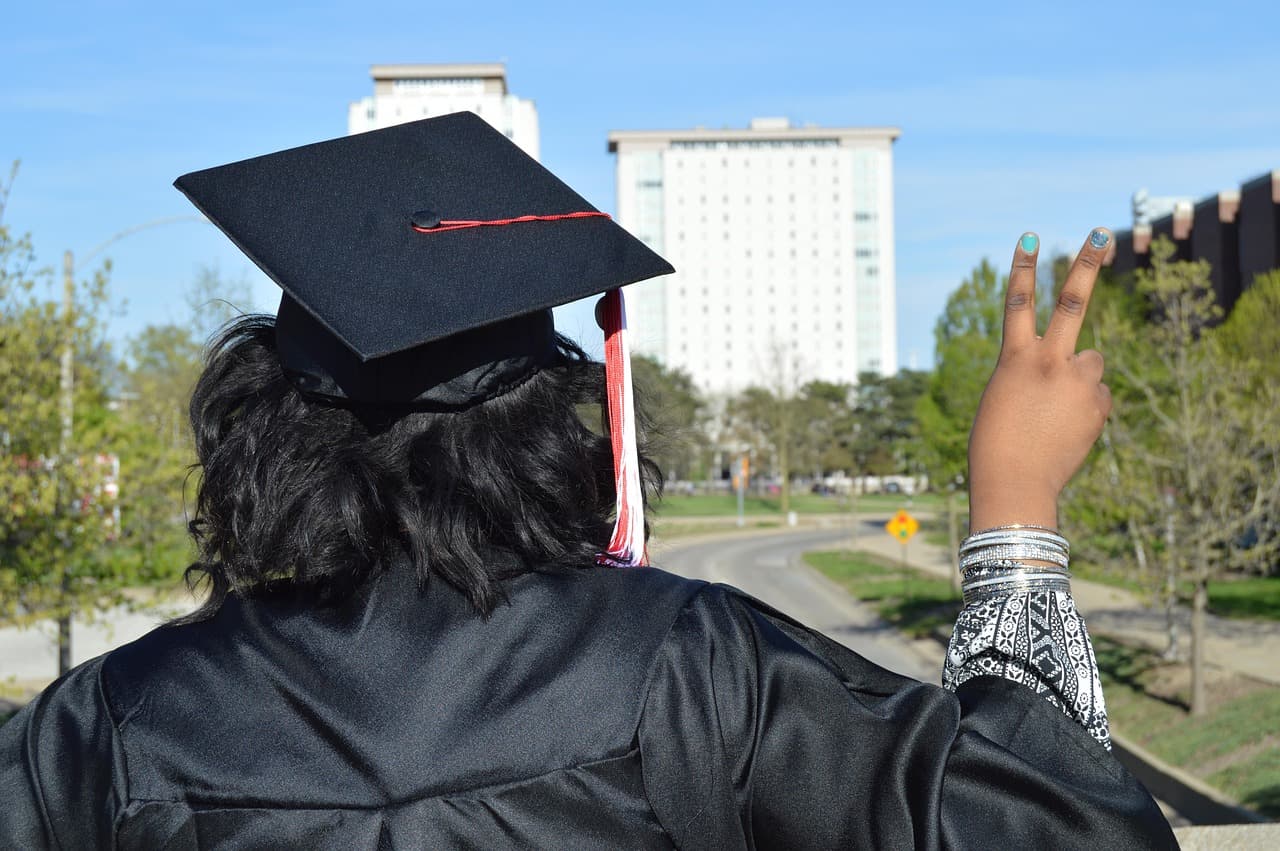
Public confidence in college degrees has declined, prompting many families and prospective students to reassess whether higher education still delivers a reliable return on investment. Rising student debt, doubts about curricular relevance and uncertainty about future jobs—exacerbated by concerns around artificial intelligence—are central to that reevaluation.
Why this matters
Higher education was long marketed as a pathway to upward mobility. Today, however, students and parents are weighing the tradeoffs more critically. Courtney Brown, vice president of impact and planning at Lumina Foundation, notes that two decades ago people rarely questioned whether college mattered; now they ask whether college prepares students for tomorrow’s jobs and whether it truly improves their prospects.
A June Gallup poll found that confidence in higher education fell this year across political parties and all levels of educational attainment. Job‑market pessimism has risen as well: at the end of 2025 Gallup found that only 19% of people with a college degree or higher thought it was a good time to find a quality job, compared with 35% of those without a degree.
The paradox: skepticism grows but enrollment pressure continues
Despite growing skepticism, many young people still face strong cultural and institutional pressure to attend college. Rachel Janfaza, founder of The Up & Up and a Gen Z researcher, says high schools, educators, parents, peers and broader cultural norms continue to push students toward four‑year institutions.
The main concerns
The reporting highlights three broad sources of anxiety:
- Affordability: Gabriel Sheahan, 24, a welding and fabrication student at Lincoln Technical Institute in New Jersey, said he avoided taking loans because he did not want to burden his family financially.
- Value for money: Rachel Sukkar, a 19‑year‑old philosophy major at the University of North Carolina at Chapel Hill, described difficulty getting required classes and intense competition for seats, calling the experience “like a rat race.”
- Outcomes: Moksha Agrawal, a 17‑year‑old incoming high school senior, said there is far more volatility now and no guaranteed level of success from a college degree compared with 20 years ago.
Vocational pathways as a tangible alternative
Vocational and trade programs are presented as realistic alternatives for students seeking direct career routes. Sheahan points out that while welding is demanding, he has already earned industry certifications and can envision a stable career path. He also observed that skilled trades have been stigmatized in recent decades even though many college graduates never end up working in the field of their degree.
Bottom line: institutions and students must show results
Janfaza argues that high schools and colleges should adjust to the changing labor market by placing greater emphasis on extracurricular experiences and soft skills. Courtney Brown told Axios that institutions need to demonstrate their value through measurable student outcomes rather than marketing: show the real career and life results of graduates to rebuild trust.