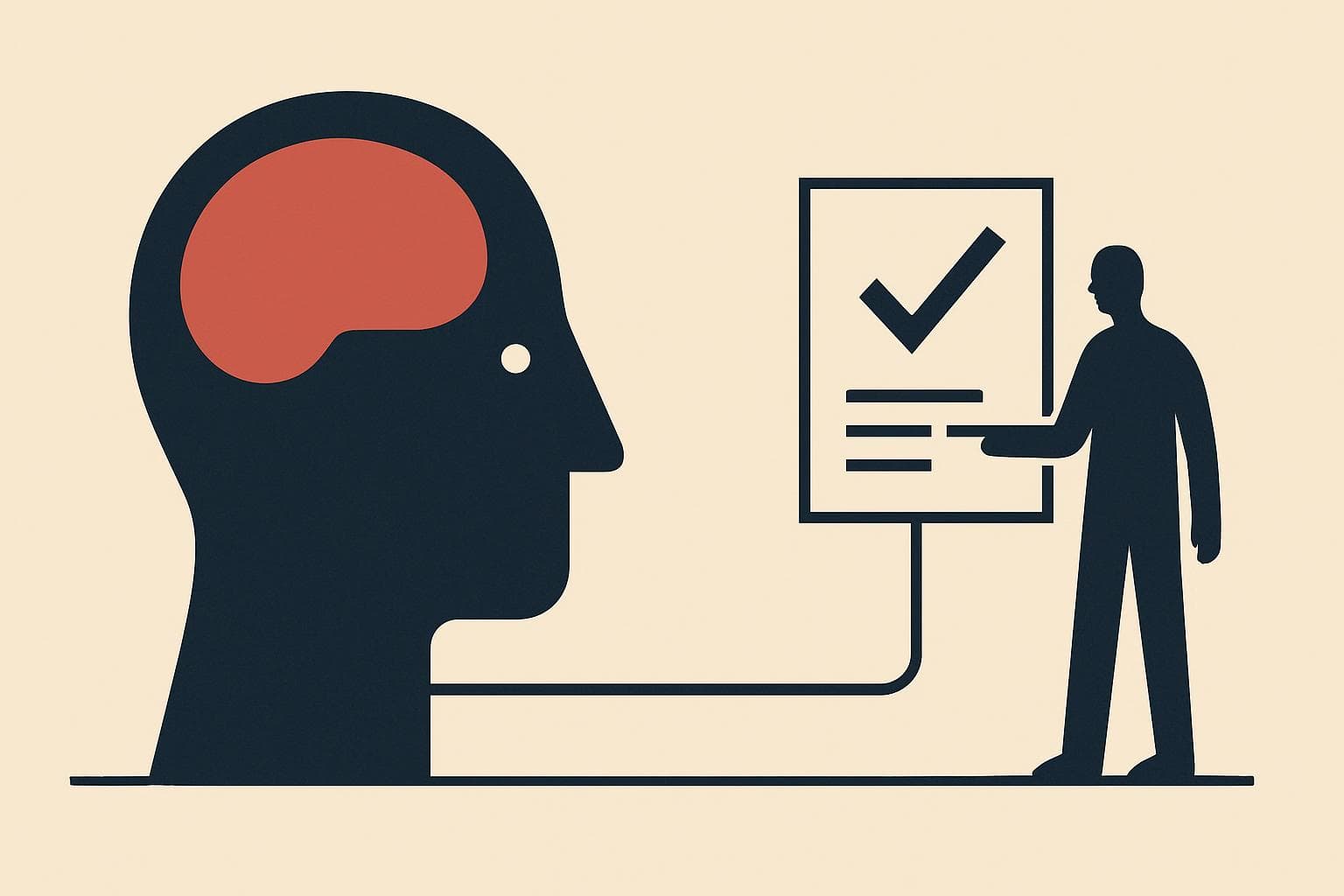
The term "Directly Responsible Individual" (DRI) is commonly traced back to Apple, where it denotes the person who is ultimately accountable for the success or failure of a specific project, initiative, or activity. The GitLab handbook adopts this definition when explaining the responsibilities associated with the DRI role.
LLM-powered agents and the question of DRI status
As organizations increasingly deploy agents powered by large language models (LLMs) to automate tasks, a practical question arises: can an LLM agent be named the DRI for a project?
Many observers, including the author of the original reflection, argue that agents should not be considered DRIs. The core of the argument is that being a DRI implies taking accountability — including being answerable for decisions and accepting moral or legal consequences — capacities that machines do not possess.
Historical parallel: IBM in 1979
This position echoes a well-known IBM training slide from 1979, which states: “A computer can never be held accountable; therefore a computer must never make a management decision.” The quote highlights that, despite technological advances, responsibility and accountability have historically been understood as human obligations.
Why this matters for organizations
- Clear legal and ethical responsibility chains are necessary: when a project fails, it must be possible to identify who bears the consequences.
- The operational strengths of LLM agents can and should be used, but that does not automatically confer accountability on the agents themselves.
- In practice, the DRI role should be assigned to a human who supervises agents, makes decisions, and accepts the resulting responsibilities.
Conclusion
The DRI concept — as used at Apple and described in the GitLab handbook — signifies human accountability. While LLM-based agents are useful tools for execution and support, current best practice and conceptual clarity suggest they should not be designated as DRIs. The IBM 1979 guidance serves as a reminder that responsibility remains a human domain even as automated capabilities expand.