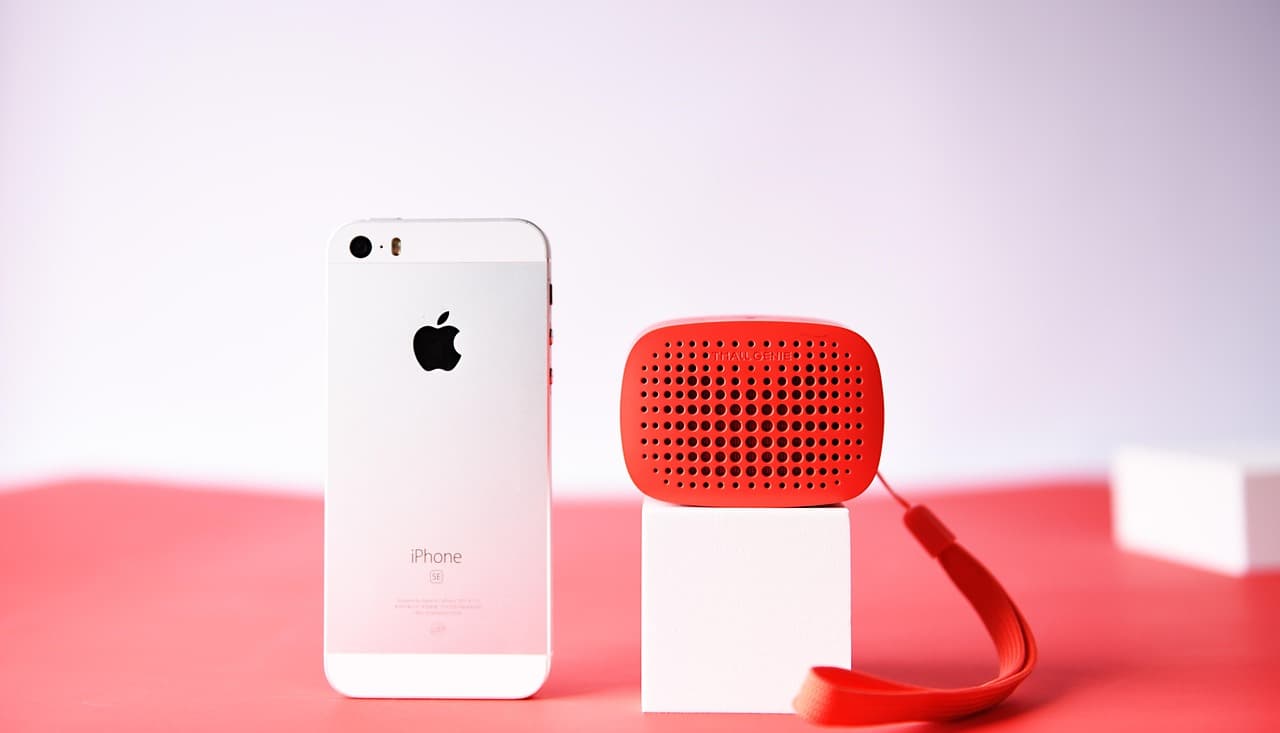
Meta is developing a small, Tamagotchi‑style device called Muse Charm to bring its Muse AI assistant out of phone screens and into the physical world. According to reports, the Muse Charm could reach the market in December. The device is intended to make the Muse AI a continuous companion rather than an app that is opened only occasionally.
What Muse can do and how the Charm extends it
Meta’s Muse assistant is more than a conversational bot: it can perform tasks on behalf of users, such as managing e‑mail, booking travel or restaurants, preparing purchases, handling calendars, searching for information, and accessing other services when granted permission. The Muse Charm extends this system by keeping the assistant constantly available without needing to take out a phone.
The device may include cameras and microphones so a user can show something to the Muse, ask what’s in front of them, delegate purchase preparation, manage messages, or handle simple errands. Meta’s idea is to integrate AI into daily life so it proactively supports users.
The core privacy concern
The principal concern is that a continuously carried AI could sense more of the physical environment than what the user types or asks. Similar to Meta’s experiments with so‑called “super sensing” in smart glasses, the Muse Charm could potentially monitor sounds and capture images periodically of what the wearer sees. In that scenario the AI could process camera and microphone inputs in real time, recognize objects, places, people or details of conversations, and extract information from them.
This goes beyond simple video recording: it could amount to continuous digital spatial sensing and data collection that allows the system to learn where we have been, what we saw, and whom we met, even if raw footage is deleted shortly afterward. The more the device observes and interprets, the harder it is to draw a bright line between helpful, proactive assistance and surveillance.
Legal and practical implications for bystanders
Using a Muse Charm is straightforward for the device owner: they can consent to Meta’s terms and enable camera or microphone access. People around them — coworkers, waitstaff, passersby, family members or guests — however, typically do not consent to being recorded or profiled by someone else’s device.
In Europe this raises particular legal hurdles. Under the EU General Data Protection Regulation (GDPR), not only stored footage counts as processing of personal data: it can already be problematic if a system collects, analyses or draws inferences about identifiable individuals. Face recognition can implicate biometric data, which is subject to stricter rules.
Existing law was largely designed for fixed cameras whose location, recording times and retention practices are known. A continuously moving, AI‑powered device raises different questions: for example, how can everyone in the vicinity be informed that their environment is being analyzed by another person’s device?
Early incidents and technical risks
The concerns are not purely theoretical. One reported incident involved a Muse user who granted broad permissions to the AI agent to handle a Facebook Marketplace transaction; the system ultimately disclosed the user’s home address to a buyer, who appeared at the property. Meta said it would change its permission system in response.
Another audit found a vulnerability in the Muse system that could have potentially exposed sensitive user data, such as e‑mails and files. These cases highlight how important technical safeguards and careful permissioning are for such platforms.
What this implies going forward
Meta maintains that the Muse Charm is not intended as a continuous surveillance device, yet the company is clearly moving toward AI that not only talks to and acts for users but can also see and hear what they see and hear. The central question for regulators and the public will be how to govern the collection and processing of such data — in particular, what the device is allowed to see and hear, how consent is obtained or conveyed, and how the rights of bystanders are protected when they have not granted permission.