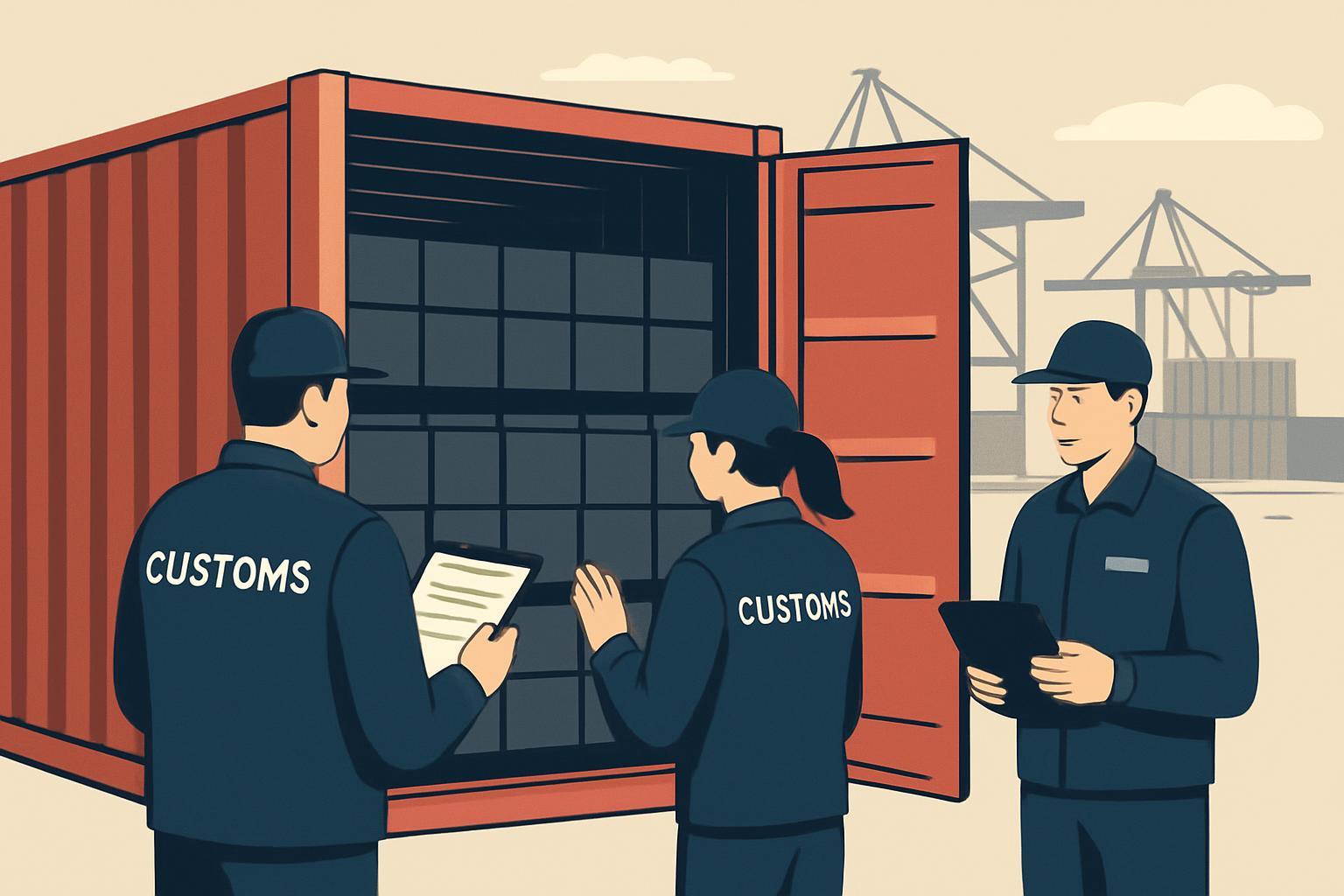
The National Tax and Customs Administration (NAV) has begun using artificial intelligence–based data analysis to flag companies that report unusually large cash-in-hand balances. Under the 2026 inspection guidelines, businesses whose recorded cash cannot be verified should expect intensified official checks in the final months of 2026 and in early 2027.
Which data sources power the system?
The new system cross-references multiple data streams in an automated fashion to detect anomalous economic activity. Inputs include online invoice data, tax returns, transactions from online cash registers, and annual financial statements. While the AI does not itself determine legal violations, it helps the authority efficiently select taxpayers for targeted audits.
What do inspectors focus on?
NAV is prioritizing companies that report exceptionally high cash balances in their records. A common issue is that amounts shown in the books—sometimes tens of millions of forints—are not actually present in the physical cash register. Inspectors primarily examine the reasons for discrepancies and the documentation of cash movements.
NAV’s findings show that missing cash is often linked to:
- owner withdrawals without proper receipts,
- undocumented shareholder loans,
- cash movements not supported by real economic transactions.
Possible consequences
A high cash-on-hand balance is not illegal by itself, but cash that exists only on paper can lead to serious accounting and tax consequences. An audit may reveal tax shortfalls; NAV can impose tax penalties and late-payment interest, and in more severe cases initiate criminal proceedings.
Recommendations for companies
Experts advise businesses to review their cash records and transaction documentation thoroughly before year-end. Resolving discrepancies in advance with the help of an accountant or tax adviser can reduce the risk of enforcement action and ensure that company figures reflect verifiable economic events.
Note
The cover image is illustrative; image source: Getty Images. An AI assistant contributed to preparing this article, and the final content was edited and verified by our journalist.