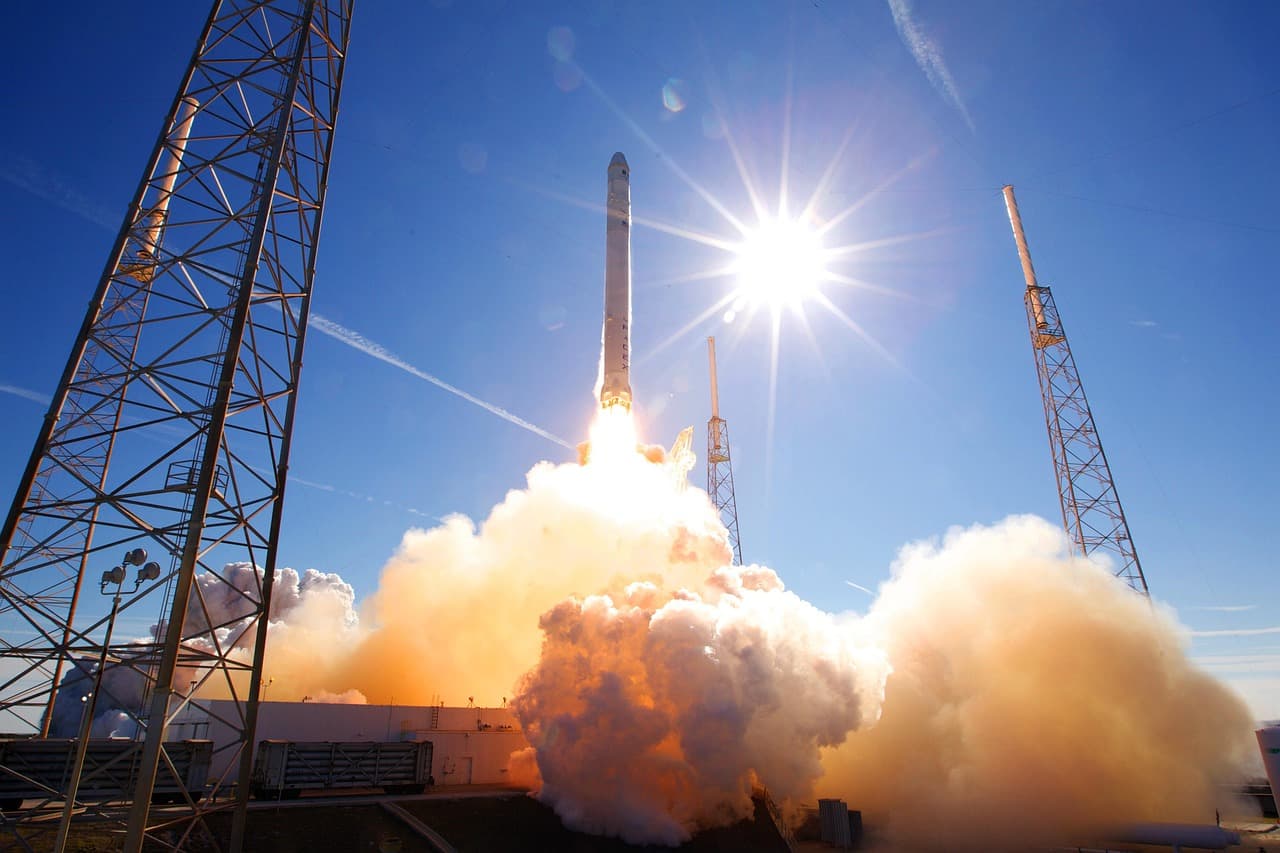
SpaceX plans to attempt to place its Starship into Earth orbit for the first time on the vehicle's 14th test flight, scheduled for Monday. The 75‑minute launch window opens at 14:15 Central European Time, and liftoff would take place from the Starbase launch site in Texas. The Federal Aviation Administration (FAA) issued authorization for "Starship Super Heavy Flight 14" on September 26 for launch and return operations.
None of the previous thirteen test flights aimed to reach orbit; the fourteenth flight is intended to allow Starship to circle the planet.
Starlink payload and vehicle's strategic role
The mission would also carry 26 third‑generation Starlink satellites. Those new satellites are manufactured at SpaceX's Redmond, Washington facility. According to SpaceX, their solar arrays generate twice the energy of the prior generation, the satellites are larger, and they offer faster data throughput for subscribers.
Starship is a central element of SpaceX’s growth strategy: the fully reusable rocket is intended to lower the cost of deploying Starlink satellites at scale. SpaceX said that Starlink was its largest and only profitable business in the second quarter of this year.
SpaceX currently operates about 11,000 active satellites, while main competitor Eutelsat OneWeb has roughly 650 active satellites. In its August earnings commentary, Elon Musk noted that Starlink could potentially carry a large share of global internet traffic in the future.
Financial and program context
Following June’s record‑breaking initial public offering, SpaceX’s market value is reported at roughly $2,000 billion (about two trillion dollars). The company is preparing Starship for a planned NASA test flight in 2027, with the rocket envisioned as a means to return American astronauts to the surface of the Moon in future missions.
Gwynne Shotwell, SpaceX Chief Operating Officer, said at this month’s All‑In Summit that the company intends to launch "artificial‑intelligence‑optimized compute satellites" in 2027 using Starship, effectively deploying supercomputing capacity in space.
Why this matters
A successful orbital flight of Starship would be a significant milestone for SpaceX and the commercial space sector: it could reduce the cost of lofting large numbers of payloads, support lunar and deep‑space missions, and enable new capabilities such as orbital compute platforms.
This article does not constitute investment advice. An AI assistant contributed to the preparation of this piece; the final content was edited and verified by our journalist.