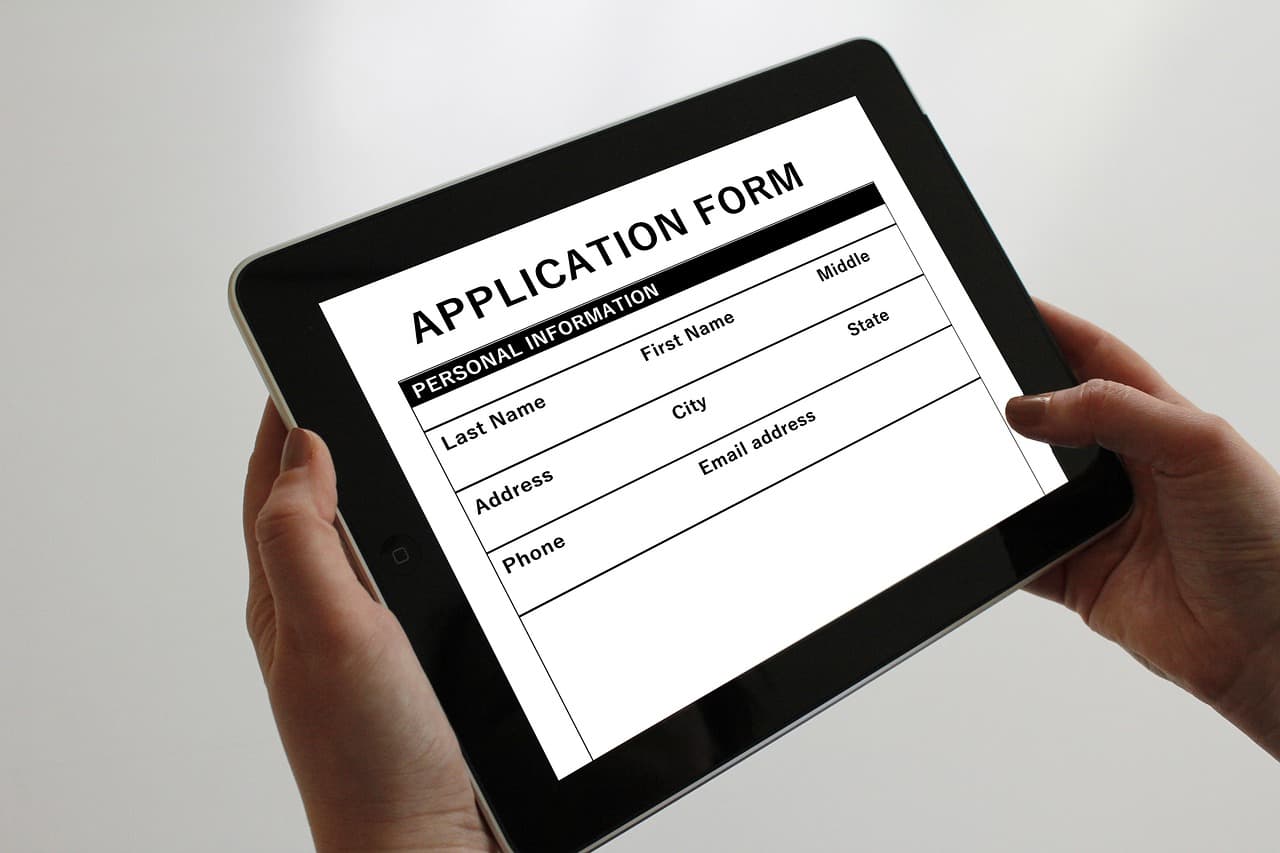
Nigeria’s electoral authority, the Independent National Electoral Commission (INEC), faces mounting scrutiny after AI-generated voter information and identity photos were found on a draft voter register. The incident has raised concerns about the credibility of the forthcoming presidential vote in January and risks further eroding public confidence in the country’s electoral process.
Background and stakes
With slightly more than ten weeks until the vote, President Bola Tinubu is campaigning for re-election against several familiar rivals, in a contest focused largely on economic and security issues. According to INEC, more than 103 million Nigerians registered to vote.
Those registration figures and INEC’s overall preparedness have been intensely examined since the discovery. Civil society groups, technology analysts and former INEC officials have demanded an external inquiry to discover how fabricated data appeared in the register. Critics warn that false entries will deepen skepticism about INEC’s commitment to a free and fair election and could depress turnout.
Turnout concerns
Low turnout has been a persistent problem in Nigerian elections: the 2023 vote recorded just a 27% turnout, the lowest since the country’s return to democratic rule in 1999. Observers fear that doubts over the accuracy of the voter roll will further discourage participation.
INEC response and criticism
INEC has said the contested register is a temporary document subject to review and that it will probe “possible technical or procedural lapses” that allowed AI intrusions. A senior official suggested rogue staff had tampered with the roll using their logins and said the commission “doesn’t know why” they would do so.
Analysts view these responses as inadequate given the potential impact. Kolawole Oluwadare, a senior official at Lagos-based rights group SERAP, told Semafor that the issue is beyond INEC’s in-house capacity and reiterated calls for an external audit.
Specific errors and proposed fixes
Martin Uwakwe, a US-based technology analyst who reviewed the draft register, identified additional errors beyond AI-generated entries: duplicate records and entries for deceased individuals. He suggested INEC could cross-check the voter data against Nigeria’s existing identity database to authenticate records and secure the register’s integrity. Uwakwe noted these steps are technically straightforward and questioned why such measures remain unresolved in 2026.
Risks on election day
Portable electronic voter-accreditation devices known as BVAS, which will be used on polling day, could be manipulated if bad actors gain back-end access — potentially disenfranchising targeted voters. “If the people with access are compromised, it becomes an issue,” Uwakwe said.
Historical context and consequences
The expectation that digital tools would make Nigerian elections markedly more credible did not materialize in 2023. BVAS devices experienced widespread malfunctions, and poor mobile connectivity coupled with other system failures delayed voter accreditation and result publication nationwide. Two days after voting ended, only about a third of results were visible on INEC’s website, fueling tensions. Legal challenges to Tinubu’s victory ultimately failed because courts ruled that INEC was not obliged to publish results electronically.
Experts warn that repeating these problems would have damaging long-term effects: when citizens believe elections are flawed or manipulated, trust in democratic institutions diminishes, which can lead to political apathy, protests and even violence, wrote Nigerian political analyst Agathus Chibuike Mgbeahuruike for the Center for Democracy and Development.
INEC on AI
INEC chair Joash Amupitan said the commission accepts the use of AI but cautioned that malicious actors could exploit the technology to impersonate officials or issue false announcements.
Next steps
Civil society organizations, technologists and former election officials are urging a transparent, independent audit to determine how the fake entries appeared, to assess the full register’s reliability and to recommend concrete fixes. Resolving the register’s problems is regarded as essential to ensuring the credibility of voting on election day.