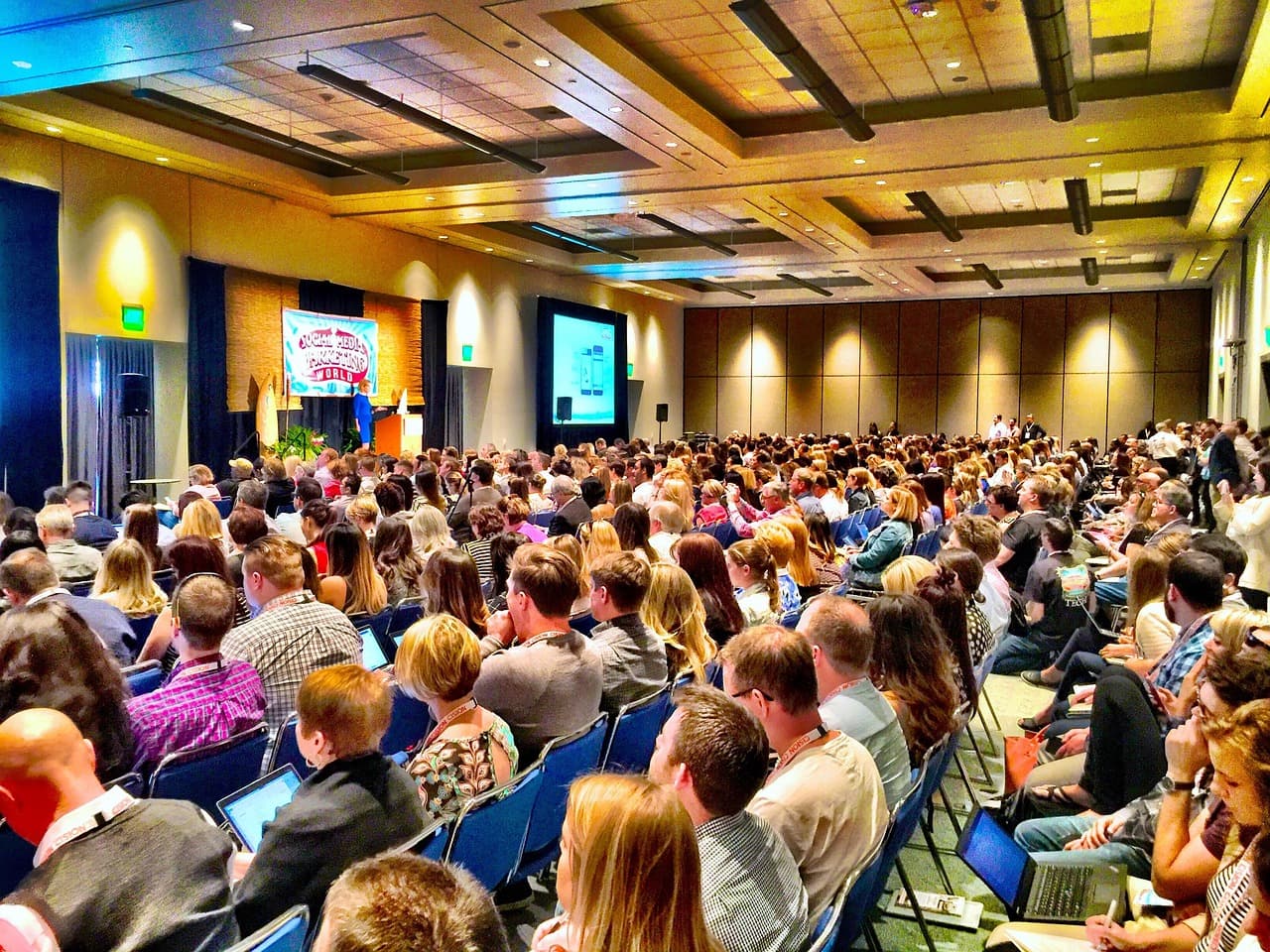
Eötvös Loránd University (ELTE) Faculty of Informatics will host a free week-long series of public lectures on the current state of artificial intelligence from 5 to 9 October 2026. The event, called "AI Week," aims to provide researchers and the wider public with a clear overview of AI research, recent developments, practical uses and societal implications.
Topics to be covered
Speakers will address subjects including:
- the present capabilities and technical limits of machine intelligence;
- the relationship between AI and scientific work, including whether AI can replace researchers;
- medical applications and how AI can support physicians and participate in clinical decision-making;
- human–machine interaction and how to tell whether we are speaking with a person or a machine;
- why people attribute emotions to machines;
- the world models that robots build and current technological limitations;
- potential roles for AI in military conflicts;
- national research and developments, including the Hungarian Racka system and how it is trained.
The program will combine technological and natural science perspectives with discussions of social and everyday-life impacts.
Timed with a historic milestone
The dates of the series mark the anniversary of the AlphaGo matches: from 5 to 9 October 2015 AlphaGo defeated Fan Hui, the Chinese-born 2-dan professional and European champion, by a 5–0 score. That series was a landmark in AI history as AlphaGo was the first program to beat a professional on a full 19×19 board without handicaps. Hungarian researchers also contributed: the UCT algorithm developed by Kocsis Levente and Szepesvári Csaba is cited as an important precursor to the Monte Carlo tree search techniques AlphaGo used. Kocsis Levente is listed among the speakers at AI Week.
Organizers' goals
The organizers intend the event to foster dialogue among different scientific disciplines and to make AI research and its challenges accessible to a broad audience. They plan for AI Week to become an annual event, with participation from domestic research institutes as well as economic and cultural actors.
Time, place and practical information
- Date and time: 5–9 October 2026, daily 17:00–19:00
- Venue: ELTE Lágymányos Campus, Déli tömb — 1117 Budapest, Pázmány Péter sétány 1/C
- Detailed programme: https://www.inf.elte.hu/ai-hete-az-elte-informatikai-karan
- Attendance is free and no registration is required.
The lecture series is supported by the Nemzeti Kulturális Alap.