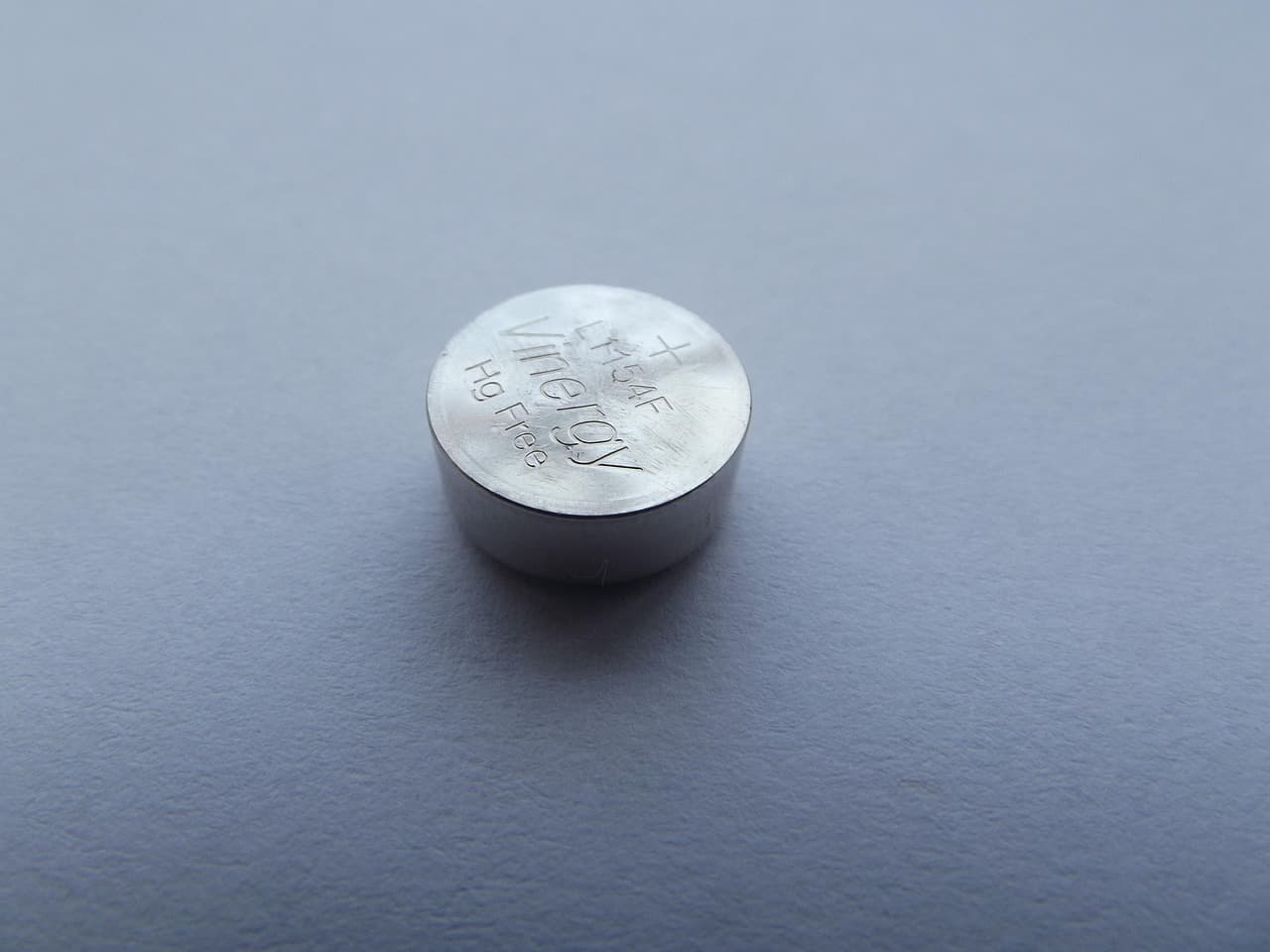
Spent lithium‑ion batteries are typically treated as hazardous waste, but they also contain valuable metals that could be extracted and reused. Researchers at SLAC National Accelerator Laboratory, part of the U.S. Department of Energy, are running a project that leverages artificial intelligence agents to identify and optimize methods for recovering those materials.
Target metals and their importance
The work focuses on recovering cobalt, nickel and manganese. These metals are important for battery manufacturing and other technologies, so more efficient recycling could strengthen supply chains and reduce dependence on primary mining.
How the AI agents are used
The team deploys multiple AI agents with specialized roles. Drawing on biochemical and geological knowledge, the agents propose extraction strategies, evaluate novel approaches, and learn from experimental outcomes to refine their recommendations.
Experimental cycles and project goals
Researchers will run several iterative experimental cycles in which AI‑generated strategies are tested in the lab. The project runs for nine months and aims to recover the selected metals at a minimum purity of 80 percent. The AI‑derived methods will also be compared with conventional extraction techniques currently used in industry to assess relative performance.
Why this matters
If AI‑driven approaches prove more effective or economical, they could reduce the volume of battery waste sent to landfills, improve access to critical raw materials, and lower the environmental impacts associated with mining. Results from the project could inform circular‑economy practices in energy storage and mobility sectors.
Summary
Over nine months, SLAC researchers will test whether coordinated AI agents can design lab‑scale processes capable of recovering cobalt, nickel and manganese from lithium‑ion batteries at 80 percent purity or better, and will benchmark those approaches against established industrial methods.