At the AI Engineer Code Summit in San Francisco, Brandon Thomas, founder and CEO of ArtCraft, outlined the company's mission to recreate popular creative applications as open-source software. ArtCraft has released 17 open-source versions of widely used tools so far, the most prominent being PhotoCraft — a Photoshop-like application written from scratch in Rust.
Why the project matters
Thomas framed the effort as a response to the centralization of the web during the Web 2.0 era. He argued that the early internet was more experimental and allowed users to build freely, whereas modern platforms and distribution channels are increasingly gatekept. That critique — coupled with Thomas’s own frustrations with commercial licensing — motivated ArtCraft’s ‘‘build everything open source’’ ethos.
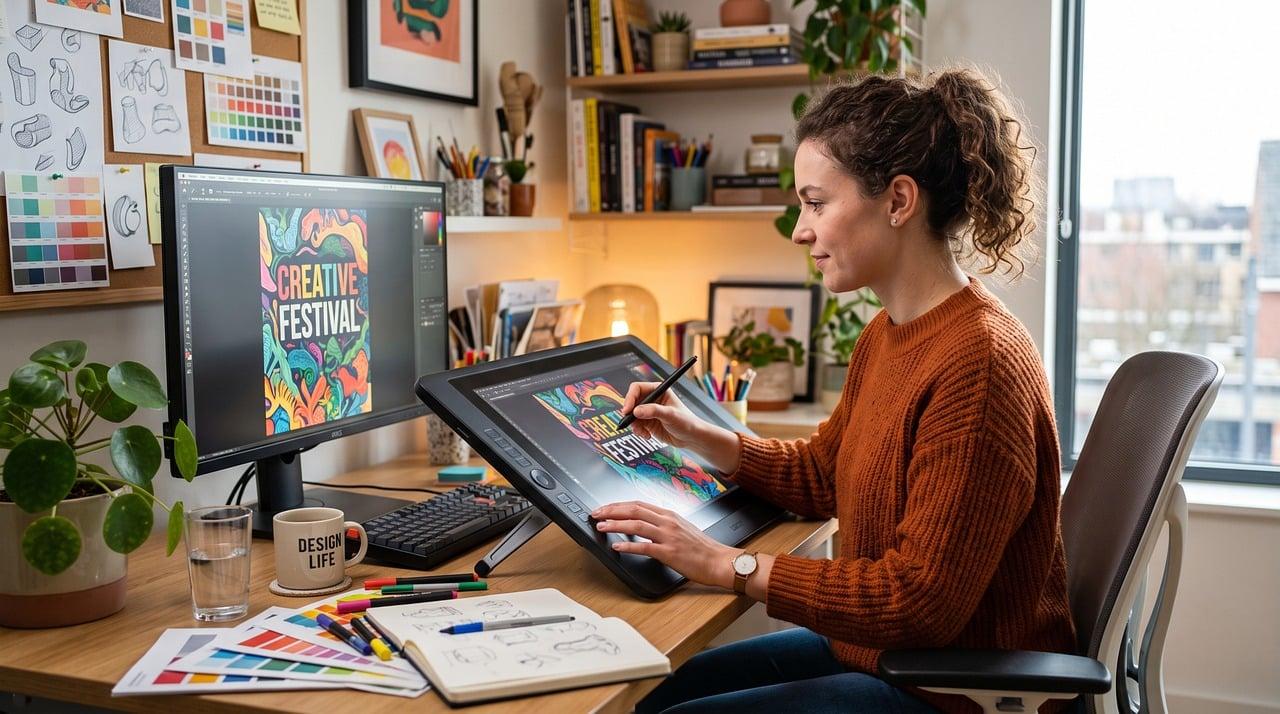
Beyond PhotoCraft, ArtCraft has produced analogues of Adobe apps, a Figma clone, a Microsoft Word-like editor named WordCraft, and distributes community projects such as SolidCraft (a community-led CAD application) via its launcher. Thomas emphasized that the company intends its offerings to be fully open — including desktop clients and underlying infrastructure.
How PhotoCraft was built and its current status
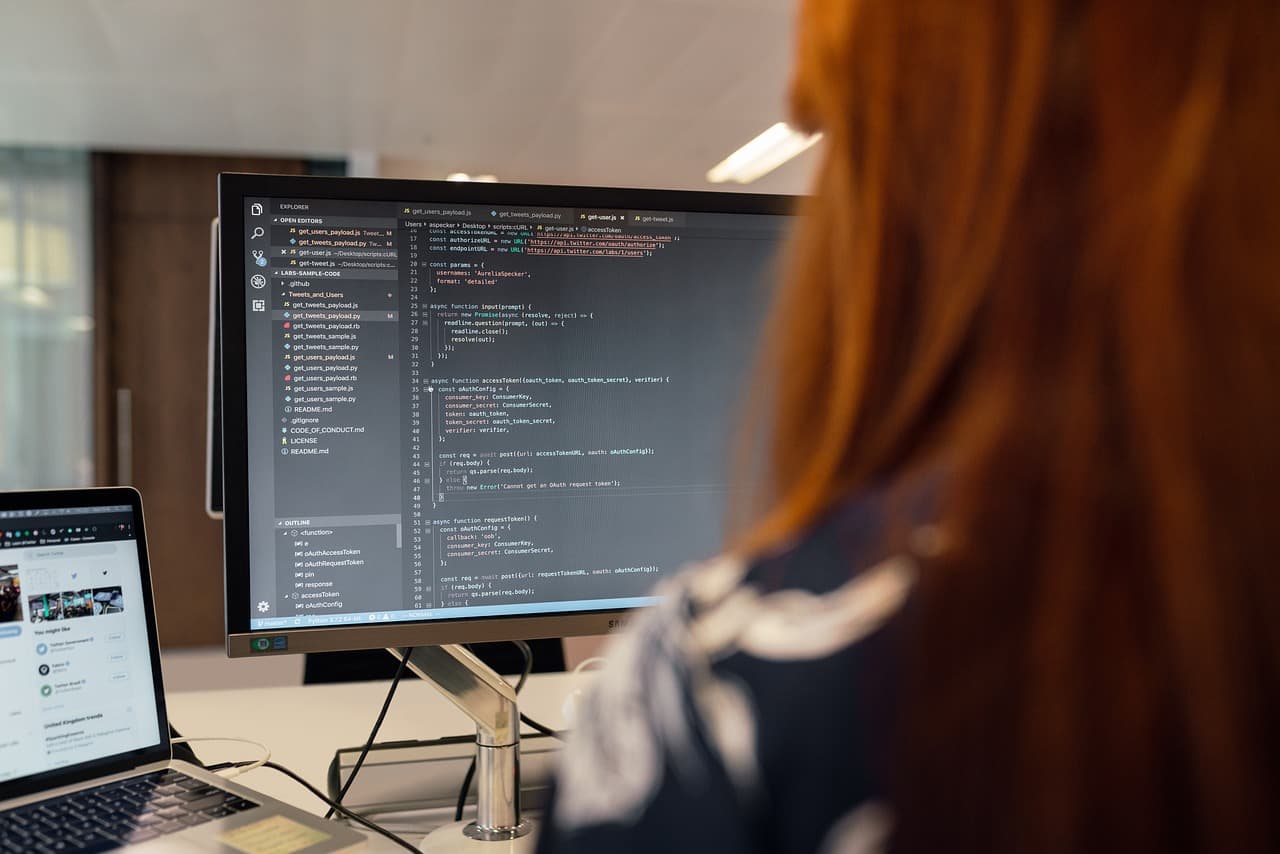
To create PhotoCraft, ArtCraft fed an AI model with a detailed prompt describing Photoshop’s tools, data structures and file importers, then issued a larger prompt to build out the application. According to Thomas, within 24 hours they had ‘‘a pretty good approximation’’ of Photoshop.
Project metrics published on the project’s GitHub indicate roughly 76% parity for feature breadth and about 46% parity for professional readiness. Thomas said internally they’ve just passed roughly 60% parity and are aiming to get as close to 100% as possible. Initially the priority is reproducing the Adobe experience — interface and ‘‘look and feel’’ — to match artists’ existing muscle memory; later the team plans to develop new apps with ‘‘more agentic’’ interfaces.
Community traction and usage numbers
PhotoCraft and related ArtCraft apps have attracted significant attention. Thomas said the open-source community around the projects has grown to about 4,000 developers. ArtCraft reports roughly 1.7 million downloads per day across its apps, with that rate still accelerating. In addition to the 17 official apps, approximately 300 community-developed apps are in progress.
Technical choices, benefits and challenges
Thomas singled out Rust as a critical factor in performance: he claimed PhotoCraft opens about ten times faster than Photoshop. He argued native tooling is important for high-quality creative applications compared with prior Electron-based attempts.
The project has faced practical obstacles: issues around permissions, GitHub interactions, scaling and continuous integration (CI). Thomas said CI was ‘‘falling over’’ so they have been spinning up their own systems and sourcing RAM via co-located servers. The team has also found an operational balance about what to let agents do (desktop apps, games, largely immutable artifacts) and what to reserve for human engineers (backend work, schema migrations, API design).
ArtCraft also announced AutoCraft, a completely autonomous software factory that they plan to open source.
A broader vision
Thomas concluded by urging a large-scale shift: open-sourcing applications, infrastructure, protocols and models. If current growth continues, ArtCraft’s impact could be substantial. Observers note that beyond agent-driven development, the revival of a human contributor community is a key element echoing the early web’s strengths: collaborative scale.
Summary
ArtCraft seeks to re-create closed creative applications as Rust-based, open-source alternatives, with PhotoCraft as the leading example. The effort has drawn rapid user and developer interest and reports high download volumes, while still confronting technical and readiness gaps as it pursues a wider vision of open infrastructure and autonomous tooling.