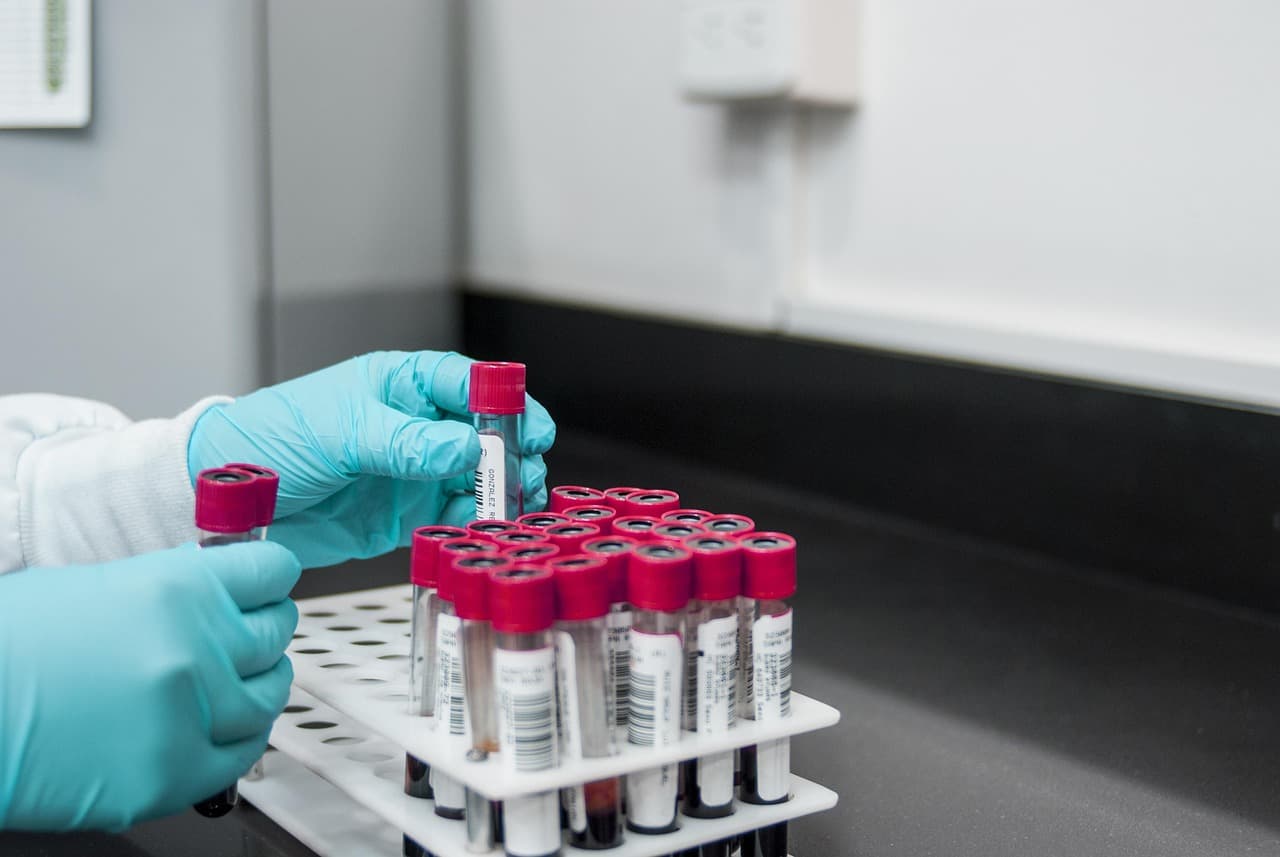
Anthropic, the US-based artificial intelligence developer, has established a physical wet laboratory for conducting biological experiments in the San Francisco Bay Area, Reuters reports. Two sources familiar with the matter and Eric Kauderer-Abrams, head of Anthropic’s life sciences division, confirmed the move.
The company announced in July that it would begin developing its own drugs; among major AI developers, Anthropic was one of the first to say publicly that it intends not only to build software tools for pharmaceutical partners but also to pursue in-house therapeutics.
Kauderer-Abrams said that, in biology, the ultimate test will remain real laboratory work for some time. He added that Anthropic’s approach mirrors that of many biotechnology firms: some experiments are done in-house while others are outsourced or carried out with external partners. A company spokesperson noted the lab is not dedicated solely to drug research but declined to provide additional details.
Anthropic says it plans to target diseases it believes the pharmaceutical industry neglects. A company employee told Reuters this focus is also intended to help maintain employee and public confidence that AI can deliver benefits that justify risks such as job displacement or other harms.
Automation with Claude, and human oversight
The startup also aims for its Claude AI system to control robots capable of performing scientific experiments with minimal human intervention. The company emphasizes that human supervision and involvement are essential for safety.
Internal concerns and public warnings about AI risk
Anthropic has attracted public attention recently because several current and former employees have raised alarms about the dangers of rapid AI development. Jacob Coxon resigned, saying AI companies are not acting responsibly and are rushing toward self-improving superintelligence. Evan Hubinger, a former senior Anthropic employee, has stated he assesses the probability of the technology causing human extinction within the next decade at more than 10 percent. Following these developments, CEO Dario Amodei called on companies in the AI field to slow the pace of capability improvements.
Anthropic also released a report warning that malicious actors — including criminals, state-backed groups, spyware firms, scientists and propagandists — have attempted to misuse its high-performance models for designing rockets and bombs, creating lethal pathogens, and surveilling or influencing targets. The company regards biological misuse as among the gravest risks.
Investments, acquisition and research priorities
This summer Anthropic launched Claude Science, and it added Vas Narasimhan, CEO of Novartis, to its board of directors. The company acquired the startup Coefficient Bio in exchange for roughly $400 million in stock; Anthropic confirmed the acquisition and said it aims to build tools that support drug development.
Kauderer-Abrams said life sciences are already one of Anthropic’s largest areas of investment by headcount and resources. He believes the company’s technology could accelerate discovery of bispecific and trispecific antibodies — complex molecules that can bind multiple sites on a targeted protein or cell or engage more than one target simultaneously.
It remains unclear which specific diseases Anthropic will prioritize or what concrete results it has achieved so far in the laboratory. Kauderer-Abrams said the company is not currently running clinical trials and is focusing on problems that the industry may overlook.
Overall, establishing an in-house wet lab signals Anthropic’s intent to supplement its AI models with direct biological experience, while stressing the importance of safety and human oversight in experimental work.