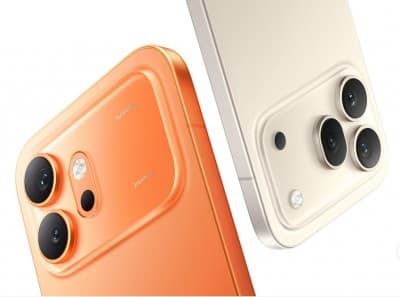
For years the conventional view held that smartphone battery technology had stagnated and that lithium-ion cells were the limiting factor. The reality is more nuanced: recent improvements are happening in less visible but strategically important areas where hardware and software work together to shape the user experience.
Beyond raw capacity
In the past, longer runtime usually meant installing a larger battery, which made phones thicker and heavier. Today the emphasis is on efficiency and longevity: it is no longer enough to show bigger numbers in specs — how energy is used in real-world scenarios matters more. Dr. Allen Lu, HONOR’s lead battery R&D engineer, says modern development starts from detailed analysis of user habits. HONOR’s 600 series, for example, is designed around real creator workflows — video recording, editing, and live streaming — not just laboratory conditions.
How intelligent control and BMS work
A central component of modern phones is the Battery Management System (BMS). The BMS introduced in the HONOR 600 series uses advanced algorithms to monitor cell condition in real time and dynamically optimize power distribution. This makes available capacity more efficient, lowers cell stress, and slows down natural degradation.
When users run demanding tasks such as video editing or live broadcasts, the system directs resources to processes that provide the most value while optimizing background tasks. The result is smoother, uninterrupted operation even under heavy multitasking.
Lifetime becomes the new metric
One tangible outcome of these developments is longer battery lifetime. According to the article, some next-generation solutions can withstand up to 1,600 charge cycles without significant capacity loss — roughly equivalent to five years of heavy daily use. That shifts the role of the battery from a simple energy store to a complex hardware–software system that adapts to user behavior and meets the requirements of modern mobile workflows.
Why it matters to users
Intelligent power management running in the background delivers longer-lasting performance and more reliable operation during intensive use. Users experience less rapid performance degradation, and devices can better support creators and heavy media consumers without requiring physically larger batteries.
Overall, the future of smartphone batteries is less about a chemical breakthrough in cells and more about coordinated intelligent control systems such as BMS and AI.