The International Energy Agency (IEA) warns that rapid expansion of artificial intelligence (AI)‑focused data centers could raise global data‑center electricity consumption from 485 terawatt‑hours (TWh) in 2025 to about 950 TWh by 2030, equivalent to roughly 3% of total global electricity demand. The IEA notes AI‑centric data centers could grow even faster, potentially tripling their electricity use by the end of the decade.
Efficiency gains vs. more energy‑intensive applications
AI energy efficiency has improved at an unprecedented pace: software and hardware advances have sharply reduced energy per task in recent years. At the same time, new, far more energy‑hungry applications—such as video generation—have emerged, with some tasks consuming hundreds to thousands of times more energy than simple text generation. Capacity specifically devoted to AI data centers has more than tripled over the past 18 months.
Investment surge and comparison with oil and gas spending
According to the IEA, major tech companies’ capital spending on data centers is expected to rise by 75% in 2026 from the more than $400 billion level reported in 2025, and this investment may exceed spending on oil and gas production. Because these projects have grown too large to be funded solely from corporate balance sheets, large‑scale financing from capital markets will be critical.
Short‑term brakes: supply‑chain bottlenecks and permitting challenges
The IEA highlights that bottlenecks across energy supply chains, chip manufacturing and the IT sector are constraining the pace of new projects. Permitting and planning systems are under strain from the volume of data‑center project applications, while electrification trends are increasing grid load. Trade tensions and geopolitical conflicts in the Middle East have worsened access to some key components and raw materials, affecting investment decisions.
Demand signals and user growth
While comprehensive global statistics on AI usage depth are lacking, leading model providers reported a threefold increase in active users and a fivefold rise in revenues by 2025, indicating rapid demand growth. Reflecting this, the IEA says global data‑center electricity demand rose 17% in 2025, and electricity use in AI‑focused data centers jumped 50%.
Grid impacts and onsite gas generation
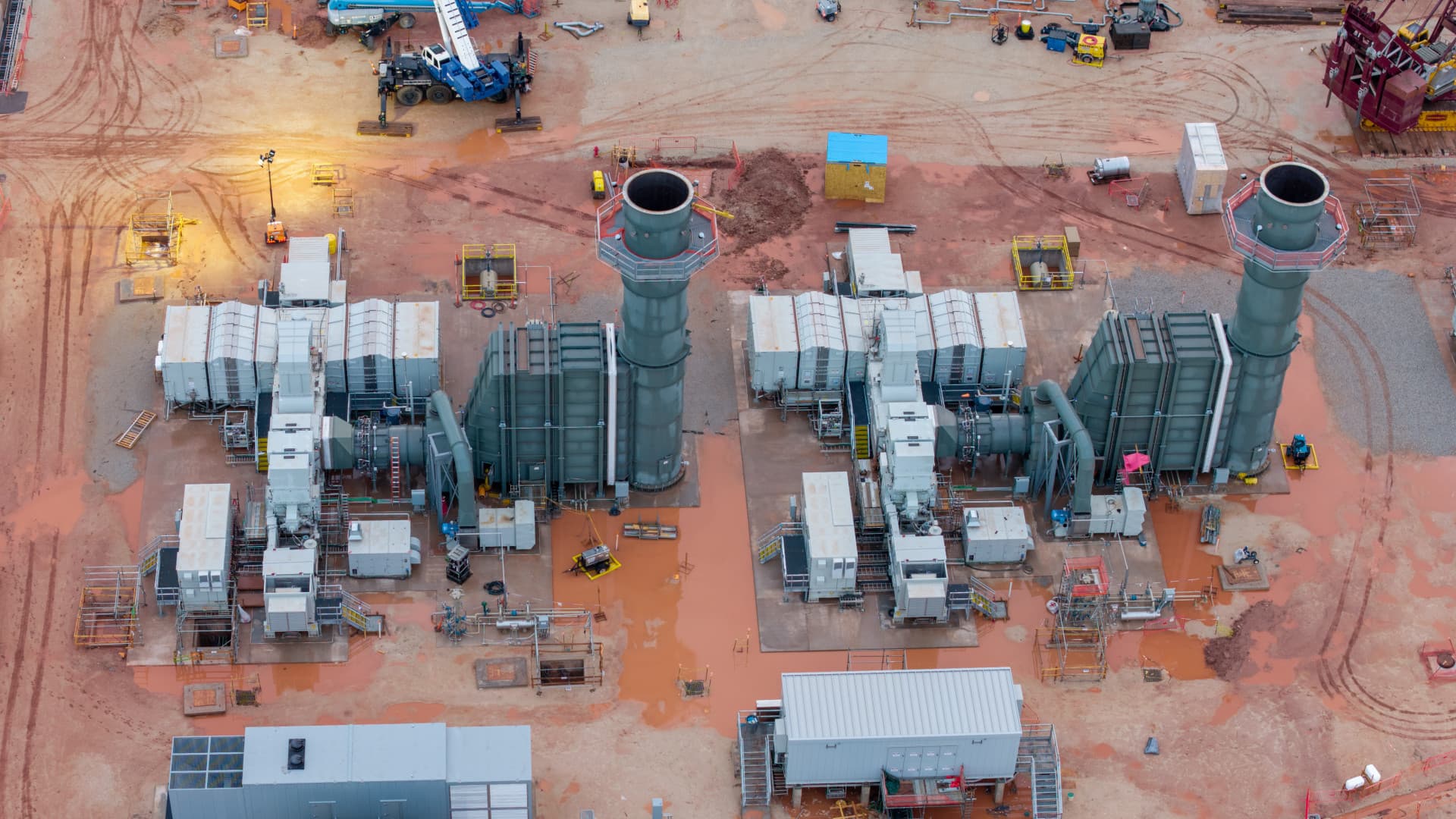
Training and running AI models produces large and rapid power swings, so the IEA emphasizes the importance of energy storage for reliable supply. In the United States, some new data centers rely partly on onsite gas generators because of limited grid capacity and slow grid connections. However, demand for gas turbines now far outstrips supply, driving up equipment costs and calling into question whether onsite gas plants actually speed up data‑center deployment.
Supply‑chain exposure and technological dependencies
Rising AI energy demand stresses key power technologies—such as power electronics and transformers—whose supply is concentrated among a small number of manufacturers, notably in China. The IEA recommends diversifying and strengthening supply chains for the critical technologies that data centers require.
Economic impacts and longer‑term outlook
The IEA notes that AI‑driven GDP growth will not automatically translate into proportionally higher energy demand, because AI adoption is concentrated in knowledge‑intensive services and high‑income countries. Its estimates indicate that, depending on the extent of AI diffusion, global energy demand in 2035 could be 1–4% higher than it would be without AI‑driven growth.
Conclusion
The IEA’s analysis underscores that while AI‑related data‑center expansion could substantially raise electricity demand, the actual trajectory will be shaped by regulation, financing, supply‑chain resilience and grid capacity. Policymakers and investors must address these bottlenecks to ensure the growing data‑center fleet can be built and operated reliably and sustainably.