At the Humán Versenyképességi Executive Business Summit 2026, economist Dani Rodrik said that the primary task of economic policy is to create work that offers security and dignity. He argued this is essential for social cohesion and overall well-being.
In his global assessment, Rodrik noted that Europe is torn between concern over China’s advance and admiration for the United States’ technological dominance. He warned that neither the American nor the Chinese model can simply be copied: the U.S. example, despite technological strengths, has produced severe wealth inequalities and growing social and political polarization, while China’s successes rely on its authoritarian, party-led system.
Rodrik suggested that Europe can chart its own path by combining market mechanisms with deliberate industrial and social policies to build a more inclusive model. Although he described the institutions of the European Union as currently overcentralised and lacking a unified vision, he argued this situation also creates space for smaller member states, including Hungary, to experiment with innovative economic policies.
Job quality: more than income
Rodrik argued that classical economic theories too often treat individuals merely as consumers; in reality, work is central to personal welfare, dignity, social recognition and community participation. Losing employment therefore carries not only financial risk but also serious social consequences, potentially contributing to higher crime rates, substance dependencies, family breakdowns and the strengthening of political extremes.
According to Rodrik, the quality of a job is defined not only by pay but also by security, fair treatment, opportunities for advancement and worker autonomy. Without these elements, labour markets fracture and the gap widens between advantaged groups and those pushed to the margins. He said this divide is visible in the Hungarian labour market as well: jobs in the capital commonly offer higher incomes and better welfare outcomes, while rural opportunities are generally weaker.
Structural shift in employment: from manufacturing to services
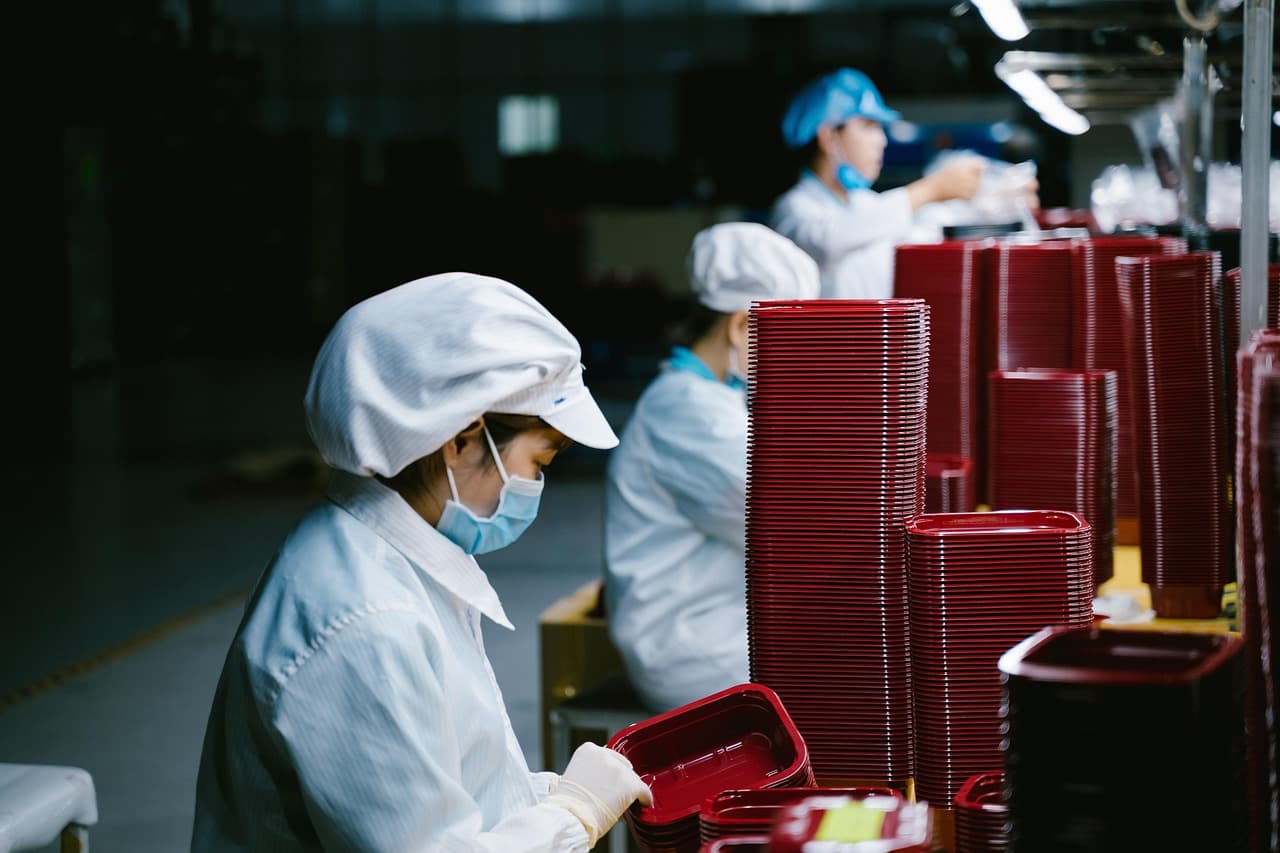
Rodrik pointed to a clear global trend of declining traditional industrial employment. Due to technological progress, automation and changes in global value chains, future job creation will no longer be driven primarily by manufacturing and export-oriented production. He noted that even in industrial giants like China, factory employment has been shrinking for more than a decade despite rising output.
The majority of new jobs, he said, will come from the service sector — for example in retail, health and social care, hospitality, and administrative roles. These positions often do not require tertiary education but rely more on basic skills and interpersonal, so-called "soft" skills.
Because this structural change cannot be effectively managed by traditional top-down industrial policies, Rodrik recommended new bottom-up strategies focused on small and medium-sized enterprises and based on ongoing dialogue between the state, market actors and workers.
Use AI for workers, not to replace them
Rodrik also stressed the crucial role of responsibly integrating artificial intelligence into the world of work. He pointed out that companies currently often use AI to replace labour, and workers do not always share in the productivity gains.
With the right public incentives and regulatory environment, he argued, AI can be democratised: it can enable lower-skilled workers, by augmenting their capabilities, to take on more complex tasks that previously required higher qualifications. Rodrik concluded that technological progress should serve society as a whole, ensuring it contributes to an increase in quality jobs and a reduction in social disparities.
In closing, Rodrik urged Europe to develop a context-sensitive economic policy path that protects workers, fosters innovation and sustains social cohesion.