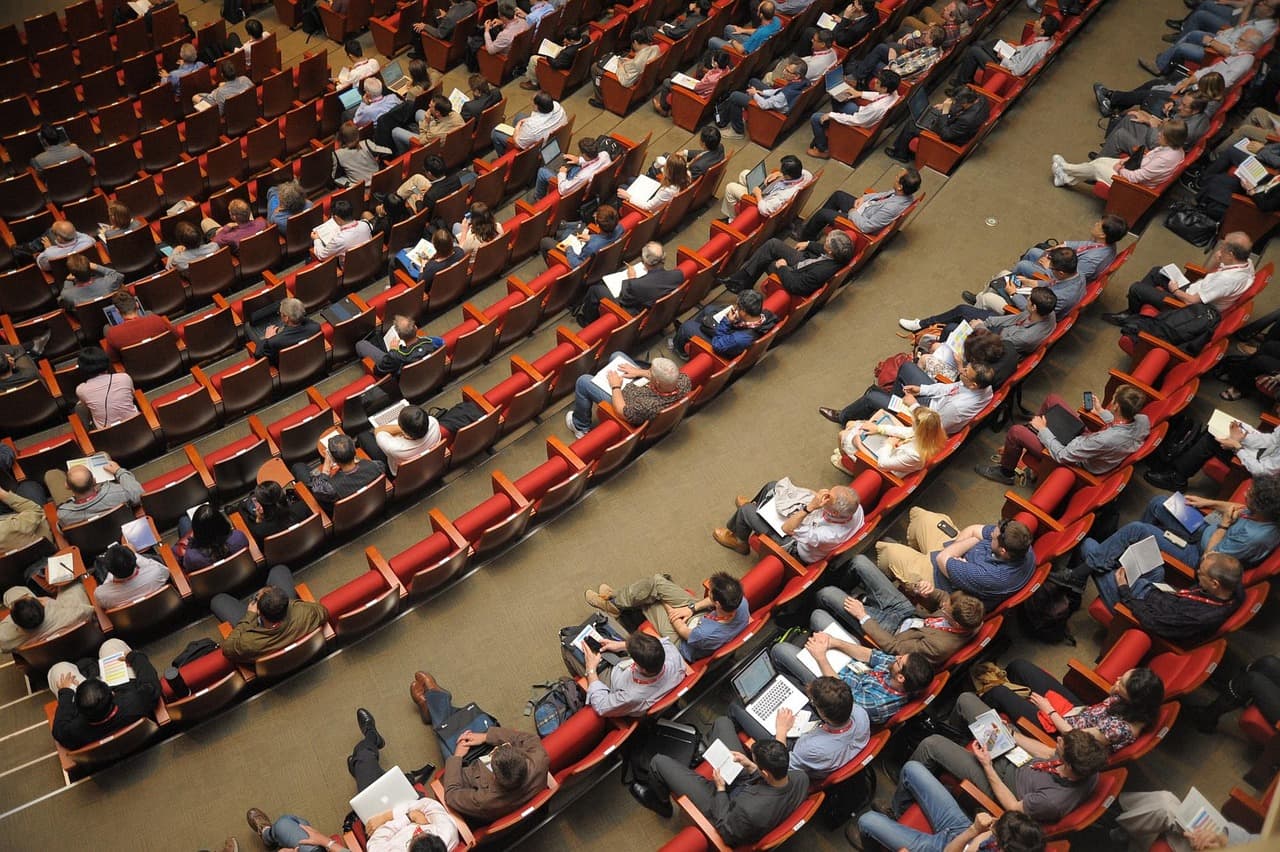
On Saturday, 17 October, at the International Monetary Fund (IMF) meeting in Bangkok, a speaker delivered the Per Jacobsson lecture arguing that artificial intelligence is beginning to operate at the frontier of human science, sometimes autonomously. The audience included economists, bankers, and policymakers.
The speaker’s central contention was that, despite room for debate over particulars, clear signs indicate we are in the early stages of a technological singularity. From this platform they sought to warn the assembled experts that significant and rapid changes should be expected in the near future.
Core message: foresight and restraint
The address focused primarily on how humanity can share in the benefits of AI if governments, firms and societies exercise proper foresight and restraint. The speaker emphasized that these are not just technical questions but political and economic decisions that will shape which segments of society benefit.
They also said they plan to elaborate on these stakes and the risks of the singularity in subsequent publications, notably in their weekly newsletter intended to provide ongoing updates on developments in AI.
Personal responsibility and roles
Throughout the talk the speaker repeatedly affirmed their personal responsibility. They described their own role in three ways: as a narrator of what is happening in AI; as a principal agent influencing events in AI; and as a translator who bridges multiple communities by interpreting technical developments for policy and public audiences.
The speaker stated a commitment to truthfulness and to being clear about their own culpability, calling this an ongoing, forever work-in-progress.
Commitment to public engagement
The speaker thanked readers and listeners, noting that the lecture drew heavily from their newsletter, which aims to supply week-by-week information on AI. They underscored the importance of the audience and readership in sustaining policy and societal conversations about how to manage the coming changes.
In sum, the Per Jacobsson lecture urged economic decision-makers to take seriously the rapid changes AI may bring, to practice foresight and restraint, and to consider the distributive consequences of technological progress.