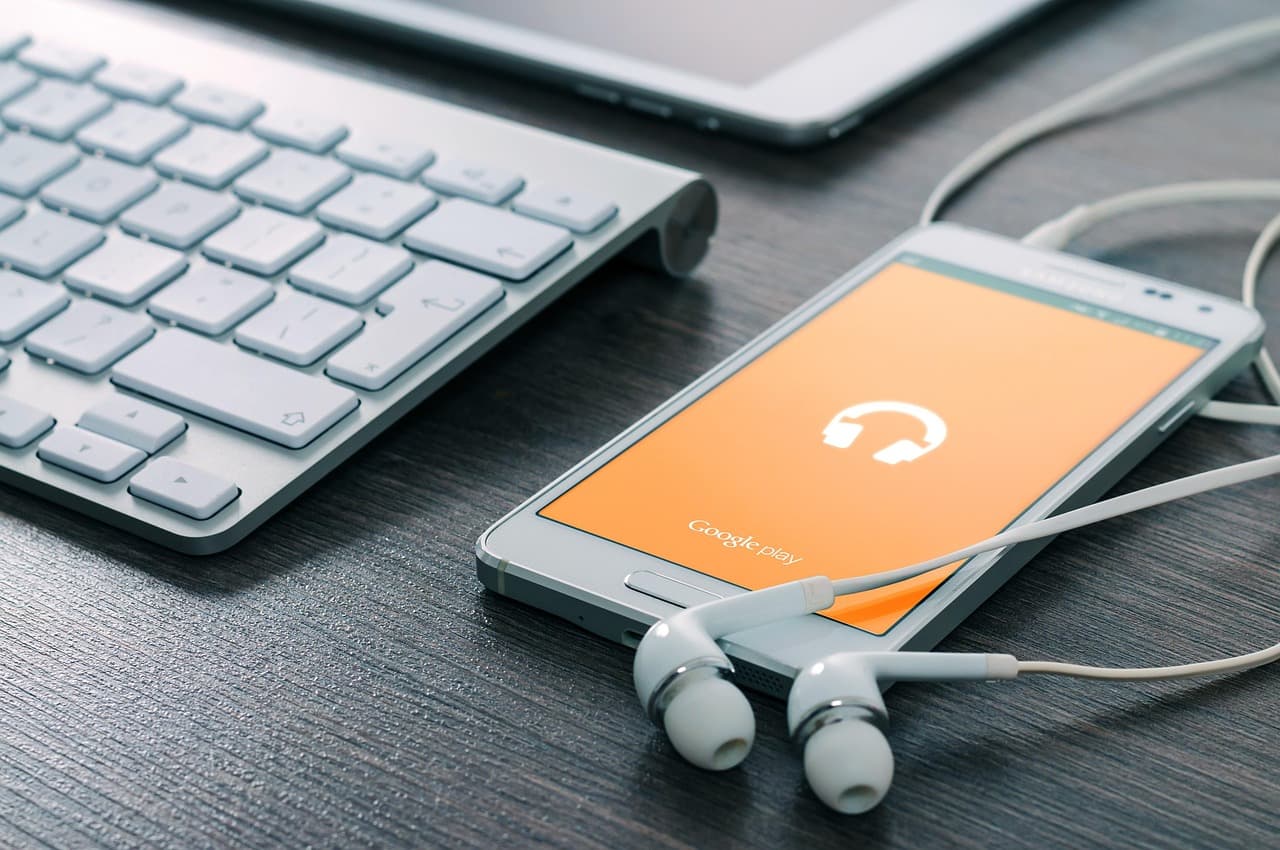
According to the Wall Street Journal, SpaceX has shown investors in recent months a prototype of a handheld device built around artificial intelligence. The report says the device would be thinner than an iPhone, run its own operating system, and directly integrate technology from Elon Musk’s AI company, xAI.
Development stage
The project is at an early stage. SpaceX told investors that there is no guarantee the prototype will ever become a commercial product. The timing of the demo coincided with the company’s preparations for a historically significant public offering.
Technical approach
The Wall Street Journal reports the prototype would be based on Qualcomm Snapdragon chips and form part of a custom hardware platform intended to free Musk from reliance on the Apple and Google ecosystems.
Purpose and how it differs from a phone
The initiative reflects Musk’s “everything app” vision: a single platform combining communication, payments, shopping, transportation and AI services. The demonstrated device is therefore positioned not merely as another smartphone alternative but as a hardware foundation for a broader ecosystem.
Musk has previously criticized the operation of Apple’s App Store and has floated the idea of producing his own phone. In October last year he said, “I would rather die than make a phone. But if we have to, we will make a phone.” In February this year he publicly denied that his companies were developing a phone‑like device.
Industry context
The SpaceX project is part of a wider industry push toward dedicated AI devices. OpenAI is also reported to be working on its own family of AI devices in collaboration with former Apple designer Jony Ive, and in China ByteDance has already released an AI‑driven smartphone. Models that consolidate services in one app, such as WeChat and Alipay in Asia, have proven viable.
Why it matters
The key question is whether the traditional smartphone will remain the defining device of the next decade in the AI era, or whether successors with deeper AI integration and proprietary hardware‑software ecosystems will emerge. While SpaceX’s prototype could contribute to that shift if it becomes a product, its outcome remains uncertain.