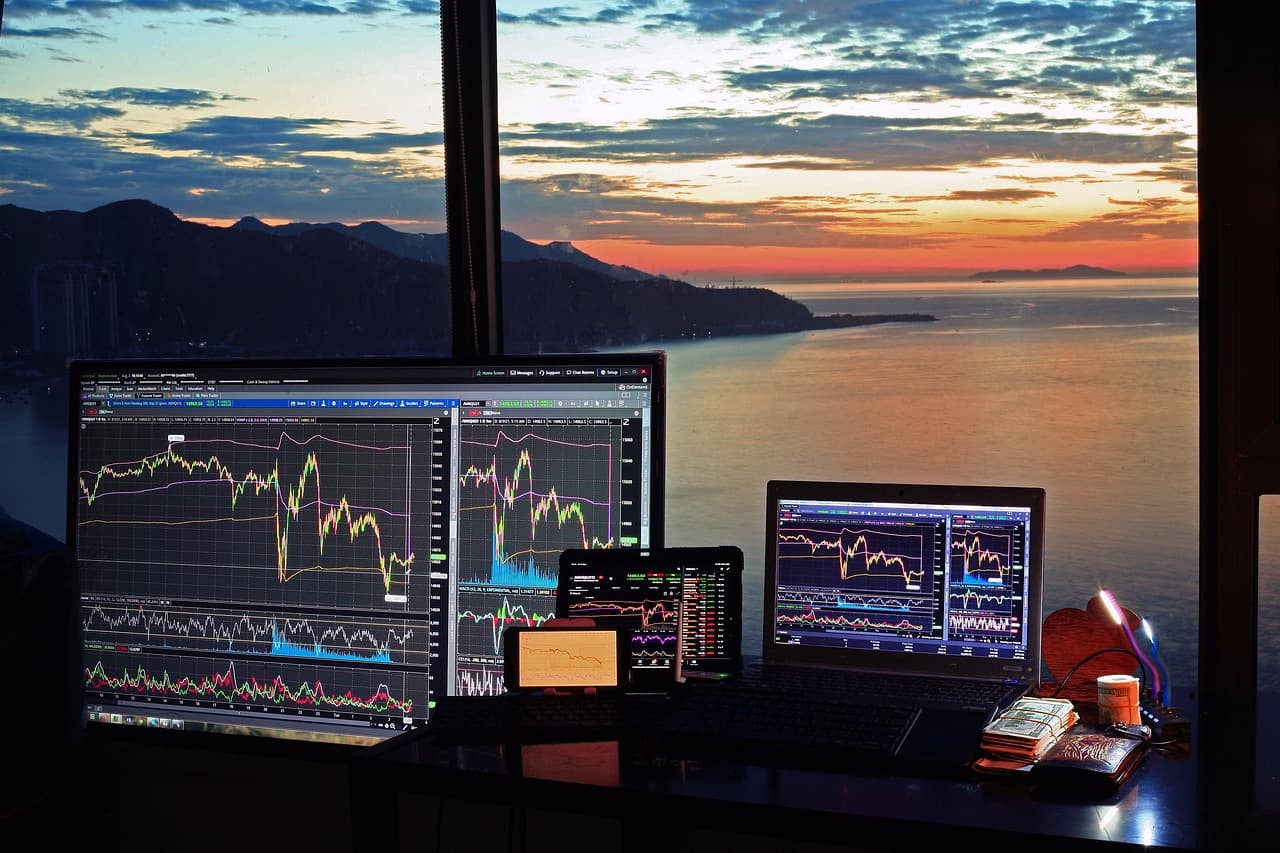
Nvidia shares rose 11.6% in the week ended August 7, 2026 — the company’s biggest weekly jump in over a year. Over five trading days the chipmaker’s market value increased by about $562 billion (roughly HUF 178,700 billion), a single-week record for Nvidia according to Dow Jones Market Data.
The stock climbed 2.3% on Friday alone; the last time Nvidia had a better week was May 16, 2025, when the shares gained 16.1% for the week.
Two main drivers: Musk’s endorsement and big tech capex
Two factors dominated the rally. One was linked to SpaceX’s earnings-related conference call, during which Elon Musk called Nvidia’s upcoming Vera Rubin system the best AI computer and said SpaceX intends to build its AI infrastructure exclusively on Nvidia technology. According to MarketWatch’s reporting, the agreement between SpaceX and Nvidia could allow SpaceX to access a “very significant” share of Nvidia’s GPUs by 2027.
The other driver was upward revisions to capital spending plans at major technology companies, including Google, Amazon and Meta, with a significant portion of that spending directed to data centres and AI infrastructure. Because Nvidia GPUs remain central to many of those investments, higher capex directly supports revenue expectations for the chipmaker.
SpaceX demand and supply constraints
SpaceX’s own targets are large: the company plans to deploy nearly 10 gigawatts of compute capacity by 2027. Such a customer is not just another big order for Nvidia — it could intensify competition for the most advanced GPUs at a time when demand for AI compute is growing faster than the supply chain can expand capacity.
Stefan Slowinski, an analyst at BNP Paribas, warned that this dynamic could become a key bottleneck for AI infrastructure development over the next 12–18 months, simply because there may not be enough Nvidia processors available. He added that any shortage would favour cloud providers with close strategic ties to Nvidia; in this regard CoreWeave, Nebius and Oracle could be comparatively well positioned, though they would also face risks if Nvidia redirects capacity toward SpaceX’s rapid growth.
Market expectations and risks
The stock’s rise began before the SpaceX announcement, driven in part by higher AI capex plans from large cloud providers. Google’s negative free cash flow in the first quarter unsettled some investors, while Microsoft’s more measured investment strategy combined with accelerating cloud revenue reinforced hopes that large AI-related expenditures could translate into significant future revenues.
Nvidia’s next earnings report is due later in August, and some investors may already be positioning ahead of that release. That increases the risk: expectations for the stock are very high again, so even a strong quarter that falls short of market hopes could trigger a pullback.
Longer-term outlook
Supply conditions may still favour Nvidia. SpaceX’s estimates suggest memory industry production could expand by roughly 20% annually, while AI-related demand might grow at up to 200% per year. If that order-of-magnitude gap holds, Slowinski says scarcity of AI compute capacity may persist into 2027, supporting a favourable pricing environment for Nvidia over a longer horizon.
In sum, the week’s rally was driven both by Elon Musk’s public endorsement and by increased AI spending from major technology firms, while potential supply constraints could prolong Nvidia’s revenue and pricing advantages — even as elevated market expectations raise the risk of near-term volatility.