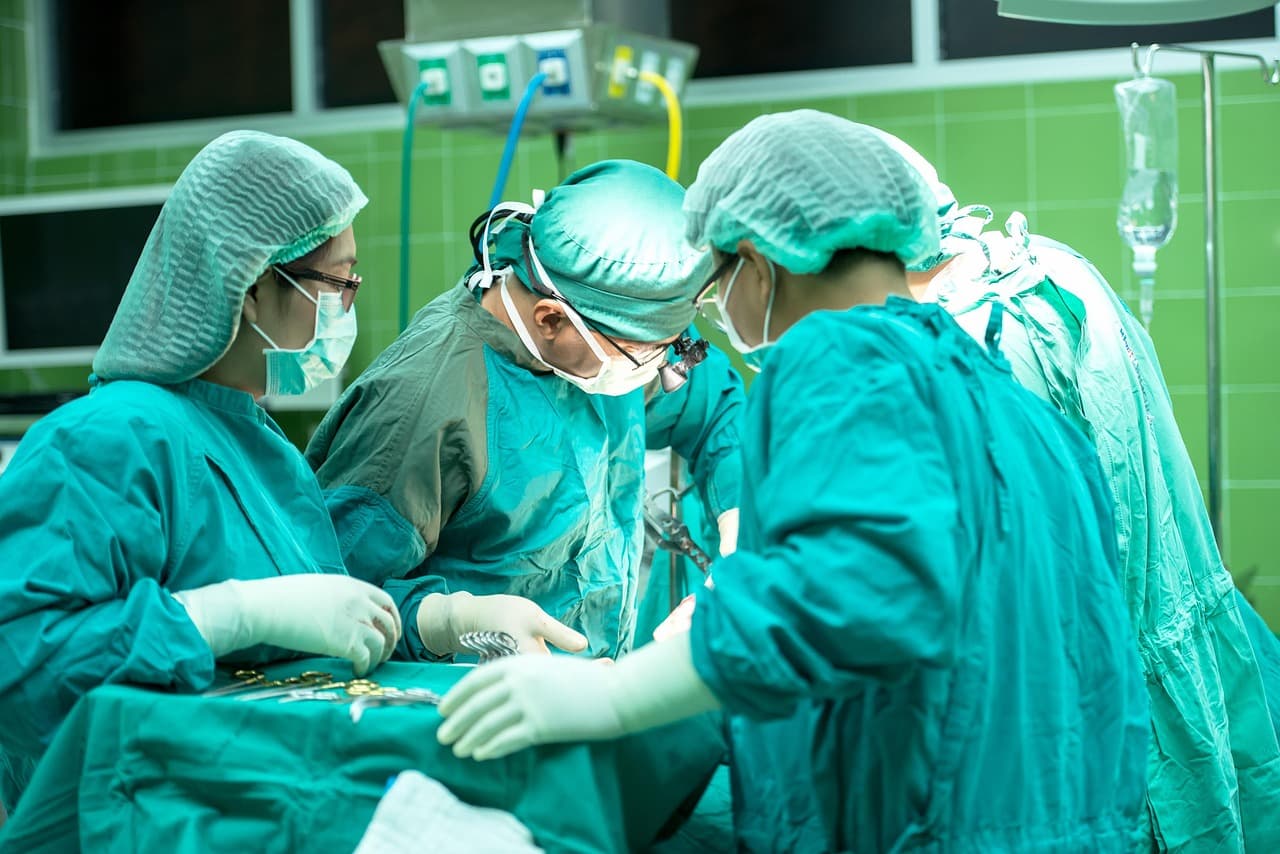
According to The Guardian, neurosurgeons in London used artificial intelligence for the first time during a live patient brain tumour removal. The operation took place in May at the National Hospital for Neurology and Neurosurgery (NHNN).
The patient was a 48-year-old man with an 11 mm tumour located near the pituitary gland. The procedure preserved the patient’s vision: he reported that upon waking he could already see the room clearly, and within a week he was walking unaided without glasses or a stick. He has since returned to work. The hospital withheld publication of the details until the patient had recovered.
Crucially, the AI did not perform the surgery autonomously. The surgical team remained in control throughout; the AI provided real-time analysis of the camera feed. The system highlighted important anatomical structures — such as nerves and blood vessels — with color-coding to help surgeons avoid those critical areas while removing the tumour.
The underlying model was trained on several hundred surgical videos, exposing it to a wide variety of examples that surgeons might encounter only over many years of practice. The device had been used previously within the hospital for research, but this was the first time it was deployed on a live patient.
The London operation represents a milestone in the integration of AI and surgery, showing how machine vision can offer intraoperative visual guidance to improve surgical precision while leaving final decision-making and control with the clinical team.
When and why this matters
Because the operation was performed in May and the patient recovered well, the hospital released details afterward. AI tools like this aim to aid surgeons' anatomical orientation in delicate areas such as around the pituitary gland, where damage to nerves or vessels can have serious consequences.
Reporting notes that such technological assistance can strengthen surgical capability and potentially improve patient outcomes, provided that human surgeons retain responsibility for operative decisions and control.