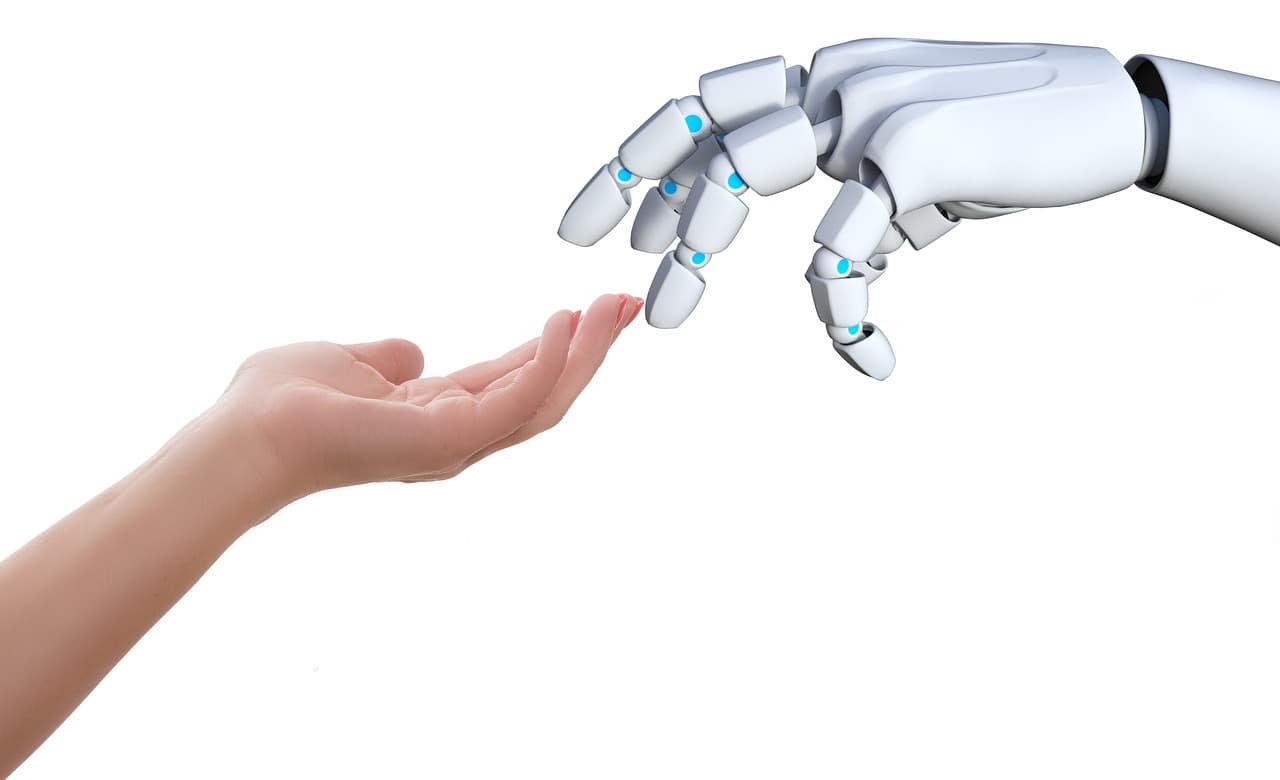
The Intelligent Robotics FAIR 2026, organised by the Faculty of Informatics at Eötvös Loránd University (ELTE) in collaboration with the Bosch group in Hungary, will take place on June 18–20, 2026 at ELTE and the Bosch Budapest Innovation Campus. The three‑day event aims to explore the social and industrial integration of intelligent robotic systems, with particular emphasis on human‑centred robotics and embodied AI.
Programme, participants and public events
The FAIR will feature presentations, expert panels and live demonstrations from international and domestic universities, research institutes and technology companies. The programme includes a conference, a robotics exhibition and a family day; the closing day is the Robotrandi Family Day 2026, offering demonstrations, workshops and popular science talks for the public. Robotrandi will host the finals of the Robotics 4 Good Hungary international robotics competition and the ELTE‑Qubit robot card‑game developer contest.
ELTE–Bosch collaboration and research directions
Bosch is active in advancing robotics both in Hungary and globally. The ELTE‑Bosch Department of Artificial Intelligence has been operating at the ELTE Faculty of Informatics for six years, and several of its research projects will be presented at the FAIR. Joint ELTE‑Bosch developments cover autonomous vehicles, machine vision, drone technology, neuromorphic systems and industrial applications of robotics.
Pótsa Mátyás, head of the innovation ecosystem at the Bosch group in Hungary, highlighted that Bosch’s strategy includes continuous development in automation and robotics and welcomed the professional collaboration with ELTE. Kozsik Tamás, Dean of the ELTE Faculty of Informatics, said the event is intended to build bridges between researchers, engineers, companies, students, decision‑makers and families interested in technology.
Medical and social applications: from surgical robot arms to care support
Among the FAIR’s offerings are demonstrations of existing robot‑assisted surgical systems; visitors can try operating a surgical robot arm. Experts say such systems can make interventions more precise and less burdensome for patients.
Healthcare robotics also promises to help address shortages in caregiving and nursing: robots can take over physically demanding, repetitive tasks, freeing up time for human caregivers to focus on personal care and professional decision‑making.
Robot psychology and human–robot collaboration
The event pays attention to how robots can become user‑friendly and trustworthy. Robot psychology studies how robots can adopt natural, social behaviours and communication patterns — a capability important for social robots, educational aids and healthcare assistants.
Hygiene and robots for hazardous environments
The FAIR will showcase an autonomous UV‑C disinfection robot that sanitises air and surfaces without chemicals, with potential use in hospitals, care homes, schools and public transport. The exhibition will also include drones, robot dogs and exploration robots capable of entering hazardous or hard‑to‑reach environments (such as caves, tunnels, underwater infrastructures or flooded mines) to gather data and perform reconnaissance tasks.
Industry 4.0: robots, digital twins and automation
The programme addresses both current and future industrial robotics: demonstrations will show robotised material handling, AI‑based sensing and how digital twins operate in modern factories. The FAIR will underline how close cooperation between robots, artificial intelligence and digital twins can make production faster, more accurate and more efficient.
When and where?
Intelligent Robotics FAIR 2026 runs June 18–20, 2026 at ELTE and the Bosch Budapest Innovation Campus. The event combines academic presentations, industrial showcases and interactive public programmes to bring together the research community, industry and general audiences interested in robotics and AI.