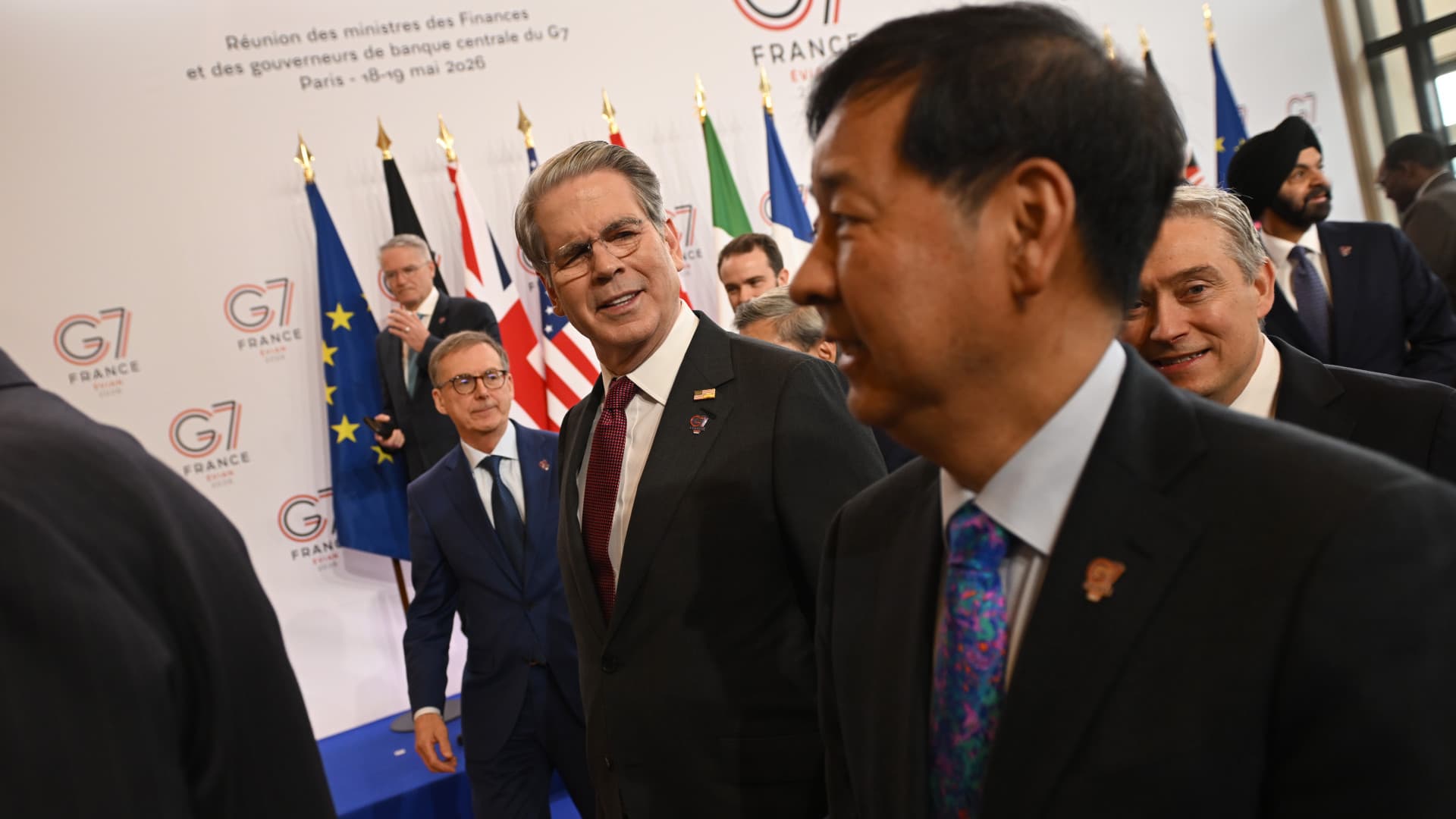
G7 finance ministers meeting in Paris pledged disciplined, targeted and temporary fiscal measures to address economic risks stemming from the Iran‑related Middle East conflict. In their joint statement they said the crisis has increased global economic uncertainty and raised growth and inflation risks, particularly through disruptions to energy, food and fertilizer supply chains.
During the talks, sovereign bond yields rose across all advanced economies in the group. Overall G7 sovereign yields are at levels not seen since 2004, while yields on long‑dated U.S. 30‑year Treasuries are approaching heights not seen since 2007. The move was driven in part by inflation fears linked to energy supply concerns around the Strait of Hormuz.
Central banks and policy priorities
The communique stressed that central banks’ primary objectives remain price stability and preserving the resilience of the financial system. Monetary policy, the ministers said, will remain data‑driven, and central banks are closely monitoring the impact of energy and commodity prices on inflation and inflation expectations. The statement also noted that none of the participating G7 countries’ central banks has raised interest rates since the outbreak of the Iran‑related conflict.
Government actions and political responses
Despite the ministers’ pledge on fiscal responses, governments have faced political and market pressures. In Japan, Prime Minister Takaicsi Szanae urged passage of a supplementary budget. In Italy, Prime Minister Giorgia Meloni requested greater fiscal space from the European Commission to expand energy support for consumers. In the United Kingdom, Manchester Mayor Andy Burnham and Labour leadership contender Keir Starmer ruled out loosening debt rules, citing concerns about market reactions.
At the same time, the United States introduced a new exemption covering Russian oil already loaded onto tankers, a move that has provoked discussion across capitals and markets.
Support for Ukraine and AI‑related stability risks
The ministers reiterated their condemnation of Russia’s war on Ukraine and reaffirmed continued support for Ukraine’s territorial integrity, sovereignty and independence. They also addressed risks that powerful new artificial‑intelligence models could pose to financial stability: G7 countries committed to further efforts on mapping cyber‑security risks and strengthening information sharing. The joint statement specifically referenced an advanced AI model unveiled last month by Anthropic, noting the potential implications such innovations may have for global financial stability.
Why it matters
Elevated stress in sovereign bond markets together with heightened geopolitical uncertainty in the Middle East increase inflationary pressures and constrain policy options for governments. While G7 ministers have promised targeted and fiscally responsible measures, markets remain sensitive, and central banks’ priority of safeguarding price stability will continue to shape policy choices.