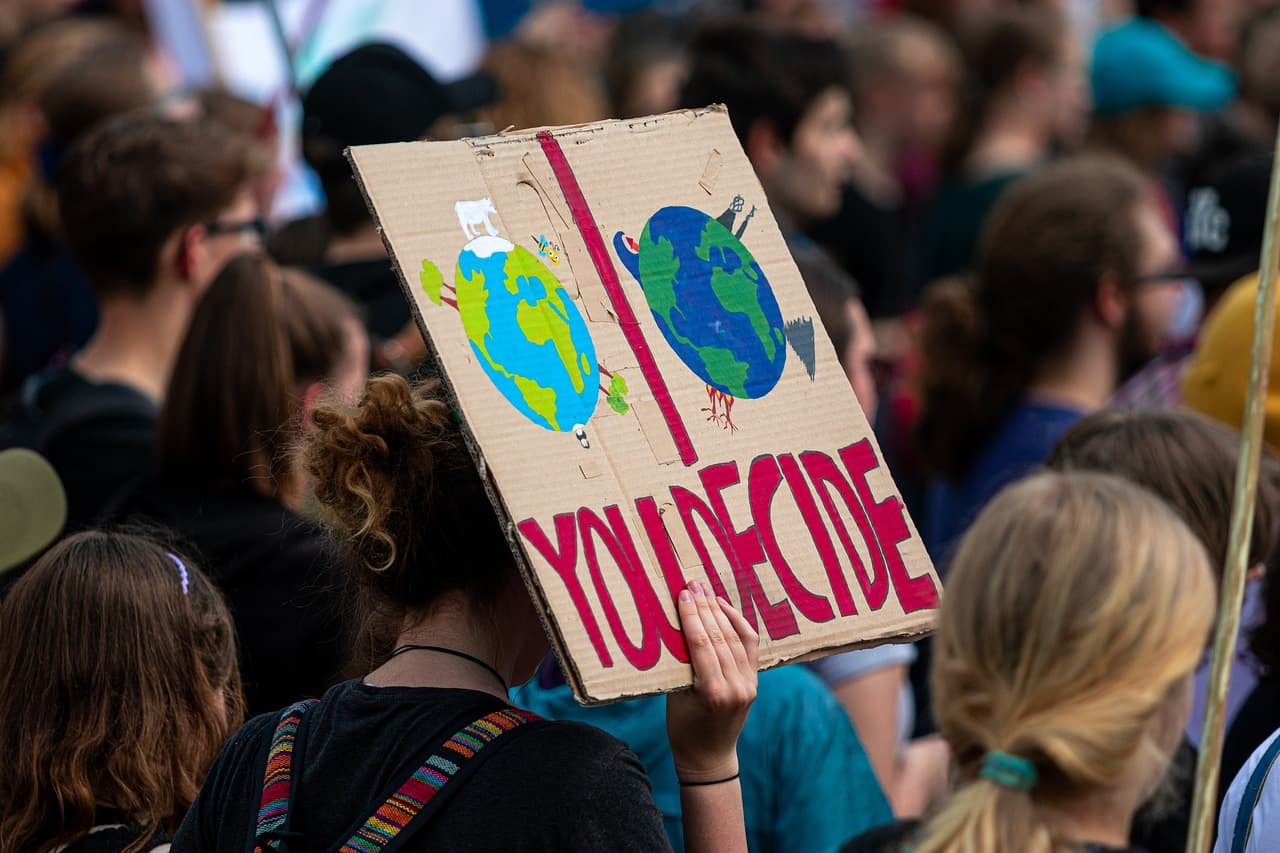
Design It For Us, a youth-led advocacy organization that pushes for guardrails on major technology companies, has released an ambitious 2027 AI policy platform, first shared with Semafor. The platform’s stated priorities are preventing catastrophic risk, preserving states’ ability to pass their own laws, protecting against digital fakes, and promoting design that helps and protects people.
Co-founder Zamaan Qureshi said the platform was shaped by input from more than 700 members across 40 states. He criticized a recently leaked bill from Anthropic as falling short, and urged Congress to pass comprehensive AI legislation by the end of 2027, saying the generation he represents has its future at stake.
Key provisions of the platform
Drawing lessons from perceived regulatory failures around social media in Washington, Design It For Us lists several core demands in its policy platform:
- Governments should be able to block deployment of models deemed dangerous;
- Large AI companies should be required to undergo independent testing and meet minimum capability standards;
- Companies should be liable if their AI projects cause physical or other injuries to people;
- States should retain flexibility to enact their own AI regulations.
The platform frames these measures as intergenerational accountability: the decisions made about AI now will shape the world future generations inherit, and those who build and regulate AI must be accountable to the generation that will live longest with the consequences.
Political context and prospects
Design It For Us has previously engaged actively on Capitol Hill in debates over children’s online safety bills, often pushing lawmakers toward stronger legislation. Despite this influence, one of the group’s legislative priorities, the Kids Online Safety Act, has not yet passed Congress.
The organization says its AI work positions it to influence federal policymaking if the Democratic Party, after next month’s elections, prioritizes AI safety while winning control of one or both chambers of Congress.