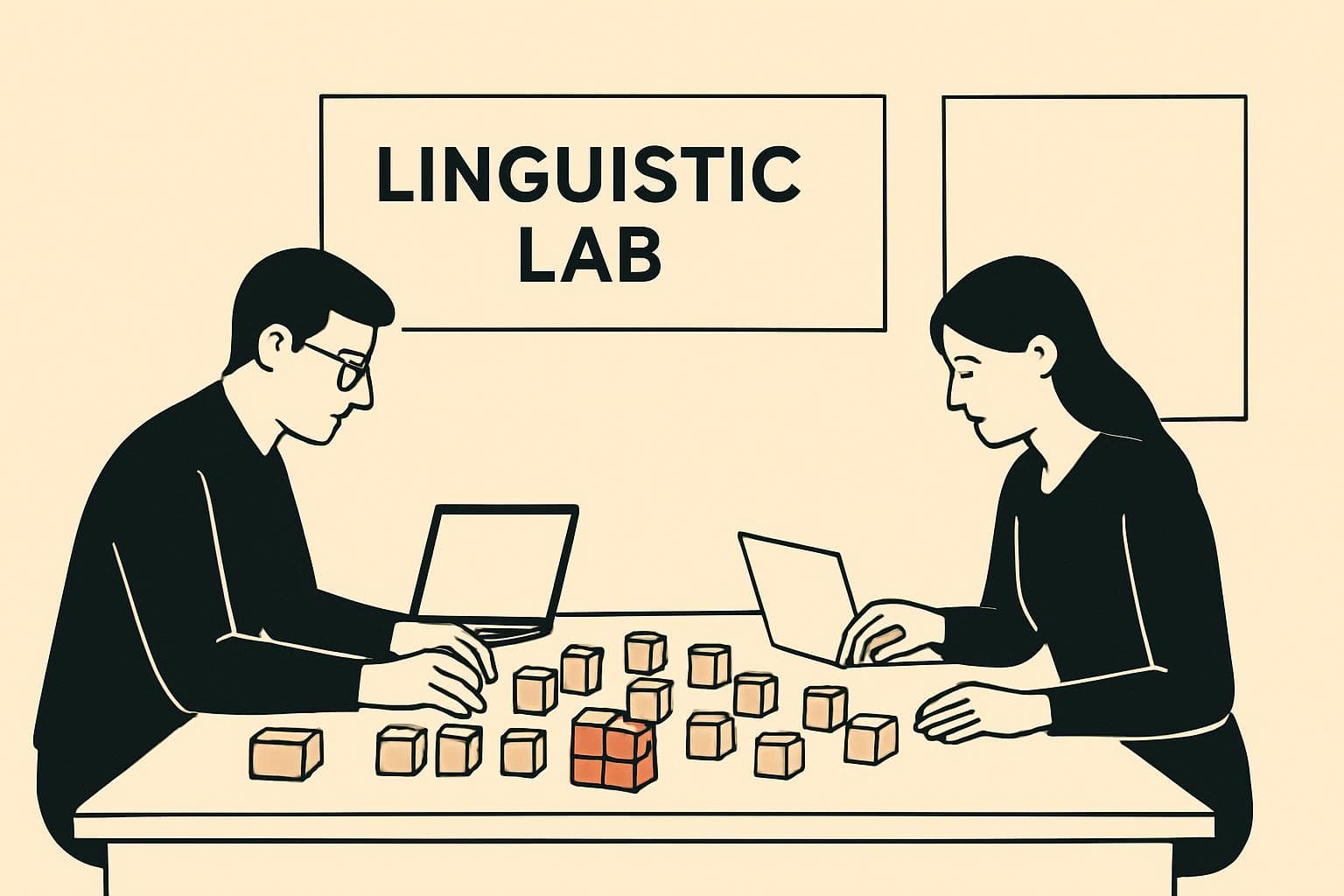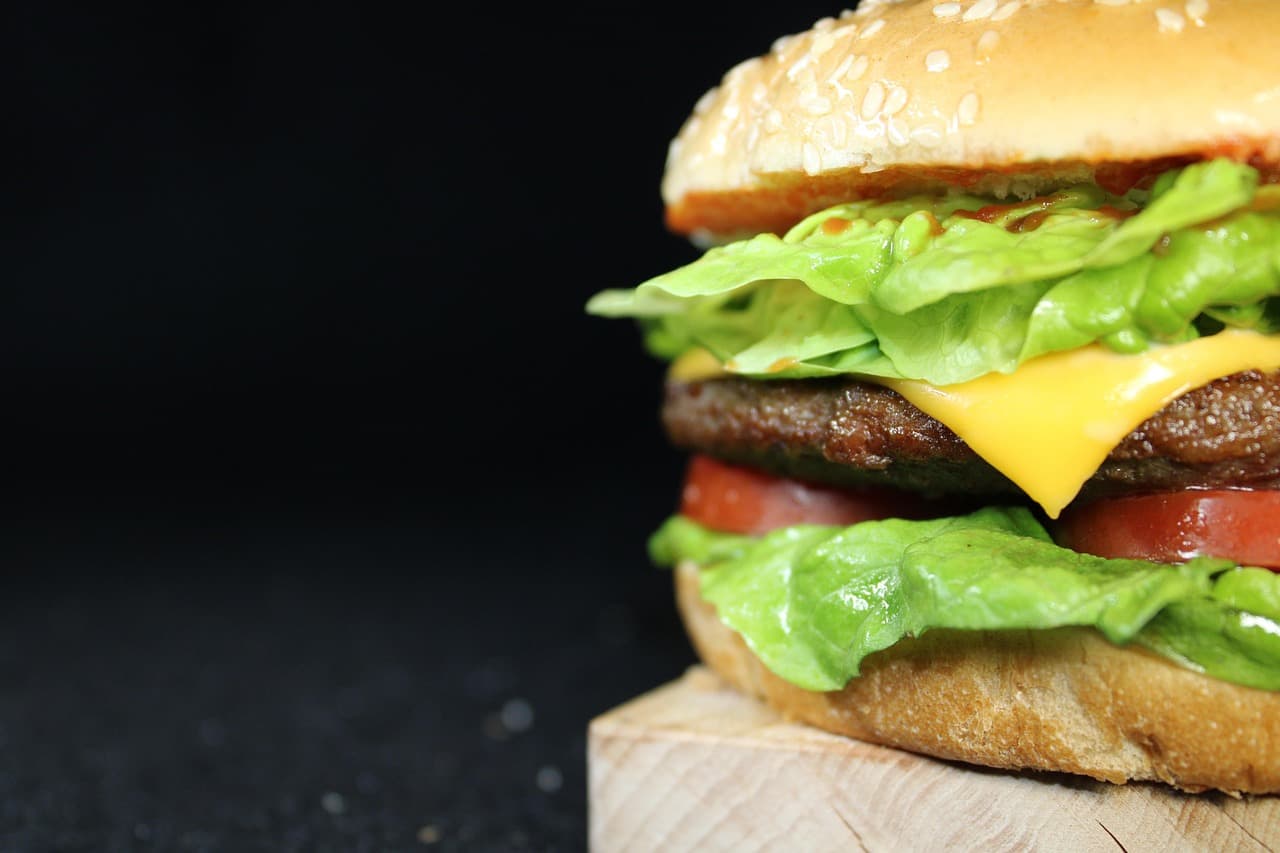
Researchers at the Stanford University Living Matter Laboratory trained a diffusion-based generative model, called BurgerAI, to design hamburger recipes. The model was trained on 2,216 real hamburger recipes from Food.com and data about 146 possible ingredients, and was then used to generate new burgers optimized for different criteria.
BurgerAI works in two stages: it first selects which of the 146 candidate ingredients to include in a burger and then determines the quantity of each chosen ingredient. The researchers note that the number of possible ingredient combinations vastly exceeds the number of observable stars in the universe.
Does the model find the Big Mac?
The team also asked whether and how quickly the model would discover the specific combination behind the McDonald’s Big Mac. Across ten independent runs, BurgerAI generated on average 7.3 million burgers before reproducing the exact combination. The researchers interpret this as evidence that the Big Mac recipe lies in a recognizable region of the design space, but that finding it is not trivial.
Sensory test in San Francisco
The AI-designed burgers were prepared by a professional chef at a San Francisco restaurant and evaluated by 101 participants on a seven-point scale. In terms of taste and texture, two AI-designed burgers matched or exceeded the reconstructed Big Mac; one of these received notably many votes for its meaty, juicy and fatty profile.
Ellen Kuhl, the study lead, commented that the model produced not only plausible recipes but burgers people actually enjoyed.
Nutrition and environmental impact
The model was also used to optimize for nutrition and sustainability. One “environmentally friendly mushroom burger” had an overall environmental footprint more than ten times smaller than the reconstructed Big Mac when considering land use, water, emissions and pollution together; however, its earthy flavor lowered its sensory ratings.
A beef–mushroom hybrid remained at the Big Mac’s level in taste while substantially reducing environmental impact. The healthiest creation, a bean burger, scored nearly twice as well as the Big Mac on a standard nutrition index and used about one-sixth the environmental resources, but tasters found it unappealing—describing it as bland, dry and grainy.
Limitations
The authors acknowledge multiple limitations: the training data reflected heavily Western eating patterns; environmental and nutritional figures were based on global averages; the tasting panel comprised only 101 people and took place in a single restaurant; and the Big Mac used for comparison was a reconstruction made by the researchers rather than a McDonald’s product.
Broader significance: generative design
The hamburger experiment served as an accessible demonstration of a broader point about generative design. Diffusion-model generative AI can search vast combinatorial spaces (recipes in this case) to design new solutions while simultaneously balancing several objectives such as flavor, health and sustainability. The researchers argue that this approach could transform areas beyond food— including pharmaceuticals and product design—where complex, multi-objective optimization is required.
The study shows that generative AI can propose practical, human-acceptable solutions and help chart trade-offs among taste, health and environmental costs, while also underscoring the need to consider the study’s data and methodological limits when interpreting the results.