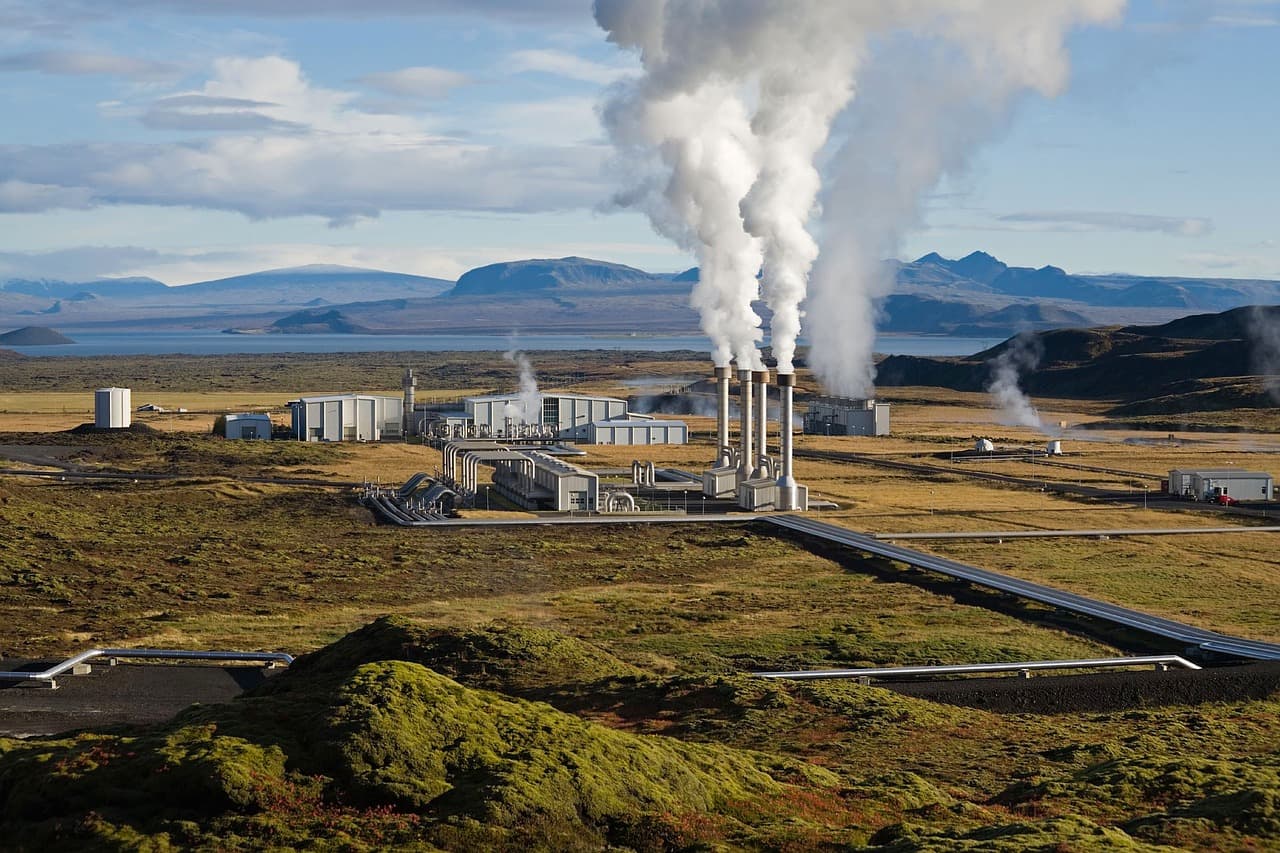
Geothermal power — electricity generated from the Earth’s internal heat — is gaining unusual, cross‑party support in the United States, attracting attention from lawmakers, investors and tech companies.
Why it matters
The bipartisan backing, together with rising electricity needs driven by artificial intelligence (AI), is channeling capital into a niche renewable source that could provide round‑the‑clock carbon‑free power if it can be scaled economically and reliably.
What’s happening now
Geothermal provisions received prominent placement in a bipartisan Senate bill introduced late last month aimed at speeding infrastructure permitting. The House earlier this summer passed a package with several of the same geothermal measures, including proposals sponsored by ideologically distant representatives such as Alexandria Ocasio‑Cortez (D‑N.Y.) and Mike Kennedy (R‑Utah).
Three converging trends are lifting geothermal’s profile:
- Technologies adapted from the oil and gas sector, including fracking‑related methods, are expanding the locations where heat can be tapped beyond isolated hot springs and volcanic areas.
- Technology companies seeking reliable, always‑on electricity are willing to pay premiums for next‑generation geothermal to power data centers.
- Investment is accelerating as firms race to scale a renewable energy source capable of continuous output.
Provisions in the Senate bill
The geothermal‑specific measures in the Senate bill go further than the broader permitting reforms proposed for other renewables such as wind and solar. They would ease exploration and leasing on federal land, speed drilling permits, and exempt certain activities from environmental review. Geothermal also retained federal clean‑energy tax credits in Republicans’ sweeping tax law last year, while wind and solar faced an accelerated phase‑out.
Market players and finance
Fervo Energy, a company that went public earlier this year, sits at the forefront of this convergence. Fervo was founded nearly a decade ago by Tim Latimer, a former drilling engineer in the oil and gas industry. Latimer told Axios during a recent on‑stage interview that “I don't think any of us saw in 2017 that a few years later we would be in the biggest demand power boom for electricity that we had ever experienced.” He added that the AI boom has “accelerated our business tremendously.”
Commercial interest is visible in rising lease bids: Guy Cohen, a geothermal analyst at the market intelligence firm Currence, said the average winning bid for federal geothermal leases was $10 per acre in 2023 and so far this year averages $182 per acre. A single parcel in Utah drew a record $1,207‑per‑acre bid this summer.
Reality check: costs and technical risks
Political popularity and investment momentum are outpacing commercial maturity. Geothermal remains expensive and still supplies less than 1% of U.S. electricity. The high lease bids pertain to exploration rights, not active wells. Fervo’s stock has fallen nearly 70% from its first‑day closing price after its IPO amid what Axios Pro describes as a broader slowdown among energy startups.
Tom Erb, Fervo’s government affairs and policy manager, says construction costs at its flagship Utah project are about half those of new nuclear plants. He acknowledged that subsurface heat can diminish over time, potentially requiring additional drilling, but said those costs are built into company projections.
Environmental concerns and local opposition
Geothermal has faced local resistance, particularly over water impacts. Patrick Donnelly of the Center for Biological Diversity warned that traditional geothermal projects can disrupt hot springs and wetlands important to wildlife. Newer approaches like those Fervo employs avoid some risks, Donnelly said, but questions remain about water use and other environmental effects.
What to watch
Geothermal has achieved a rare political consensus in Washington. The next test will be whether that consensus endures as the industry expands and whether the technology can deliver reliable, affordable, long‑lived power at scale.