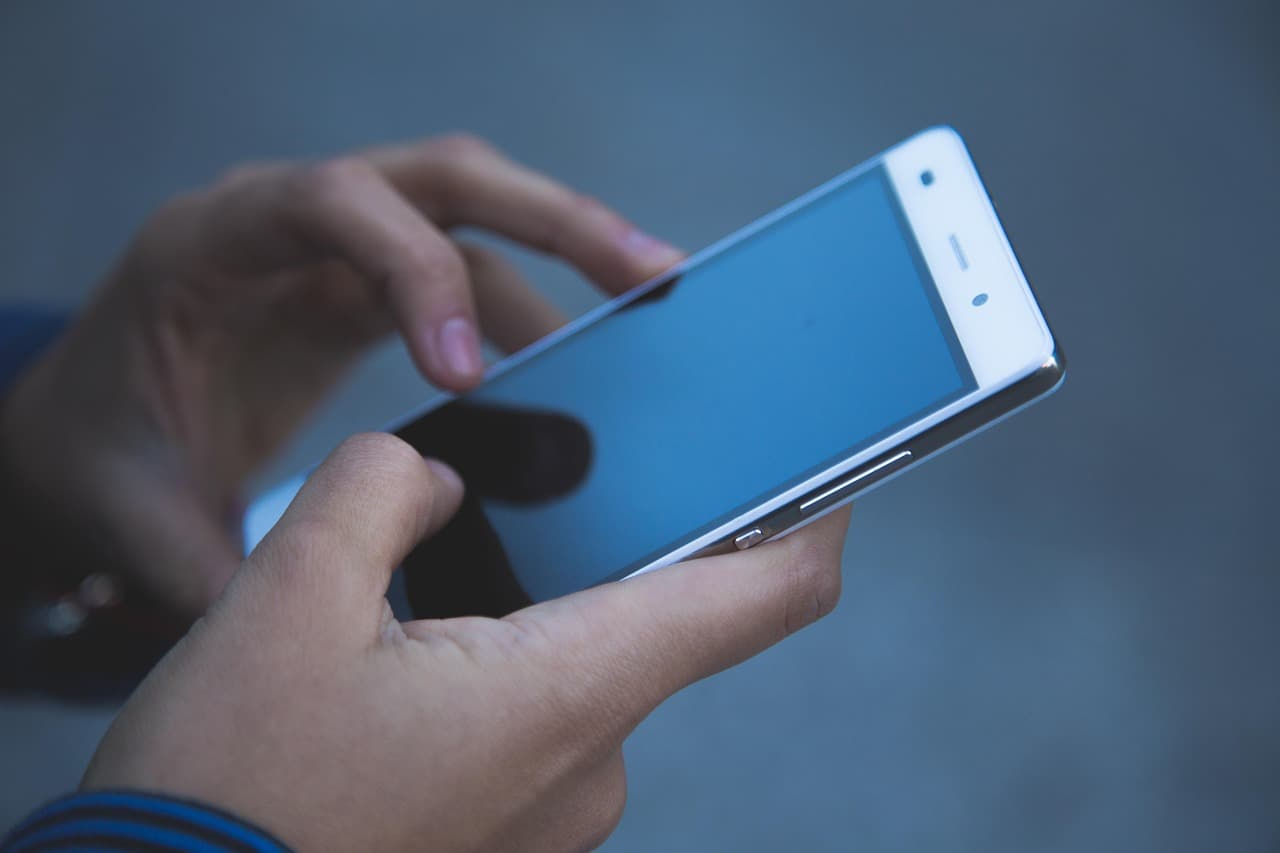
Google DeepMind has integrated a sign-language-to-text mode called SL2T into Gboard and Live Transcribe on the Pixel 11. The feature initially supports translation from American Sign Language (ASL) to English: instead of speaking, a user signs to the phone’s camera and the system converts those signs into text in real time wherever text input is accepted — for example in a search bar, a message field, or a prompt to Gemini.
How it works and what’s new
SL2T functions similarly to voice dictation: the camera captures the signing and the model produces text output live. According to Google DeepMind, the model was trained on more than 100,000 hours of data covering over 50 sign languages. The project emphasizes treating signing as a full language to be translated rather than attempting to decode isolated gestures — a distinction intended to avoid failures seen in earlier approaches such as sign-language gloves.
Availability and limitations
At launch the feature is limited to ASL-to-English and is available only on the Pixel 11. This rollout is therefore initial and narrow in scope; Google DeepMind has not announced a detailed timeline for expanding language support or bringing the capability to other devices.
Why it matters
Input methods implicitly define the expected user: keyboards assume typing ability, voice assistants assume speaking and audibility. For decades roughly 70 million Deaf or hard-of-hearing people worldwide have relied on typing or a second spoken language to interact with devices because signing was not a native input. Making signing a first-class input method changes that assumption and expands which forms of communication digital interfaces can natively accept.
Summary
The technical challenge was not the camera itself but the long-standing assumption about how people interact with machines. By integrating SL2T, Google moves toward recognizing signing as a primary way to communicate with devices, although the current offering is limited to ASL on a single handset.