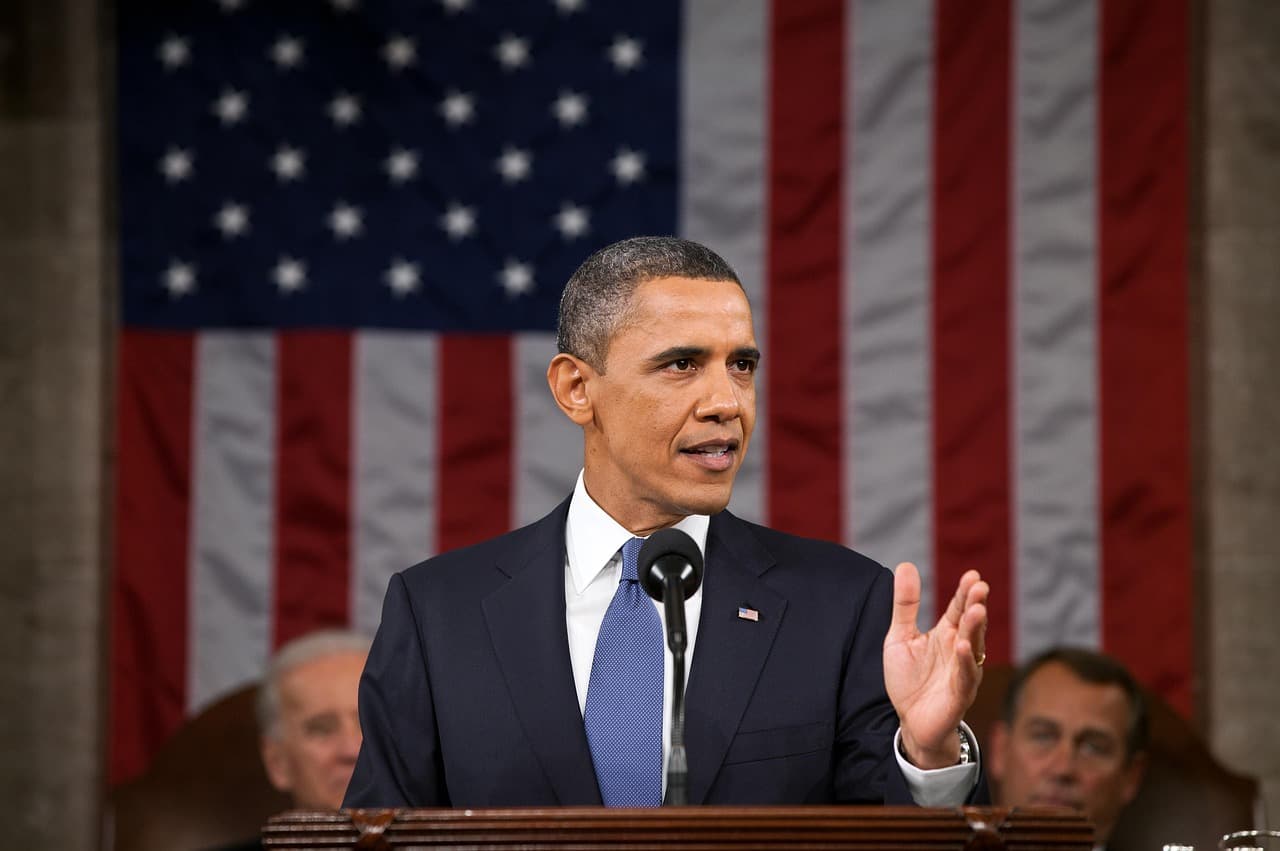
Jensen Huang, co‑founder and longtime CEO of Nvidia, has resigned and will not remain on the company's board following revelations about extramarital relationships, one of which U.S. authorities say raised national‑security concerns. Huang, 63, stepped down shortly before the U.S. market opened; until a permanent successor is named, Chief Financial Officer Colette Kress will serve as interim CEO while retaining her executive vice‑president and CFO roles.
Timeline and nature of the revelations
The controversy began on Sunday when Huang acknowledged an affair with Alice Huang, an executive at Megaspeed, a cloud‑service provider that had privileged access to Nvidia products as an official partner. U.S. intelligence sources reported to the press that the woman may have been linked to Chinese intelligence, an allegation denied by Beijing. Megaspeed is also under U.S. investigation on suspicion that it helped circumvent export controls to obtain advanced AI chips for China.
The situation escalated after a New York Times report revealed a second extramarital relationship between Huang and Kimberly Powell, vice president of Nvidia's healthcare business, who reported directly to Huang in the corporate hierarchy. The Nvidia board had launched an internal probe earlier in the month with outside legal counsel to determine whether the CEO had been targeted by a foreign intelligence operation; initially the board expressed confidence in him. After the new reporting, the board reconvened and the company announced Huang's departure.
Market reaction and concrete figures
The disclosures triggered a sharp market sell‑off. Nvidia shares fell as much as 14% in the minutes after the market opened before the intraday decline moderated to about 8.6%. In that session the company lost more than $400 billion of market capitalization. Since early October, the stock has declined by more than 30%.
The Nasdaq also slid due to Nvidia's weight, opening down over 1% before settling at roughly a 0.5% decline. The Philadelphia Semiconductor Index was down about 1.9%. Some competitors such as AMD and Broadcom rose, suggesting investors are reallocating exposure toward firms they see as potential beneficiaries of Nvidia's leadership uncertainty.
Analyst revisions
Major brokerages and research houses cut price targets and adjusted recommendations in response to the governance and security concerns. Examples from the reported days include:
- Mizuho (November 9): target cut from $315 to $250.
- Wells Fargo: target cut from $315 to $300.
- Citi: cut from $315 to $285, and later to $225.
- Baird: downgraded to neutral and cut target from $500 to $200.
- Bernstein: target cut from $400 to $200. Several other firms, including Stifel, RBC Capital and Bank of America, also substantially reduced their targets.
Nvidia's role in AI infrastructure and outstanding commitments
Nvidia's processors are central to modern AI workloads, a shift that transformed the company from a graphics‑card maker into a pillar of the AI supply chain. Nvidia was founded in 1993 by Jensen Huang, Chris Malachowsky and Curtis Priem.
The company also carries large financial commitments tied to AI infrastructure. In its most recent filings Nvidia reported about $164.5 billion of financial commitments, including up to $105 billion potentially related to an OpenAI‑linked data center project in Ohio and more than $50 billion in leases and capacity guarantees. These obligations are not immediate cash needs but illustrate how closely Nvidia's finances are tied to the expansion of AI infrastructure and its cloud customers. Investors worry a change in strategy under new leadership could lead to reassessment or scaling back of those commitments, increasing financing costs for data‑center operators.
Interim CEO Colette Kress
Colette Kress joined Nvidia in September 2013 as executive vice president and chief financial officer. Before Nvidia she spent 13 years at Microsoft and held finance leadership roles at Cisco’s business technology and operations group. Nvidia stated Kress will perform interim CEO duties while continuing as EVP and CFO until a permanent CEO is appointed.
Why this matters beyond one executive
The episode is significant not only because of the personal conduct involved but because Nvidia occupies a strategic position in the U.S.–China technology competition and the global AI ecosystem. Leadership uncertainty, coupled with national‑security questions, can affect customer and investor confidence, supply relationships, and the broader financing of AI deployments. How the board manages the CEO transition and whether commitments to partners are maintained will shape the short‑ and medium‑term impact on Nvidia and related markets.
An AI assistant contributed to preparing this article; the final content was edited and verified by our journalist.