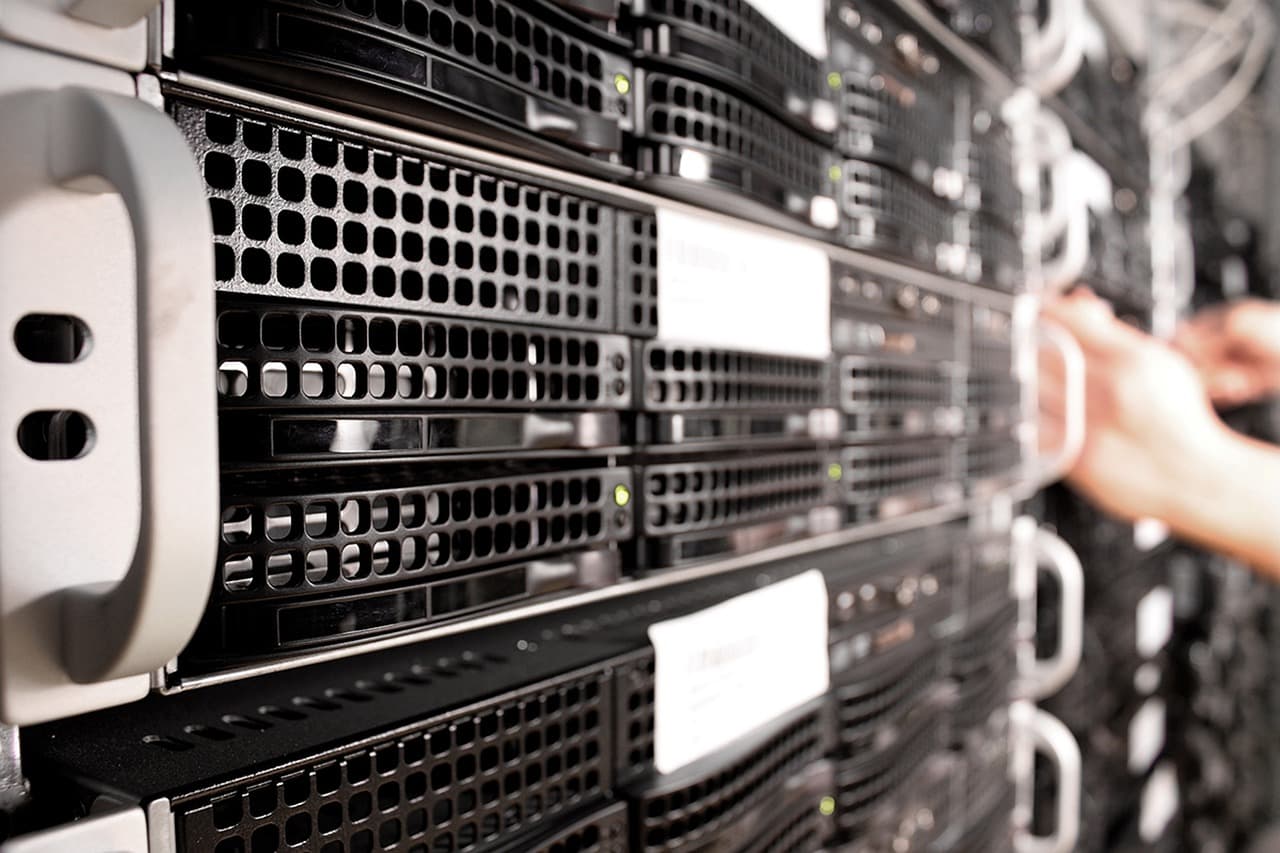
Anthropic, a leading company in artificial intelligence development, has agreed to a $19 billion, 20-year contract with TeraWulf, a firm known for crypto mining. Under the deal, Anthropic will use the capacity of TeraWulf’s server farm in Kentucky, United States, to train and run its AI models.
Why miners are moving toward AI infrastructure
A combination of factors is pushing crypto miners to pivot toward AI services. Bitcoin’s price has fallen roughly 50 percent since its October 2025 peak of $125,000 per token, while mining costs have risen due to higher energy prices. The inherent volatility of cryptocurrencies and the four-year “halving” schedule — which reduces the reward per mined bitcoin — have also reduced the attractiveness and predictability of mining.
At the same time, miners possess assets that can be repurposed for AI workloads: real estate, power supply, cooling systems and data centres that can be adapted for machine learning infrastructure.
Other deals and full pivots
Several mining companies have signed similar multi-year deals with large tech firms. IREN, Cipher and Hut 8 have together signed about $8 billion in contracts with companies such as Google, Microsoft and Anthropic. Some miners have fully exited mining: Bitdeer, a bitcoin miner, sold all its tokens and is reinvesting revenue into AI infrastructure.
Numbers and outlook
According to CoinShares, by the end of 2026 mining companies could derive 70 percent of their revenue from AI-related activities, up from about 30 percent previously. Bloomberg’s analysis shows that while bitcoin miners achieved roughly 90 percent gross margins around 2021, that figure has fallen to about 60 percent today. In contrast, AI cloud services can currently realize gross margins near 85 percent.
Risks of long-term contracts
Long-duration contracts carry significant risks. Technology evolves quickly, so by 2046 — when the Anthropic–TeraWulf agreement expires — AI compute requirements and hardware architectures could look very different. Long contracts can also make providers dependent on the performance and strategy of a single partner.
VanEck has urged investors to look beyond headline contract values and focus on how rapidly providers can actually build capacity. VanEck estimates the sector that is transitioning from mining to data centres needs about $221 billion in financing, and current plans leave roughly a $50 billion shortfall. Moreover, the industry has so far built only about 25 percent of the compute capacity that companies have already contracted.
Which providers may benefit?
VanEck suggests that data-centre providers serving the leading AI companies are likely to receive more favorable financing terms and higher valuations than those contracting with smaller AI startups. Overall, the crypto-mining sector is in a transitional phase: existing infrastructure and near-term market pressures are encouraging a shift toward AI infrastructure, but execution risks, funding gaps and rapid technological change pose substantial challenges.