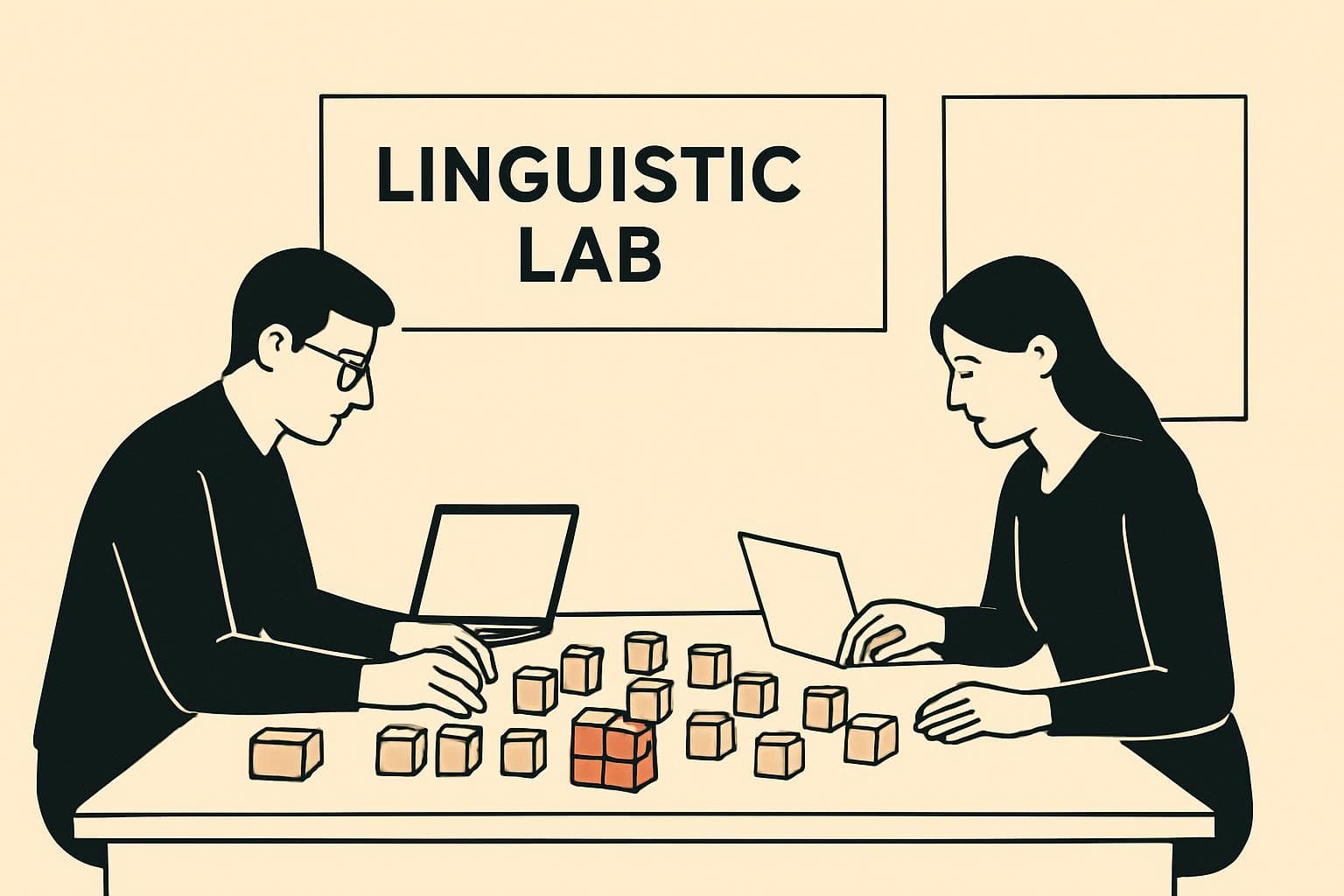
Researchers at Carnegie Mellon Egyetem and Marylandi Egyetem say that not only humans need sleep for cognitive organization, but large language models (LLM) could also benefit from rest periods that mimic human sleep patterns. Drawing on neuroscience findings, the researchers propose that introducing pauses into training and operational cycles could help memory consolidation and reduce noise. Their study claims such rest periods may improve model stability and reliability, lowering the incidence of incorrect or overly generalized responses. The researchers emphasize that these rest periods would not necessarily mean full shutdowns, but could include targeted processing and reconfiguration phases, and they note potential energy-efficiency and long-term maintenance benefits. Practical application of the proposals requires further experimental validation across different models and tasks, and the research leaves open the question of optimal frequency and duration of rest. The authors hope that incorporating neuroscience principles could contribute to more reliable and less error-prone AI systems.
AI-generated text
Researchers: rest periods similar to human sleep could be useful for large language models
Researchers at Carnegie Mellon Egyetem and Marylandi Egyetem say that not only humans need sleep for cognitive organization, but large language models (LLM) could also benefit from rest periods that mimic human sleep patterns.