A September study by the Basel Action Network (BAN) highlights a major, often overlooked consequence of the global expansion of AI infrastructure: a sharp rise in electronic waste (e‑waste). BAN’s calculations indicate that the build‑out and turnover of AI‑related hardware could generate between 395 and 617 million tonnes of e‑waste by 2050. By 2030, annual e‑waste attributable to AI data centers alone could reach 8.6–13.1 million tonnes.
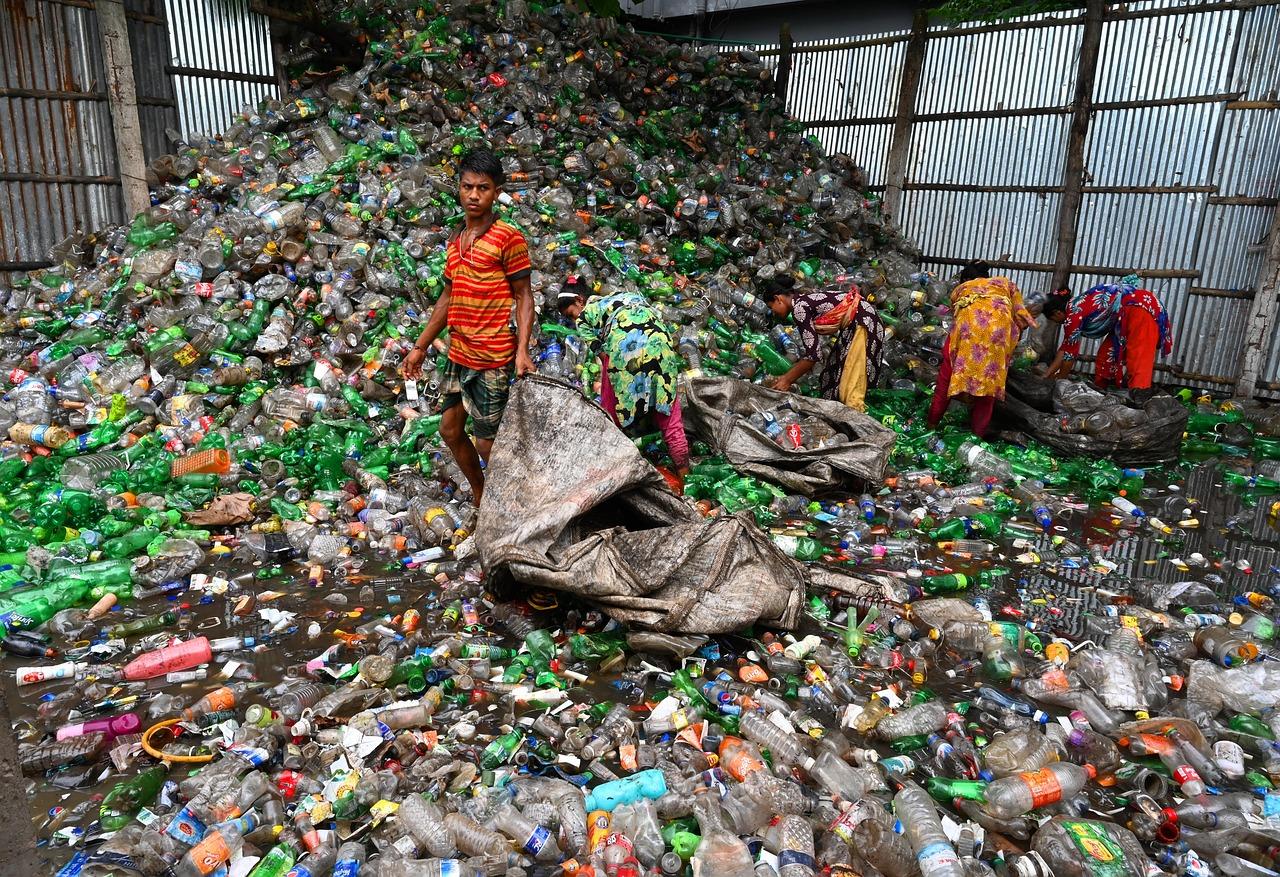
Current e‑waste context To put the scale in perspective, about 62 million tonnes of e‑waste were generated worldwide in 2022, and only 22.3 percent of that was collected and recycled under documented, regulated systems. Large portions of the remainder are stockpiled, disposed of in municipal waste streams, or handled by informal collection networks — where devices are often burned or buried, releasing toxic substances such as lead and chromium into the environment.
Why AI adds a new dimension to the problem AI’s expansion carries not only a digital footprint but also a significant physical one. Data centers require substantial hardware to be built and continually upgraded, creating increasing material flows that current waste‑management infrastructure in many regions is not ready to absorb. BAN further estimates that by 2050 AI data centers alone could produce 31–46 million tonnes of e‑waste per year tied directly to their operation and development.
Technological responses and a Hungarian example Technological solutions exist to mitigate the growing waste stream. General Future Holding (GFH), based in Petőfibánya, Heves County, Hungary, is an example of a company applying “urban mining” techniques: dismantling IT and networking equipment, circuit boards and cables for material recovery. GFH uses machine‑vision assisted sorting to improve the accuracy and efficiency of material identification and separation.
The company reports producing copper dust from cables and circuit boards and recovering gold, other precious metals, and critical raw materials from electronic waste. GFH operates its own pre‑processing facility and says it has collected and processed roughly 50 million kilograms of e‑waste to date through more than 2,000 sealed container transactions.
AI as a tool for better recycling AI is not only a driver of increased e‑waste but also an enabler of more effective recycling. At the Petőfibánya plant several AI‑based, worker‑assisting processes speed up and refine material recognition and identification and guide processing decisions. Platz Arnold, founder of General Future Holding, states: “AI complements human experience with analytical and recognition capabilities that could not be achieved by manual labor or conventional technologies alone.” He emphasizes that electronic waste consists of complex, continuously changing material streams; previously some valuable metals were lost or routed into lower‑value, polluting processing channels, whereas GFH’s technology makes those difficult streams economically recoverable.
Geographic and logistical advantages Platz also notes that Hungary’s geographic position offers logistical advantages for regional e‑waste processing: the country is a transit hub between Europe, the Balkans, the Middle East and parts of North Africa, and is closer to many European waste sources than traditional Asian processing centers. Shorter transport routes could enable faster processing and reduce logistical exposure — in contrast to current flows where some material streams may travel up to 100 days to reach Asian smelters.
Conclusions The rise of AI presents a dual challenge: it increases demand for electronic devices and data‑center infrastructure while making it imperative to scale up modern, effective e‑waste collection and recycling systems. A key question for the coming years is whether recycling capacity and waste‑management systems can keep pace with AI’s growth, and to what extent technological tools — including AI itself — can recover value from waste streams and reduce environmental harm.


