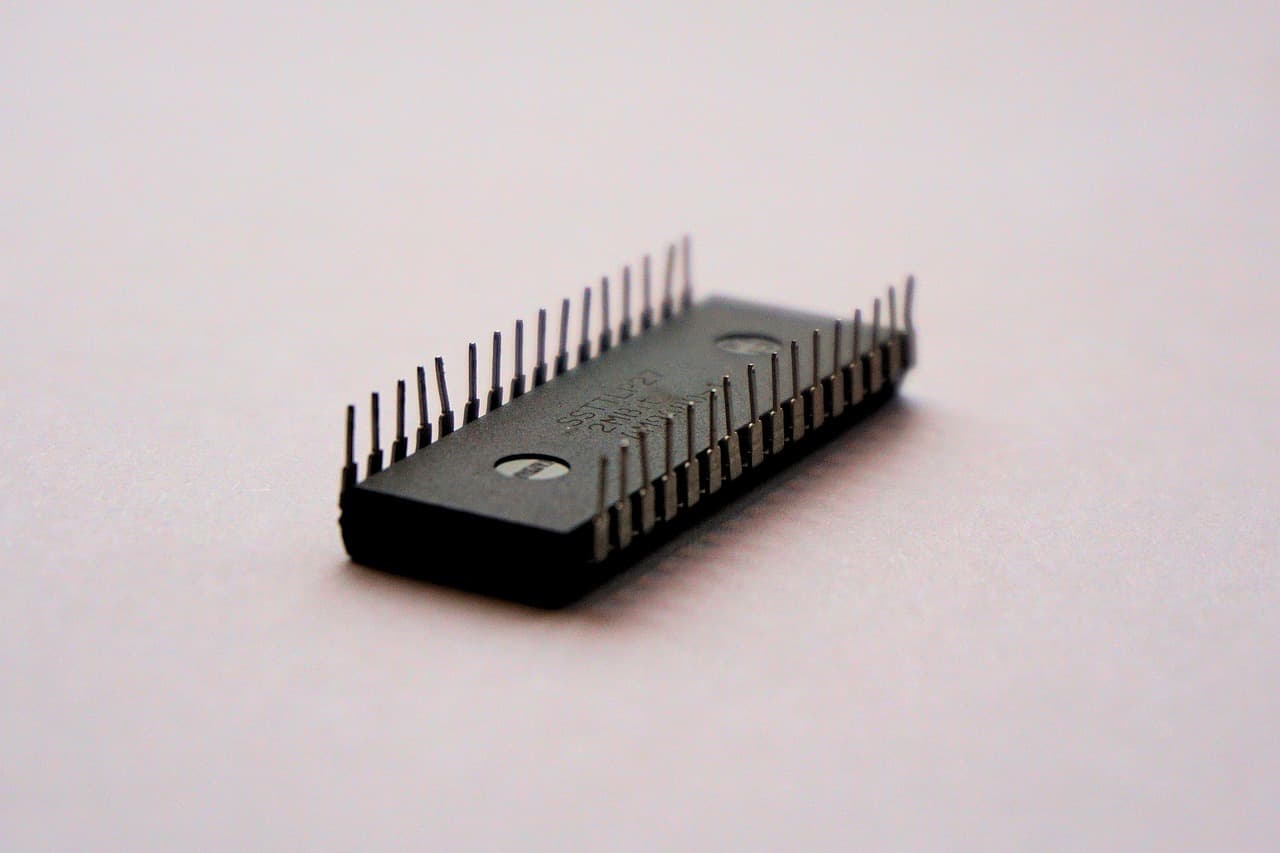
Mary Daly, president of the Federal Reserve Bank of San Francisco, told Axios that rising demand from artificial intelligence (AI) could produce a squeeze on memory chips and other semiconductors that lasts longer and reaches farther than the recent data‑center investment boom alone.
Why it matters
The Federal Reserve typically looks through temporary supply shocks, but Daly cautions that AI, together with tariffs and higher energy prices, could either persist longer than expected or compound one another. That would keep inflation higher for longer and might require additional monetary tightening.
Current assessment
Daly said AI demand could spread beyond high‑end chips before supply ramps up, extending the shock beyond the one‑to‑three year window the Fed usually expects shocks to fade. "I see it less as a one‑off," she said of AI‑driven pressure on chip and other technology prices. "This is probably further out before we get relief."
She added: "It doesn't seem like the demand for AI is going down. If anything, it seems like it's going up."
Evidence from Daly's district
Daly's district covers Silicon Valley and many companies that are driving the AI boom. In conversations with business contacts she is hearing signs that firms are preparing for tighter chip supplies — indicating the AI expansion is already influencing purchasing and product design decisions beyond data centers.
Some companies are seeking forward contracts for memory chips "so that they know they have a supplier." Such contracts provide greater certainty about future supply, which is notable in the memory sector where products depreciate quickly and firms historically had less incentive to lock in supply. Other companies are beginning to redesign products to rely on fewer chips, giving them more flexibility if supplies tighten. Daly views these developments as signals that concern about broader spread of the problem is growing.
What to watch
The worry is that the scramble for AI hardware will compete with chips used in automobiles, appliances and other goods — recreating bottlenecks similar to those seen after the pandemic, when chip shortages prevented manufacturers from finishing vehicles and pushed prices up. If AI‑specific demand spills into the broader semiconductor market, costs could rise for companies with little direct connection to data centers.
Monetary policy friction
The Fed could confront an awkward dilemma if AI‑driven price pressures spread. The largest AI spenders — hyperscalers — tend to be relatively insensitive to higher interest rates, Daly noted, although they could become more rate‑sensitive as they increasingly borrow to finance AI build‑outs. While the biggest AI expenditures are concentrated among hyperscalers, many other firms investing in AI are more sensitive to borrowing costs.
That means higher interest rates can still slow the broader economy and reduce inflation pressures even if they do less to slow the firms at the center of the AI boom. "I do think tightening policy has an effect on the outlook for inflation," Daly said.
Bottom line
Daly frames the AI boom as a new inflation risk for the Fed — one that can propagate through supply chains, persist for years, and be harder to cool with interest‑rate increases alone. She affirmed her support for the Fed's September rate hike three weeks prior to the Axios interview, but declined to take a firm public position on whether more hikes will be needed. Instead, she said her view will depend on whether energy, trade and other shocks that have raised inflation this year show signs of abating.
Daly said: "I was very pleased, very supportive of the rate hike we took in September. It seemed completely necessary at this juncture to respond to the fact that inflation risks have gone up." She added that whether more tightening is necessary "depends on the same set of conditions ... that I mentioned," and warned that if shocks compound or last longer than forecast, that would extend the period over which they affect inflation.
She also noted that the Federal Open Market Committee (FOMC) will continue to monitor the labor market carefully to determine whether these shocks will roll off, compound, or cause underlying inflation to gain momentum.
Context within the Fed
Daly's framing differs somewhat from views within the Fed that argue policy is out of position and needs adjustment; for example, Federal Reserve Governor Michael Barr said last month that he believes the Fed "was out of position, and we made an adjustment in the right direction." Daly's comments imply openness to being done with rate hikes if geopolitical and energy developments cooperate in the coming weeks and months, but she remains vigilant about the risk that AI, tariffs and higher energy prices could keep inflation elevated.