McKinsey & Company says Hungary may have reached a turning point where future growth must come from productivity improvements rather than expanding employment. According to the McKinsey Global Institute, AI-driven automation could add around €15 billion to the Hungarian economy by 2030, roughly equivalent to 6–7% of current GDP.
Background
Over the past 15 years, employment in Hungary rose to 81%, while real wages increased by more than 50% since 2008. McKinsey argues that this model has reached its limits and that further growth will increasingly depend on productivity gains.
McKinsey points to several structural constraints on competitiveness: low domestic value added, a large gap in sophistication between large firms and small and medium-sized enterprises (SMEs), and only moderate innovation capacity. Artificial intelligence could help address these weaknesses by making economic actors more efficient and productive.
What McKinsey leaders say
Havas András, partner at McKinsey, commented: “Artificial intelligence can help here: it can make economic actors more efficient and productive, which means the economic potential embedded in it is huge.”
Matécsa Márta, also a McKinsey partner, added: “AI does not solve the economy's productivity problems by itself; it only creates the opportunity to accelerate — it remains an open question whether Hungarian companies, institutions and workers can seize that opportunity.” The study reportedly identifies strategic steps to enable AI-based economic development.
Timing and further discussion
McKinsey will publish the full, detailed study on Hungary’s AI opportunities in June. The topic will also be covered at the Portfolio Financial IT conference on May 28.
Why this matters
If productivity gains also bolster regional competitiveness, the aggregate economic impact could exceed the estimated 6–7% of GDP. McKinsey’s central message is that Hungary’s future growth depends on innovation, raising domestic value added, and effectively deploying AI.
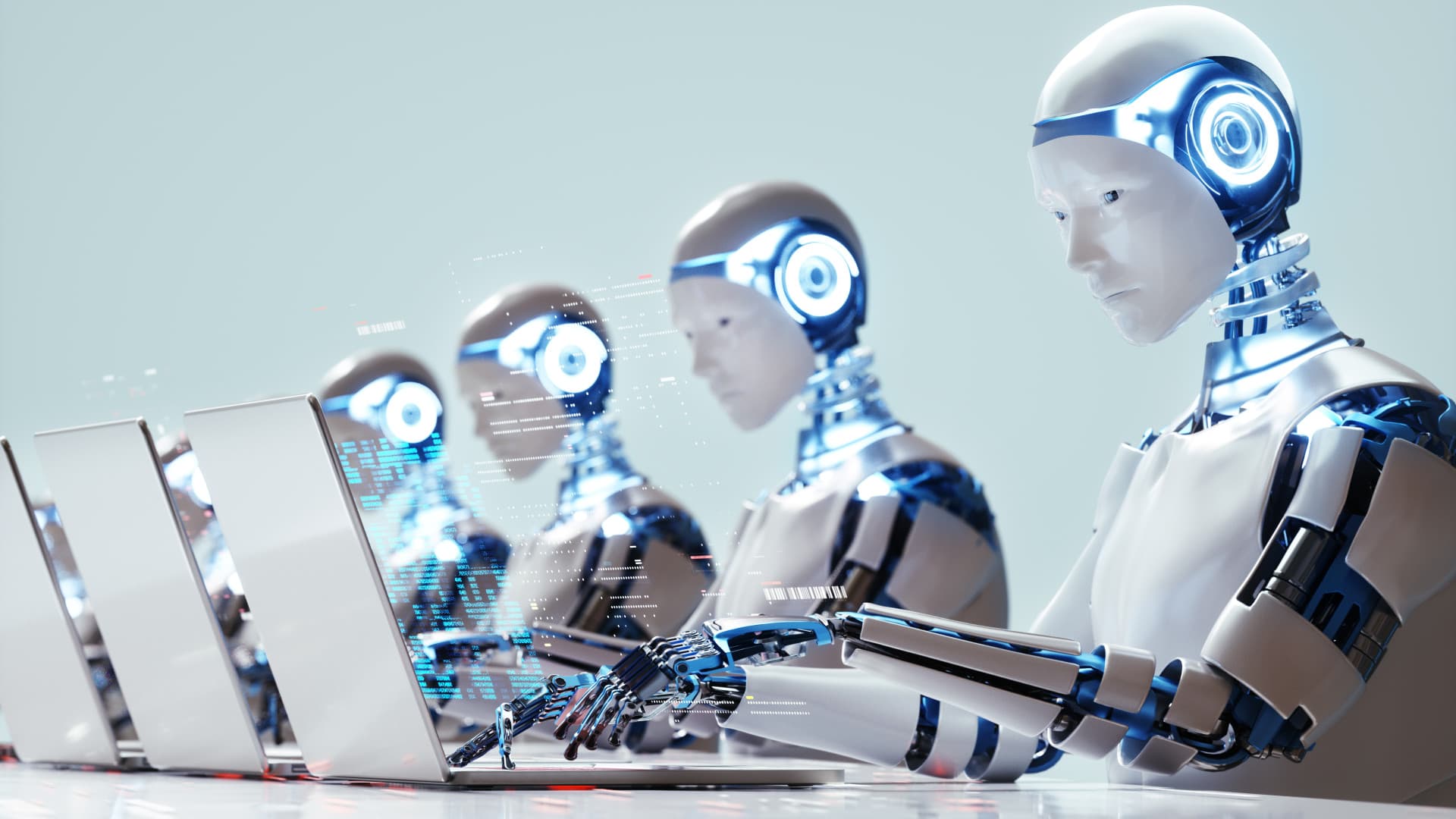
Cover image: illustration.
Tags: labor productivity, GDP, economic development, competitiveness, artificial intelligence, innovation, automation, employment, McKinsey, Hungarian economy