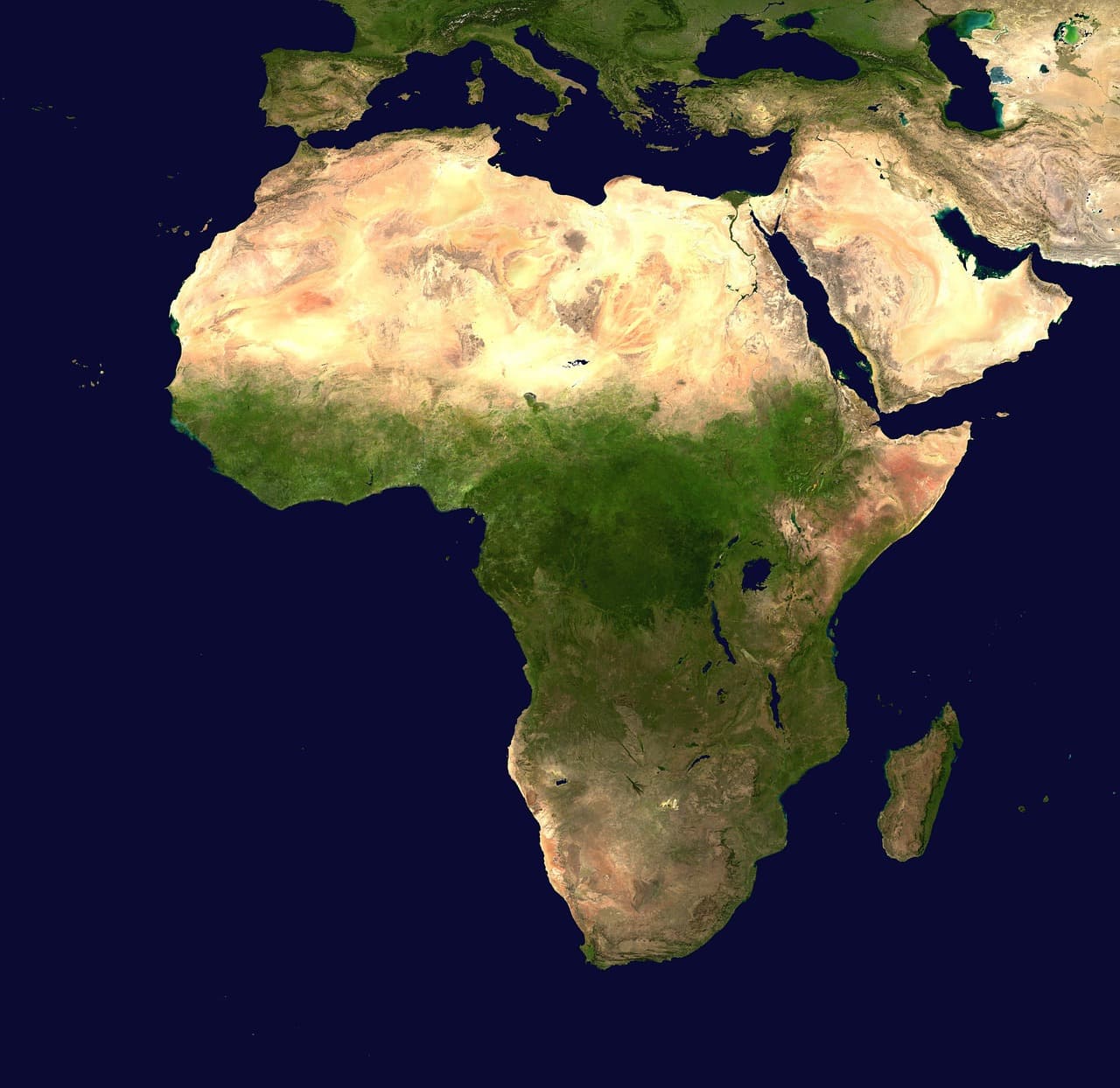
Alexis’s view argues that the most significant effects of record-breaking IPOs by AI companies such as Anthropic and OpenAI may be felt far from Silicon Valley, in towns and cities across Africa. Anthropic’s IPO is expected to value the company at about $2 trillion, and OpenAI is reportedly targeting a similarly vast valuation. Early investors include Silicon Valley philanthropists who could become major beneficiaries of the resulting wealth.
Nan Ransohoff, an executive at payments processor Stripe, wrote in a widely read essay that the pool of philanthropic capital spun out of these tech exits could be worth up to $100 billion a year. The effective altruism movement, which guides many tech philanthropists, prioritizes data-driven interventions that deliver the greatest benefit per dollar — making Africa an obvious focus for large-scale donations.
Why this could matter for Africa
- The potential size of new philanthropic funds could finance health, education and other public services in countries with significant needs.
- Philanthropic capital can be deployed quickly and targeted to urgent problems that governments struggle to address alone.
Fragility revealed by past aid cuts
Silicon Valley billionaires already play a growing role in African development. Five years ago Bill Gates was the most visible tech philanthropist supporting programs across the continent, for example expanding childhood immunization and HIV treatment. Public health experts caution that such gains can be undermined when other actors reduce support: Elon Musk’s decision to shutter certain USAID-backed programs is cited as having cut health initiatives across Africa.
The Democratic Republic of Congo’s Ebola outbreak exposed weaknesses in the country’s public health services and a deterioration of surveillance systems, a decline linked in large part to Western aid reductions. A study published in The Lancet Global Health forecasts that, if current rates of defunding continue, they could produce about 9.4 million excess deaths by 2030.
Risks of an AI-driven philanthropic boom
- Institutional capacity: As Nan Ransohoff notes, effectively using a new large philanthropic stream would require overhauling parts of the philanthropic ecosystem, creating institutions and staffing them appropriately.
- Renewed dependency: African policymakers risk becoming dependent again on overseas aid. Many governments have already worked to reallocate domestic budgets to strengthen health spending after Western cuts; reverting to external funds may undermine those reforms.
- Speed-over-stability mentality: The tech-sector mindset of moving fast can be ill-suited to building long-term, resilient public systems and may cause harm if programs are not well adapted to local contexts.
Administrative and governance constraints
DR Congo’s President Félix Tshisekedi recently said the country failed to use $8.3 billion committed by global development partners for public projects, attributing the shortfall to administrative delays and poor management. That example underscores that the presence of money alone is not enough: absorption capacity and governance matter.
Conclusion
Large-scale wealth creation from AI IPOs could open a substantial new source of philanthropy for Africa, potentially directed by data-driven effective-altruist approaches. But realizing benefits at scale will require institutional reforms, strong governance and careful coordination to avoid recreating damaging dependencies or undermining domestic financing and capacity.


