Near‑round‑the‑clock trading, tokenized securities and AI‑based agents together could change how retail investors interact with markets. Potential benefits include faster settlement, simpler analysis and more convenient execution, but new operational and market risks will also appear.
Longer trading hours: benefits and limits
For decades it was standard that exchanges opened in the morning and closed in the afternoon. Now major exchanges are moving toward much longer hours: the London Stock Exchange, the New York Stock Exchange and Nasdaq aim for more than 22 hours of trading on weekdays, while the Chicago Mercantile Exchange is considering 24‑hour trading seven days a week.
The key practical benefit is the ability to react immediately to unexpected news—geopolitical events or corporate announcements—without waiting for the next trading day. However, a continuously open market does not automatically provide liquidity. Large, liquid stocks (for example Nvidia or Tesla) will likely find counterparties at night, but smaller, low‑volume shares may see much wider bid‑ask spreads during quiet hours. If the same daily volume is spread over a longer period, even a small order in off‑peak hours can cause a large price move, which can lead retail investors to execute trades at worse prices than during main trading hours.
Part of the exchanges’ push comes from the fact that information arrives 24/7 and can be converted into trades immediately on some platforms. Prediction markets such as Polymarket and Kalshi already reflect event probabilities around the clock, competing with traditional equity markets for investor attention and capital.
Tokenization: faster settlement, design matters
Tokenization means representing a security or its entitlements on a blockchain. The promise is faster, more efficient and potentially cheaper settlement—especially for cross‑border transactions that today involve many intermediaries and systems.
In practice the legal and operational design is crucial: it matters whether an investor acquires direct shareholder rights or a claim against an intermediary, and how collateral, custody and redemption are handled. According to the article, Nasdaq will launch tokenized equity trading this year and guarantees that tokens will be backed by real Apple shares. The New York Stock Exchange plans a separate section for tokenized products, targeting 24/7 trading.
Tokenization will not automatically eliminate intermediaries or make every trade cheaper. A tokenized product and the traditional share can become two distinct instruments; liquidity may be split between them. Large caps can likely absorb that fragmentation, but smaller securities might struggle.
Artificial intelligence: efficiency and responsibility
AI is likely to deliver the most tangible changes for retail investors. With adequate, high‑quality data, AI can speed up company screening, process financial reports, compare competitors and build financial models—tasks that previously required many hours of manual work.
Data quality and the validity of AI conclusions still require human oversight. Access to reliable historical European and US corporate data often requires subscriptions if investors want their AI tools to work from solid inputs.
AI also heralds a new generation of automated trading. Advanced systems that mine news, charts and social media for signals can automate execution. Although algorithmic trading is not new, AI‑enhanced versions will likely be more powerful and widespread than earlier retail robot offerings.
AI agents: assistant or autonomous decision‑maker?
A particularly visible trend is the rise of easy‑to‑use AI agents. The article cites Meta Muse as an early example, noting market interest since its debut. Such agents can simplify investor interactions: rather than navigating markets, currencies and order types, users could tell an assistant what they want. With proper access, the agent could check balances, locate instruments, compute purchasable quantities, prepare or—within authorised limits—execute transactions, and produce portfolio reports.
A critical distinction will be whether the AI executes our specified instructions or whether we rely on it to recommend—or decide—what to buy. Convenience does not replace investment knowledge: checking permissions, limits and orders, and understanding the risks of a purchase remain the investor’s responsibilities. Gains and losses still materialise in the investor’s account, regardless of whether AI performed the tasks.
Conclusion
Near‑24‑hour trading, tokenization and AI together can reshape trading infrastructure and retail investors’ daily routines: faster reactions, streamlined workflows and new product types are possible. Yet liquidity dynamics, product structure and data quality remain critical issues. Whether assisted by AI or not, understanding investment decisions and their risks will stay essential.
Related notes
- Portfolio organises a deep tech conference titled “Deep Tech 2026”; the event date is November 18.
- This article does not constitute investment advice or a recommendation.
- Key names and services mentioned: Polymarket, Kalshi, Nasdaq, New York Stock Exchange, Portfolio Investment Services.
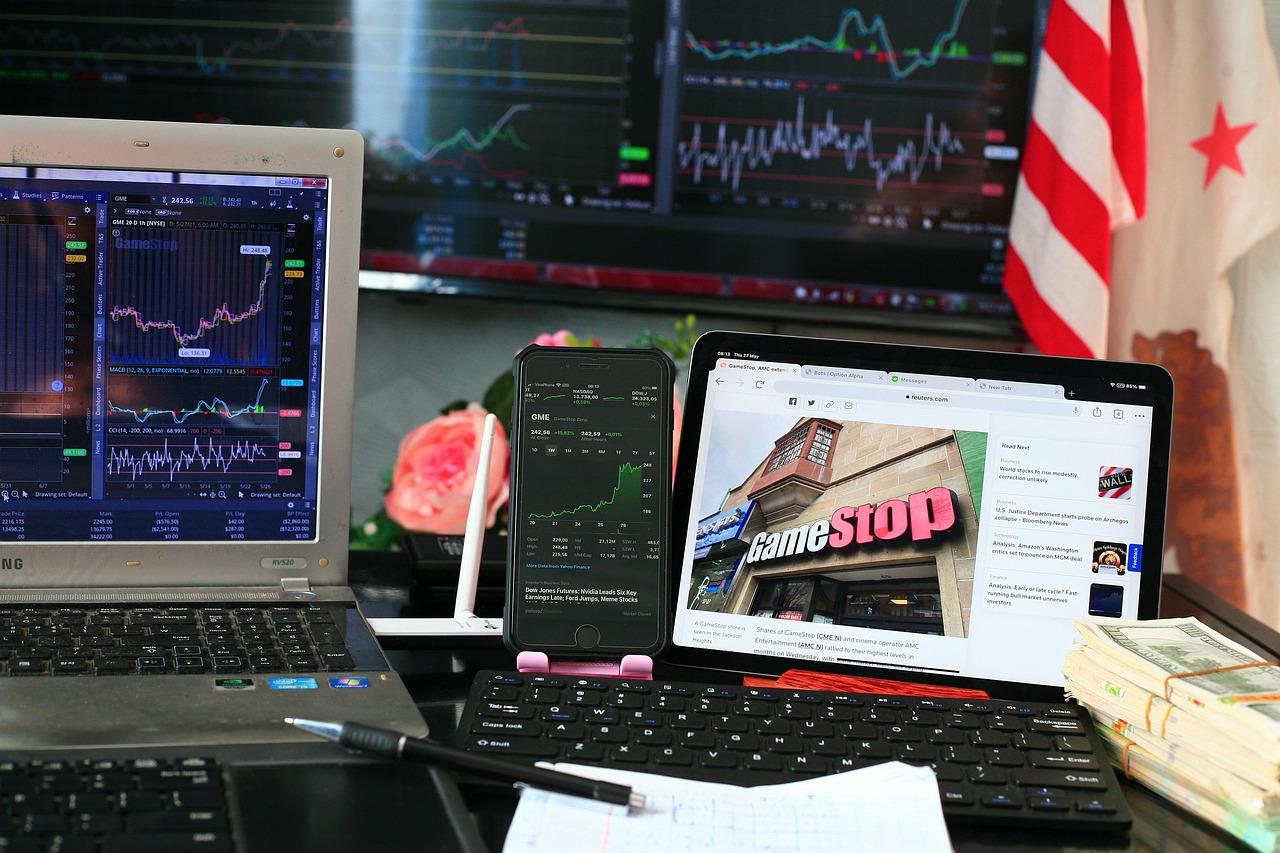
The cover image is illustrative; source: Getty Images.


