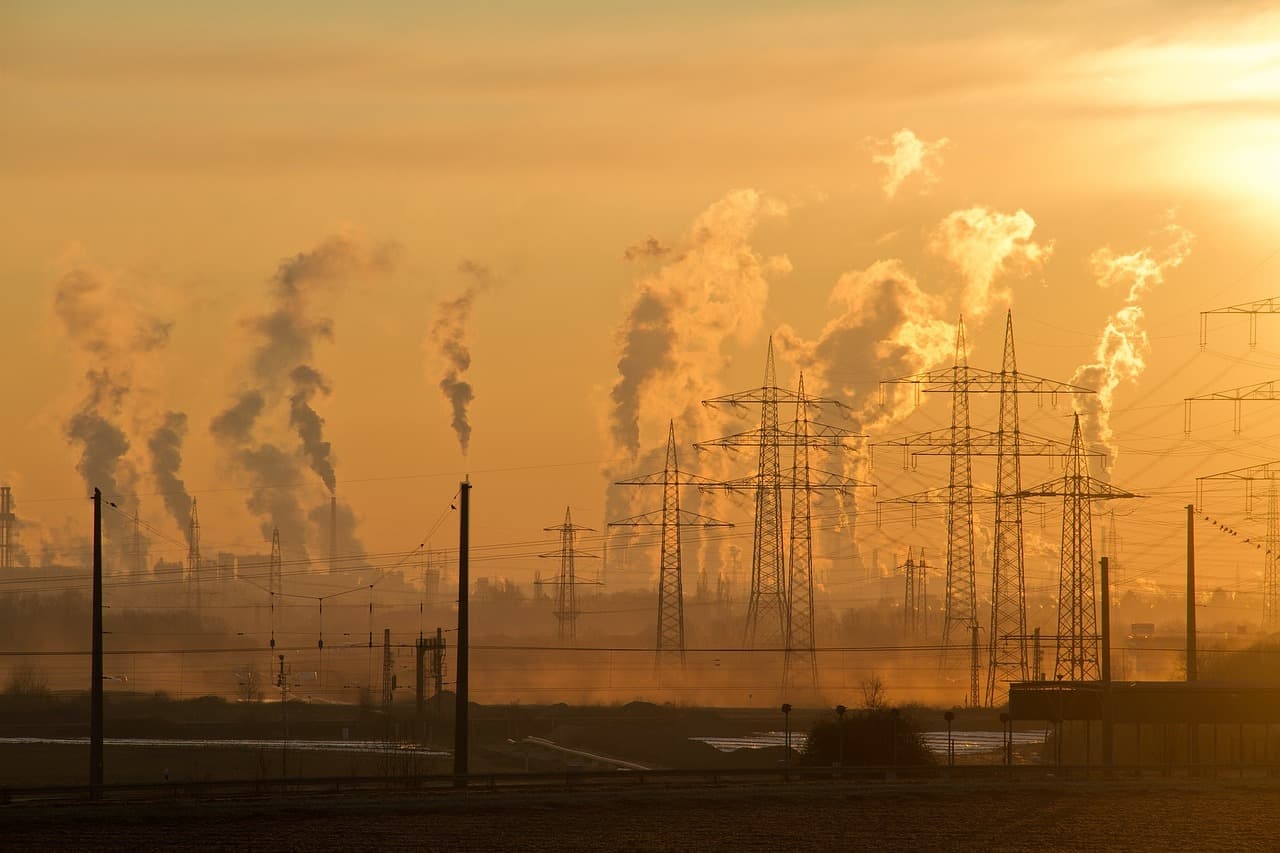
Microsoft, Google and Amazon reported a combined 119 million tonnes of CO2‑equivalent greenhouse gas emissions for the business year ending March 2026, according to the Guardian. That total is roughly one third of France’s emissions and slightly larger than Belgium’s reported 2025 emissions. In 2024 the three companies together emitted 101 million tonnes, an amount comparable at the time to the Czech Republic's emissions.
Scale and causes of the increase
According to their sustainability reports for the 2026 business year, the year‑on‑year increases were: Microsoft up 25%, Google up 18% and Amazon up 16%. The companies attribute the rise primarily to the construction and operation of energy‑intensive data centres needed to support expanding artificial intelligence development and training workloads.
Corporate targets and feasibility concerns
All three firms continue to state ambitions for climate neutrality: Microsoft and Google target 2030, and Amazon targets 2040. Experts cited by the Guardian warn that these goals may be difficult to achieve if emissions are currently rising rather than falling.
Amazon’s sustainability report notes that despite a 16% increase in emissions, the company believes it is on track to implement its carbon‑neutrality plans.
Why this matters
The emissions of major technology companies have reached a scale comparable to that of medium‑sized European countries. The rapid increase in computational demand and the energy required for AI training transforms what might once have been seen as corporate operational issues into matters of international climate significance.
Summary
For the business year ending March 2026, Microsoft, Google and Amazon recorded a combined 119 million tonnes CO2e — a substantial rise from 101 million tonnes the prior year. The growth is largely linked to data centre expansion tied to AI development, even as the companies reassert long‑term carbon neutrality targets.