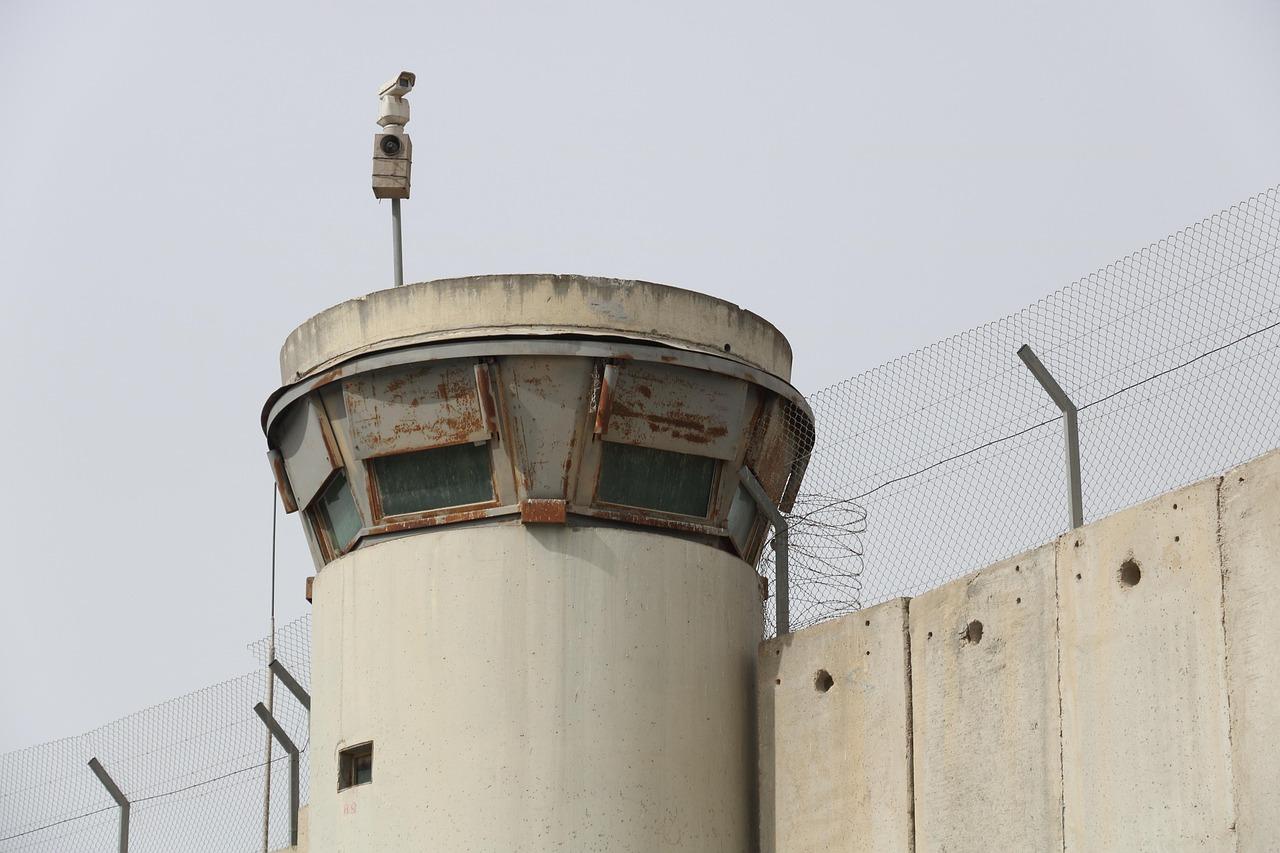
An investigation by MIT Technology Review mapped fatalities near southern‑border surveillance towers and found that more than 1,050 people died within the advertised range of at least one tower between 2015 and early 2026. The analysis—cross‑referencing nearly 4,000 locations of human remains with roughly 600 identified towers and using topographical modeling—shows repeated failures of detection, handoff and response across generations of tower technology, including modern AI‑enabled systems made by Anduril.
A case in point
José Morales Bernal crossed into the United States and walked through the southern New Mexico desert on April 8, 2024, the day before his 32nd birthday. He moved within range of three nearby surveillance towers installed by US Customs and Border Protection (CBP) and built by Anduril, but his body was first noticed by local landfill employees later that day. Agents arrived after being alerted by the landfill workers; Morales was dead. An autopsy attributed his death to environmental exposure. He was found about 360 feet from the closest tower.
How the investigation was done and key findings
MIT Technology Review:
- cross‑referenced nearly 4,000 recovery locations from nonprofit records and public records with data on about 600 towers tracked by the Electronic Frontier Foundation;
- estimated tower installation times and compared them with estimated times of death;
- used topographical analysis to assess whether terrain likely blocked a tower’s line of sight; and
- combined those data with field reporting from the border.
Major findings include:
- More than 1,050 people died within range of at least one surveillance tower from 2015 to early 2026.
- Deaths occurred within the advertised coverage of roughly two‑thirds of the towers analyzed, showing the problem is not limited to a few defective units.
- At least 110 deaths occurred within range of modern autonomous Anduril towers deployed since 2021.
- Some towers have very limited effective visibility—our topographical models estimated that a handful see as little as 10% of their advertised surveillance area—yet most fatalities did not occur in those terrain‑blocked blind spots.
Why the systems fail
The investigation identifies multiple, interacting causes:
- Algorithmic and sensor limits: AI classifiers can miss people or mislabel human groups as animals or unidentified objects; some crossing methods—tarps, nets, submerged motors—can defeat detection. Multiple agents estimated early miss rates of 10–15%.
- Handoff failures: people can be lost when surveillance responsibility is transferred between towers.
- Human and operational constraints: agents monitoring camera feeds are often overtasked, the camera room is unpopular duty, and strategic decisions (e.g., waiting to intercept elsewhere) can delay rescue.
- Resource shortages: during high‑traffic periods, fewer agents are available to respond to alerts.
- Data retention and accountability gaps: tower footage is routinely overwritten after 30 days unless preserved for an active investigation, making it difficult to reconstruct what cameras actually saw in many fatal cases.
Examples from the reporting
- In the Santa Teresa area (El Paso sector) where Anduril towers were deployed in 2021, Morales’s death was one of 19 that year in reach of the same three towers; five decedents were visible from the same nearest tower.
- Del Rio, Texas (2022): a Brazilian family’s river crossing ended in death; topographical analysis indicated multiple cameras had clear views of the crossing site, yet respondents say Border Patrol did not act in time and did not provide surveillance footage for investigators.
- Otay Mountain Wilderness and other sites: young women and men have been found dead within the advertised range of Anduril towers; decomposition and other signs show they had been deceased for days before being discovered.
The tower programs and spending
- The US has built multiple generations of the “virtual wall”: older Remote Video Surveillance System (RVSS) towers, Elbit Systems’ Integrated Fixed Towers (IFTs), and more recent autonomous towers from startups like Anduril.
- According to the reporting, CBP had about 803 towers at one point; a government estimate placed the towers’ lifecycle cost at $6.2 billion, and CBP planned to spend about $1 billion to buy 1,497 more towers by 2034.
- Anduril’s early Sentry towers were rapidly moved from pilot to program of record; CBP had spent more than $98 million by June 2021, and Anduril’s contract was described in reporting as worth up to $1.1 billion.
Oversight, measurement and missing evaluations
The investigation notes a persistent lack of comprehensive internal assessments:
- Officials across multiple administrations told reporters they were unaware of any government‑wide analysis plotting migrant deaths against tower coverage.
- Local practice does not generally require a formal review to determine whether a tower should have detected a person, or if detection occurred, why agents did not reach them in time.
- CBP keeps operational records (GPS locations for apprehensions and sightings and installation logs for towers) that could allow an audit, but those data have not been used to produce a reliable, public evaluation of tower performance.
What this implies
The report argues that technology alone has not solved border‑region humanitarian problems. While surveillance systems sometimes produce actionable intelligence and have been credited by CBP in press releases with saving lives, the mapped deaths show many cases where detection or response failed. The authors and interviewed experts recommend stronger measurement and audit practices, longer data retention of footage, and independent oversight to determine when and why the towers do or do not prevent deaths.
Closing note
MIT Technology Review’s reporting does not conclude that towers are everywhere ineffective; rather, it shows that despite large public investment and deployment of newer AI‑enabled systems, substantial numbers of people have died within the sightlines of these devices. The lack of systematic evaluation and preserved footage makes it difficult to identify whether failures were principally technological, operational, or both, and limits opportunities for accountability and improvement.