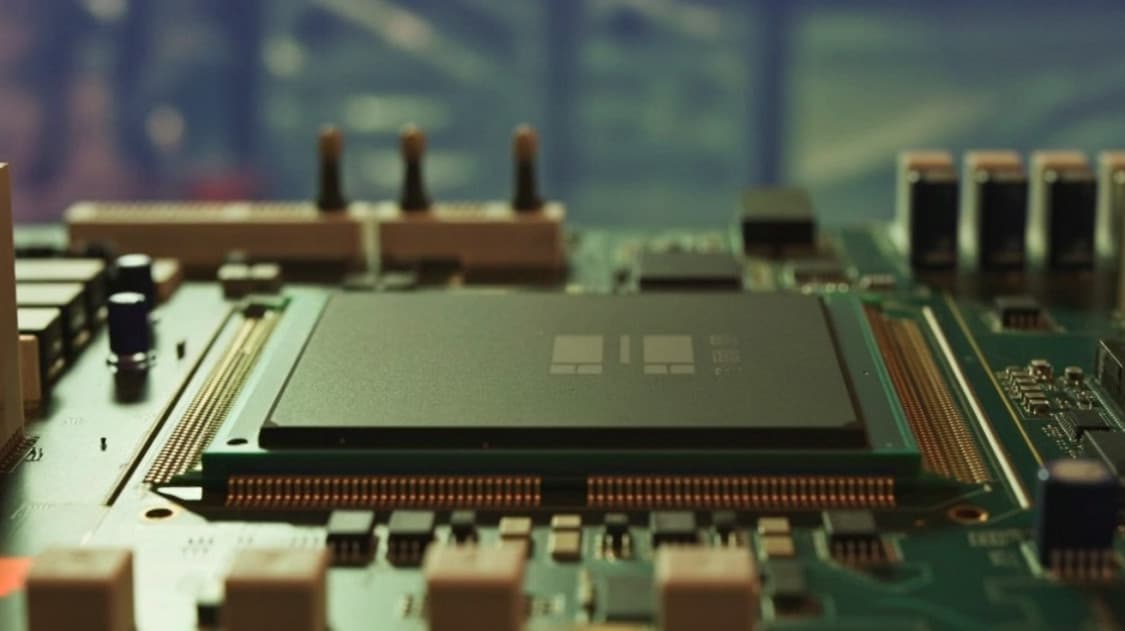
According to Axios, Nvidia and Microsoft are collaborating on Windows PCs that would use CPUs designed by Nvidia. Multiple manufacturers could sell these machines; Microsoft’s Surface line and Dell have been named as potential partners. If realized, this would mark Nvidia’s first entry into the PC market as a central processor (CPU) supplier.
Software to run AI agents locally on Windows
Microsoft is also expected to unveil software that enables AI agents to run locally on users’ Windows machines. Sources say this would be a significant development because most AI computation so far has taken place in the cloud, and rising cloud compute costs are motivating companies to consider local execution instead.
Pavan Davuluri, who leads Windows at Microsoft, posted on X that “something new is coming for developers,” adding that it is not a new operating-system version. Nvidia similarly posted on X on Friday about “a new era for the PC.”
Why this matters for Microsoft
The move is particularly important for Microsoft because earlier PC-focused AI initiatives—most notably the Copilot+ PC—failed to meet expectations. The rollout of the flagship Recall feature was delayed due to privacy concerns, slowing the entire program. A partnership with Nvidia could offer Microsoft a second chance, backed by one of the world’s most sought-after chipmakers.
Nvidia’s role and prior presence in the Windows ecosystem
Nvidia has long been dominant in graphics accelerators (GPUs), especially for AI training workloads, but this would be the company’s debut as a central CPU vendor in the PC market. It is not entirely new to Windows hardware: in 2012 Microsoft’s Surface RT tablets used Nvidia chips, though those tablets did not represent a central-CPU market entry.
Axios reports that Nvidia has been working on this entry for years, and that a public unveiling now appears imminent.
Potential impact on the ARM-based ecosystem and Qualcomm
Analysts say Nvidia’s arrival could strengthen the ARM-based PC ecosystem. Carolina Milanesi of Current Strategies argues that Nvidia’s presence could indirectly benefit Qualcomm: both Nvidia and Qualcomm use ARM-based architectures as alternatives to Intel’s and AMD’s x86 solutions. Qualcomm has struggled to gain meaningful PC market share despite good battery-life performance, partly because developers and companies saw little reason to reallocate resources to a minority Windows platform.
As a second major player, Nvidia could provide enough incentive to broaden software support, improving prospects for ARM-based players overall.
Conclusion
Axios’s reporting suggests a notable shift in the PC landscape: Nvidia-CPU Windows machines and Microsoft software to support local AI agents could be on the way. The move could reshape how PCs handle AI workloads, give Microsoft another opportunity after the troubled Copilot+ PC rollout, and bolster the ARM-based ecosystem — with potential indirect gains for Qualcomm.