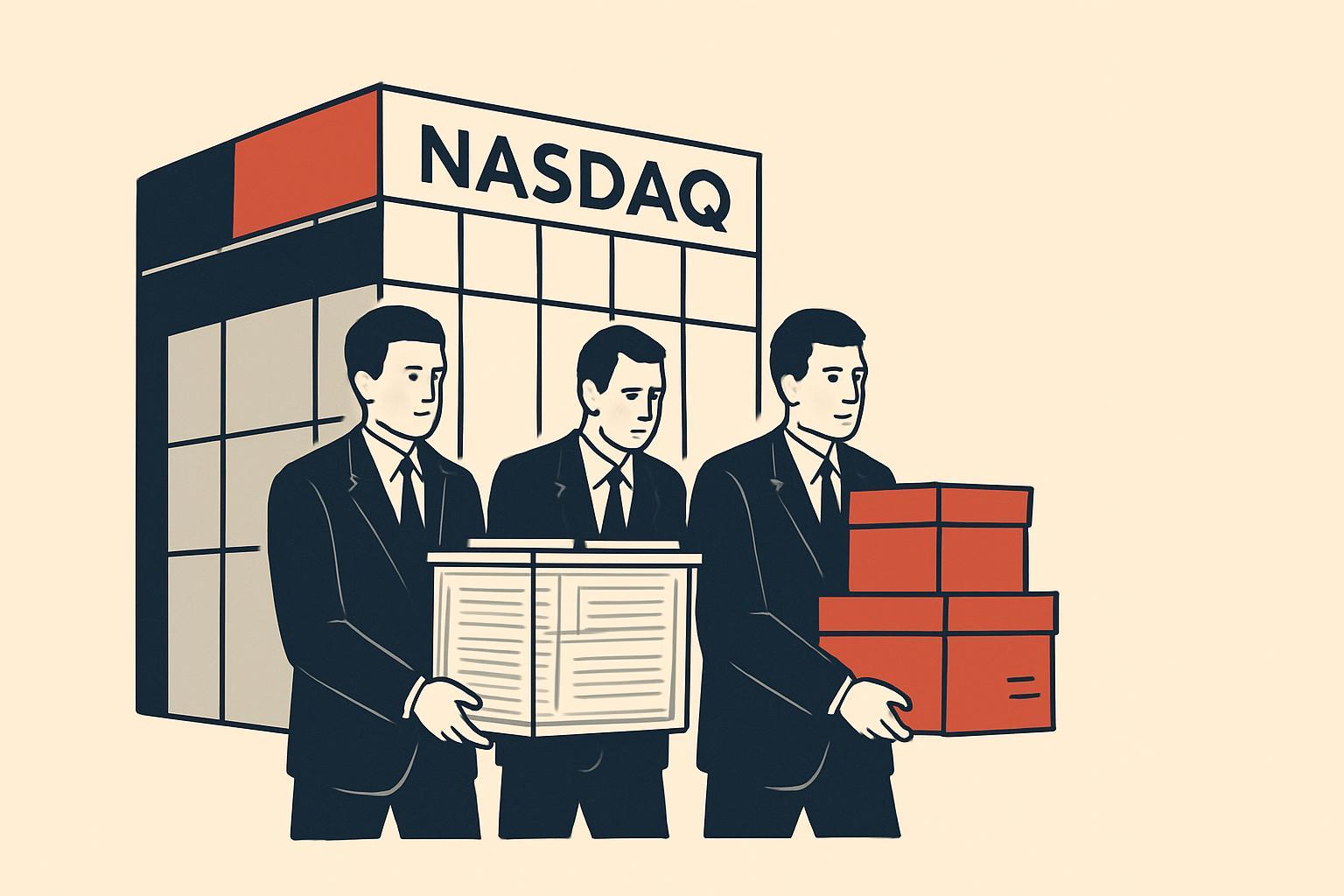
The recent sell-off in AI-related stocks has produced substantial paper losses for several sovereign wealth funds, including those in the Gulf: listed portfolios have fallen by about $30.5 billion since the end of June. Consultancy GlobalSWF estimates that sovereign wealth funds and public pension investors worldwide have approximately $335.5 billion of exposure to AI companies.
Who lost the most?
- Mubadala Investment Company (Abu Dhabi): Publicly disclosed holdings suggest Mubadala’s portfolio may have declined by around $17.5 billion, largely attributable to a drop of more than 50% in chipmaker GlobalFoundries’ share price.
- Public Investment Fund (Saudi Arabia): The PIF’s exposure to AI is estimated to have fallen in value by about $5.64 billion, a decrease mainly linked to its stake in SpaceX.
Gulf sovereign funds have been significant participants in AI financing both at home and internationally, backing companies in private funding rounds and continuing to support them as they listed on public markets. That dual role increased their sensitivity to the sector’s downturn.
Analyst view and outlook
Daniel Brett, head of research at GlobalSWF, said he would not expect strategic investors to retreat wholesale from AI. He added that lower valuations could create opportunities for long-term funds to increase exposure selectively, although this does not imply an imminent rebound.
Why this matters
Sovereign wealth funds are influential players in global capital markets; their investment decisions can affect funding conditions for technology companies, including those in AI. The current declines are primarily book losses, and analysts note that strategic objectives—such as supporting technology ecosystems and seeking long-term returns—are likely to remain influential drivers of these funds’ behaviour.
Points to watch
- Whether sovereign funds become net buyers in the coming months, which could support AI companies’ valuations.
- How public equity prices and private market valuations evolve, indicating whether the pullback is a temporary correction or a more sustained repricing.
The GlobalSWF-based figures underscore that volatility in the AI segment affects not only technology firms but also major state-backed investors. The next moves by these funds will be important for the sector’s trajectory.