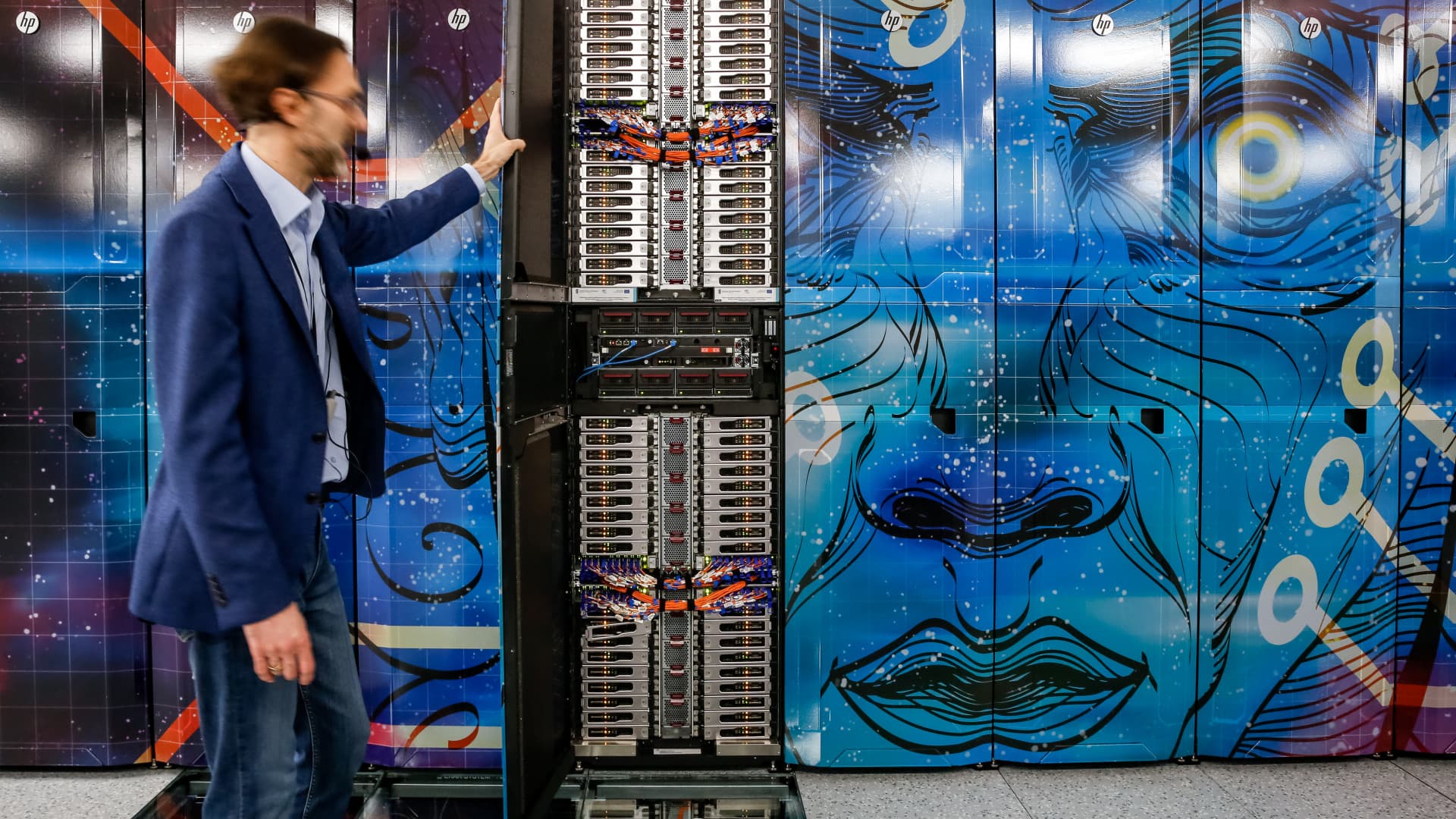
The Organisation for Economic Co‑operation and Development (OECD) warned in its 2026 outlook that the expansion of artificial intelligence (AI) — long premised on abundant and relatively cheap electricity and uninterrupted global supply chains — faces direct threats from geopolitical tensions in the Middle East. The report argues that an extended conflict involving Iran and related energy shocks would not only raise costs but could create physical constraints on the growth of AI infrastructure.
Main warnings from the OECD
- The OECD highlights that electricity is a major component of data‑centre operating expenses: according to its data, power accounts for roughly 60 percent of data centres' OPEX. Rising power prices therefore directly weaken the return on investment for new facilities.
- In countries and regions whose grids rely heavily on imported fossil fuels, spikes in oil and gas prices feed immediately into the costs of the technology sector.
Why the Middle East matters for manufacturing and energy
Chip production and advanced hardware manufacturing are highly energy‑ and input‑intensive. The OECD notes:
- Advanced lithography, continuous cooling of clean rooms and precision production lines require large, stable energy supplies.
- Production of semiconductors depends on certain petrochemical inputs and specialty industrial gases that are largely sourced from the Middle East. For example, helium obtained as a by‑product of LNG and gas production in Qatar accounts for more than 35 percent of global exports, and this gas is essential for parts of chip manufacturing.
- A closure of the Strait of Hormuz could therefore itself impose supply constraints on advanced chips.
Logistics and value‑chain bottlenecks
AI hardware components move through complex, cross‑border global value chains. The OECD warns that Middle East tensions — and congestion in chokepoints such as the Red Sea and the Persian Gulf — have pushed up maritime and air freight costs and extended delivery times, directly increasing the logistics costs of materials and equipment needed for data centres.
Regional investment ambitions at risk
Gulf states seeking to convert energy market dominance into technology leadership — notably the United Arab Emirates and Saudi Arabia — have planned and financed massive, multi‑gigawatt data‑centre campuses in recent years. The OECD cautions that prolonged conflict could halt or delay these projects, slowing the global expansion of AI computing capacity.
Incidents already occurred
The report underlines that the threat is not only theoretical: in March 2026, web hosting centres in the United Arab Emirates and Bahrain were struck by drone attacks that caused physical damage to infrastructure and temporarily disrupted regional cloud services.
Implications and recommended responses
The OECD concludes that AI is tightly bound to the physical world — heavy industry, global logistics and above all fossil‑fuel markets. If policymakers and technology firms do not accelerate energy‑supply diversification, improve data‑centre energy efficiency, and decouple critical hardware supply chains from geopolitical chokepoints, the Middle East energy crisis could impose a lasting brake on the digital revolution.
The risks highlighted in the OECD's 2026 analysis could materially affect investment decisions in the technology sector and the pace at which global AI capacity grows, particularly if tensions in the Middle East persist.