Major technology companies — including Apple, Meta, Google and Samsung — are increasingly investing in wearable devices that use artificial intelligence (AI) to deliver services directly into users’ field of view or onto their bodies. Although these products are not yet widespread in everyday life in markets such as Hungary, developments indicate an emerging market segment that could significantly change how people interact with digital services in the coming years.
Who is building what?
References in Apple’s operating system source code to a camera‑equipped device have sparked industry expectations that the company is developing an AI‑driven smart glasses product, though Apple has not released official details. Meta already offers commercial camera‑equipped, AI‑assisted glasses. Google is building an ecosystem around the Android XR platform, and Samsung is reported to be working on intelligent glasses as well. Other manufacturers such as Huawei, Xiaomi and Honor are pursuing their own chips and AI‑based ecosystems.
These companies aim to create wearables that continuously sense the user’s environment: cameras, microphones and speakers working with cloud AI to provide immediate answers, guidance or information. The long‑term objective is for AI to be more than a standalone app — to function as a continuously available digital assistant that sees, hears and interprets context.
How daily life could change
The technology could alter many everyday scenarios:
- Navigation and orientation: while walking, smart glasses could recognize buildings or landmarks and overlay navigation directions in the user’s field of view.
- Real‑time translation and communication: abroad, systems could translate signs or live conversations, reducing the need to take out a phone.
- Home tasks and repairs: cameras can identify available ingredients and suggest recipes, assist with furniture assembly or guide the user through appliance setup and repairs by identifying parts and providing step‑by‑step instructions.
- Workplaces: logistics workers could receive direct guidance for moving goods; technicians could access technical documentation while working; office employees could generate automated notes, meeting summaries or task lists via AI.
- Education and entertainment: a single glance could produce explanations for a problem or diagram, while augmented‑reality experiences could present live statistics and background information.
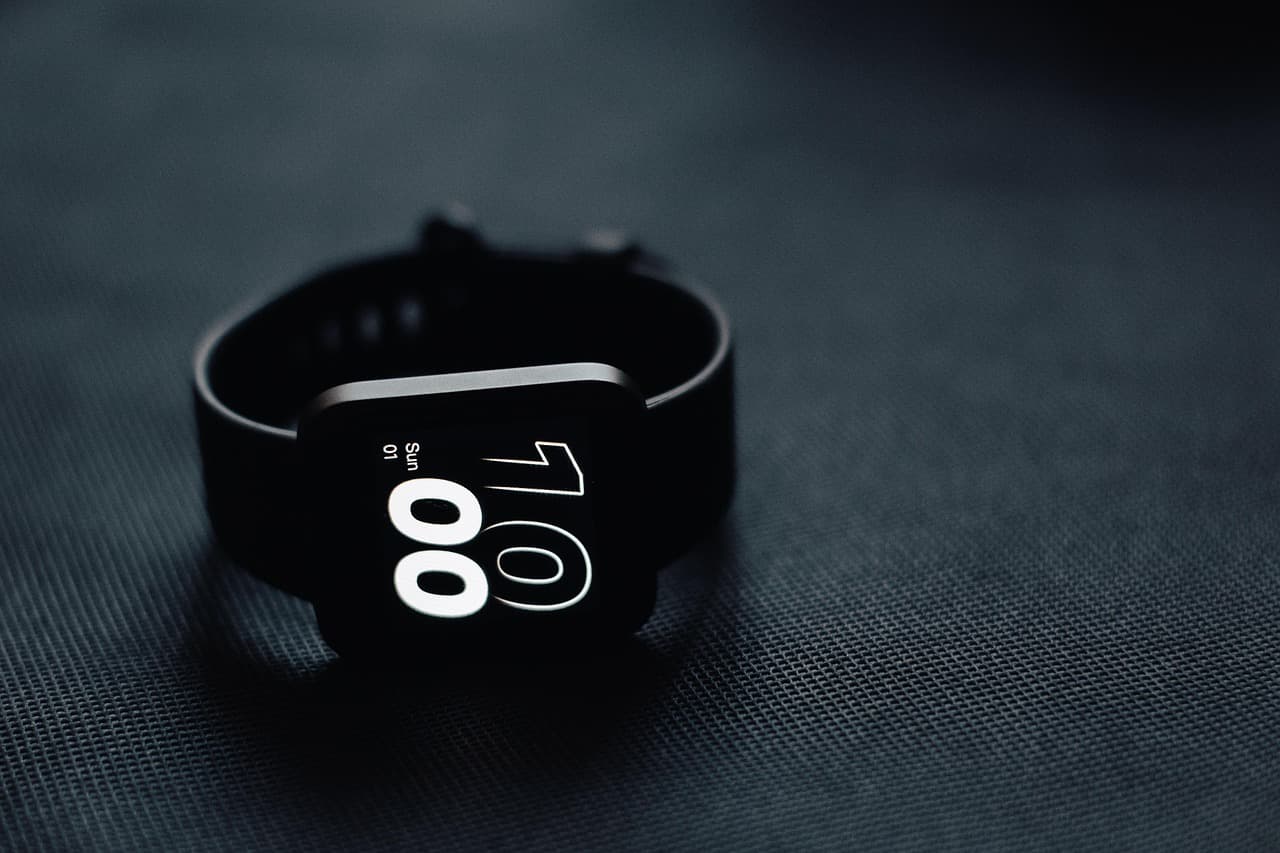
- Health tracking: paired with smartwatches and smart rings, smart glasses could help monitor activity, heart rate, sleep and other metrics, enabling AI to offer personalized lifestyle suggestions.
Technological and social challenges
The spread of wearable AI depends not only on hardware and software advances but also on social conditions. Constantly operating cameras and microphones raise data protection and privacy concerns that are likely to become central to public debate. User acceptance of ever‑present digital assistants is another unanswered question.
Development trajectories suggest leading companies are no longer asking whether such devices are needed but which firm can make them a natural part of everyday life first. The competition is shifting away from pure hardware improvements like faster processors or better cameras toward AI services, device interconnection and ecosystem building.
When might mainstream change arrive?
Market signals support this shift: although early 2026 expectations suggested AI could reinvigorate the smartphone market, by the second half of 2026 many new phone models brought only incremental changes. Manufacturers are increasingly focusing R&D on next‑generation hardware and AI ecosystems. The reporting notes that around 2027 the race to establish the next platform may intensify as companies push wearable, AI‑centered devices into everyday use.
In sum, AI‑equipped wearables — especially smart glasses — promise to complement or, in some tasks, supplant the smartphone by providing a continuous, context‑aware digital assistant. Alongside the potential benefits, privacy, social acceptance and integration challenges will shape how quickly and in what form these devices become part of daily life.