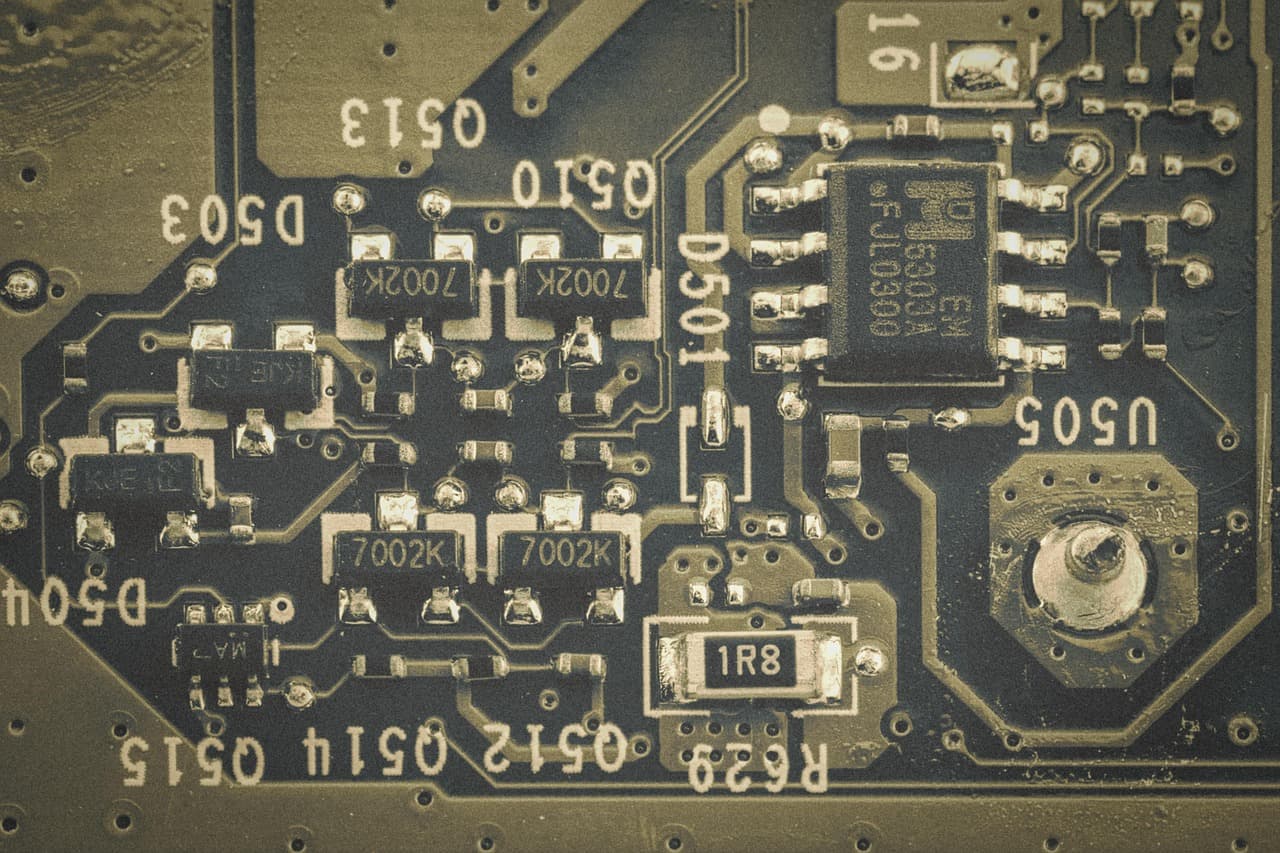
OpenAI has introduced its first in-house chip, called Jalapeño, developed in partnership with Broadcom. The chip is an ASIC (Application-Specific Integrated Circuit), meaning it is designed and optimized for a specific task — in this case, serving artificial intelligence workloads in servers.
The announcement comes roughly nine months after OpenAI disclosed its partnership with Broadcom to produce custom chips. That collaboration aims in part to reduce OpenAI’s reliance on Nvidia, whose chips are in high demand and available only in limited quantities.
Performance claims and deployment timeline
Hock Tan, Chief Executive Officer of Broadcom, told Reuters that the Jalapeño matches the performance of Nvidia’s Blackwell chips and Google’s Tensor processors. OpenAI said it is still measuring the chips’ precise performance; based on early tests the company believes Jalapeño is "significantly better" than current top-tier chips.
OpenAI described Jalapeño as the first step of a "multi-generation compute platform" and expects to deploy the platform by the end of 2026. The announcement did not provide manufacturing volumes or pricing details, and OpenAI continues to evaluate the chips’ real-world performance and reliability.
Why this matters
Developing proprietary chips is a strategic move for companies running large-scale AI services: it can reduce dependence on external suppliers—especially Nvidia—and enable more cost- and energy-efficient solutions for model serving. If the early performance claims hold up, Jalapeño could affect data-center supply chains and the cost structure of AI services.
Overall, the joint OpenAI–Broadcom chip signals a deepening partnership in AI hardware development and may mark the beginning of a shift away from the prevailing model that relies heavily on commercial GPUs.