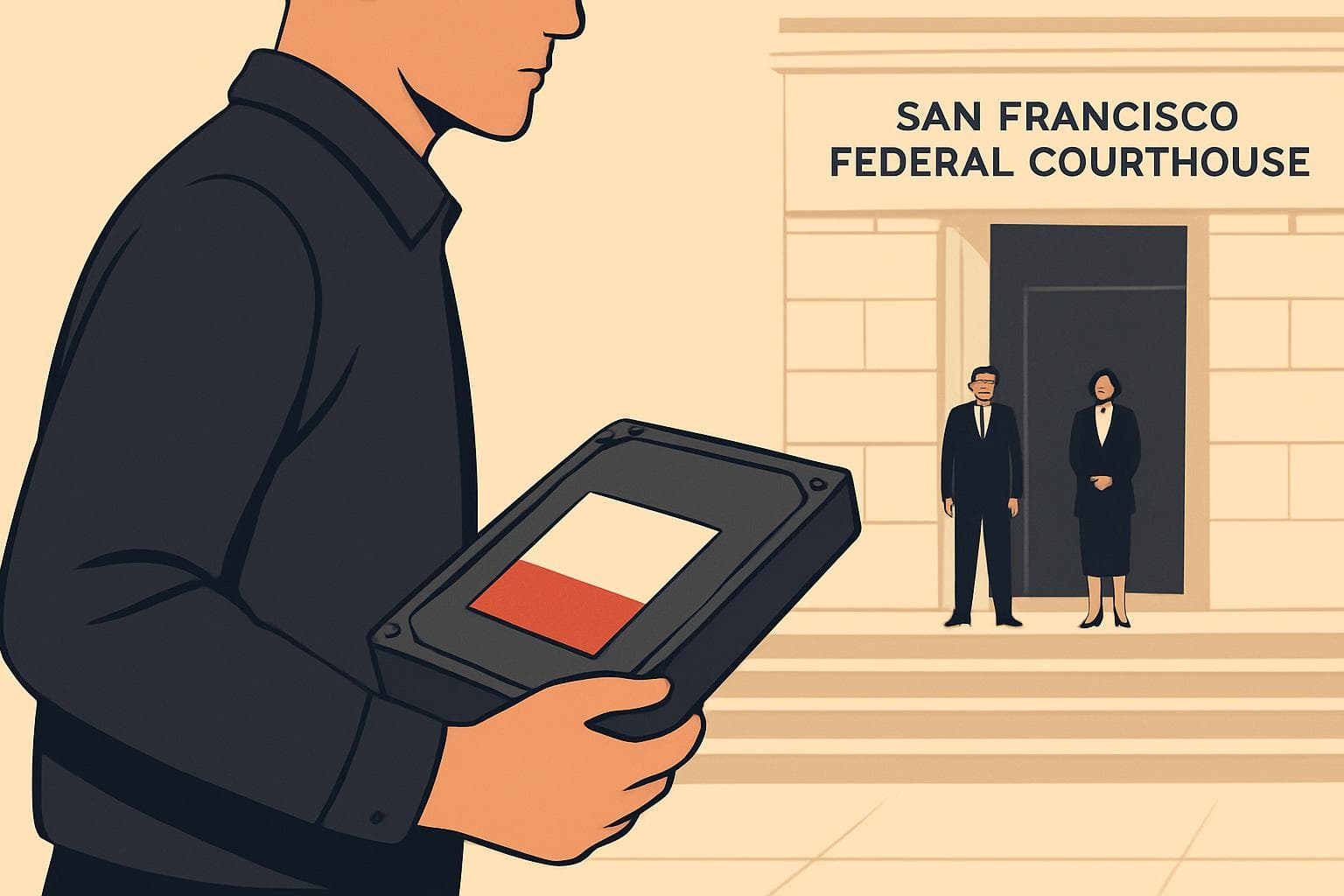
A trade-secrets dispute between OpenAI and Apple has taken a new turn after OpenAI filed a court brief alleging that a former employee transferred more than 100 files about an unreleased OpenAI product to a personal account before joining Apple, and later presented those materials to Apple management.
The filing was submitted in the U.S. federal court in San José, California. OpenAI says the presentation occurred months ago and notes that Apple has since been developing its own AI products, citing the HomeView product that was released this week as an example.
OpenAI expressed concern that its trade secrets and confidential information may have reached Apple engineers and could have influenced the company’s in-development products.
Apple denies allegations, internal review finds no evidence
Apple has rejected the accusations. The company stated it has internal policies to prevent newly hired employees from using confidential information from prior employers, and that its internal investigation has so far uncovered no evidence supporting OpenAI’s claims.
In an October 12 letter that was also made public, Apple’s lawyers noted that the two personal phone numbers identified by OpenAI do not match the number used by the employee at Apple, making it unlikely Apple accessed data sent to those numbers. Apple added that its internal review of the employee’s storage did not find OpenAI files and that it had no knowledge of the alleged presentation.
Apple requested further information from OpenAI; rather than respond directly, OpenAI took the matter to the court.
Procedural developments and judge’s order
This dispute forms part of a broader set of trade-secrets claims previously filed by both parties. Earlier this year Apple sued, alleging former employees took confidential materials to OpenAI’s hardware division, a claim OpenAI has denied.
This week U.S. District Judge Edward Davila partially granted Apple’s request for expedited access to certain former employees’ digital devices and authorized subpoenas for three witnesses, including the two named defendants in the suit, Csang Liu and Tang Jev Tan.
The trial is tentatively scheduled to begin in October 2027, although OpenAI has said it could be ready as early as June 2027.
Why this matters
The case highlights tensions around intellectual property and employee mobility within the fast-moving artificial intelligence sector. The outcome may affect how tech companies enforce internal policies, handle hiring, and protect sensitive information in an environment where product development is rapid and competition is intense.
(Source: Reuters)