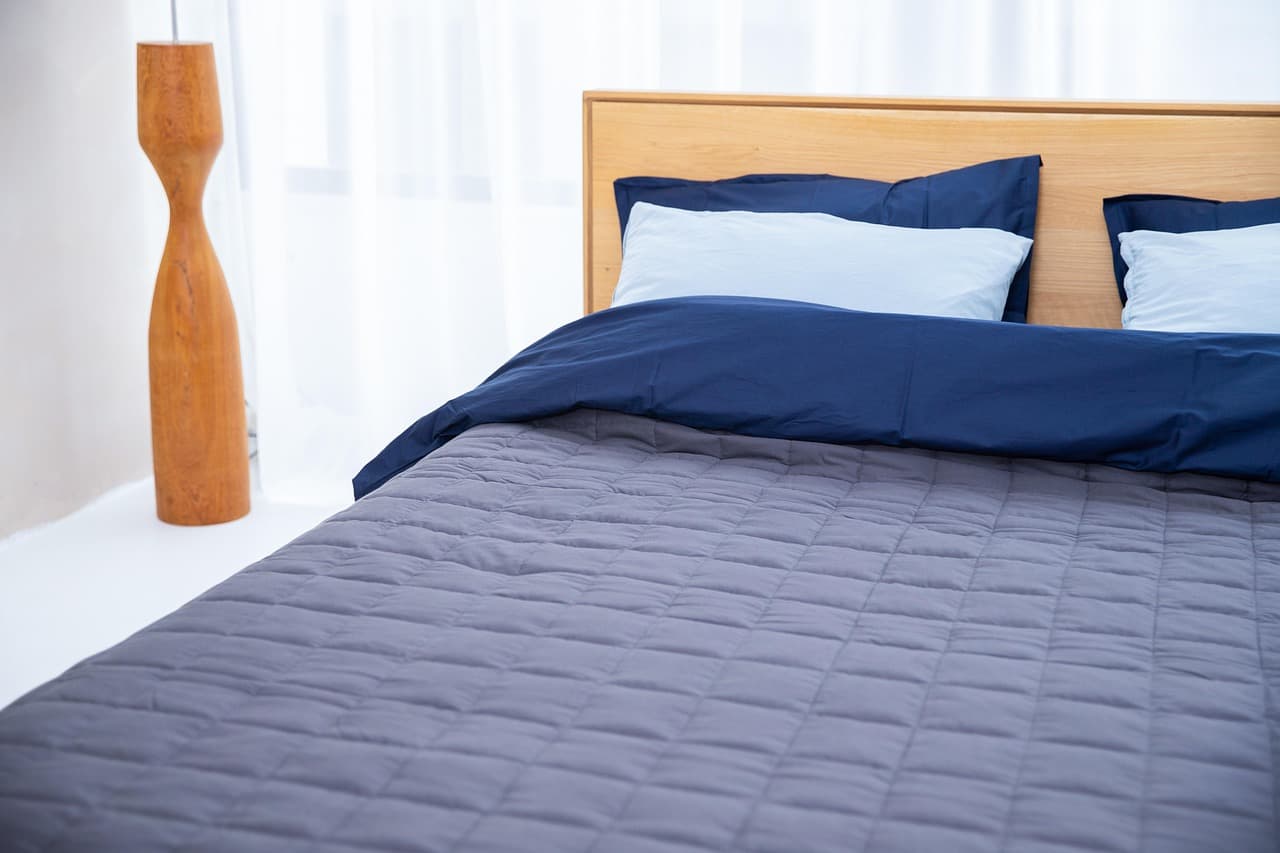
Orion Sleep offers a mattress pad with active cooling and AI‑driven temperature adjustments that retails for $2,195. The company says the system learns from a user’s sleep data to change temperature during the night, with the goal of reducing awakenings and improving overall sleep quality.
What the product actually is
The system consists of a plush mattress pad that connects via tubes to a control tower. The tower—into which users pour water—handles the cooling. By default the pad begins cooling around the bedtime you set in the app, continues cooling as you fall asleep, and then returns to room temperature near your wake time to make getting out of bed easier.
Setup and everyday use
Although it arrives in two large boxes, setup is straightforward: assemble the pad and tower, pour water into the tower, and complete the app setup flow. In months of use the reviewer did not need to refill the water, which they described as impressive. The system supports two separate zones for couples so each side can follow its own cooling schedule. Beyond that, maintenance is infrequent and the main daily benefit is climbing into a consistently cool bed.
AI claims and effectiveness
Orion frames its product’s AI as learning from individual sleep data to modulate temperature and maximize sleep quality. The reviewer found the pad noticeably comfortable—comparing it to always sleeping on the “cool side” of a pillow—but questioned how necessary or impactful the AI features are relative to the product’s high price.
Data and security considerations
The device collects detailed sleep metrics (time spent in light sleep, deep sleep, REM, wakeups, tossing and turning) that are typically processed in the cloud. That introduces an inherent risk that depends on the security of the services and any third parties involved. Founder Harry Gestetner says Orion invests heavily in security, but users should be aware that transmitting intimate health data to the cloud carries potential exposure.
Price, alternatives, and who it’s for
The reviewer said they personally would not pay $2,195 for the Orion, though they acknowledged a high‑earner in Silicon Valley might feel differently. Orion’s price is lower than competitor Eight Sleep’s $3,000 model, but still positions it as a premium purchase. The reviewer also noted that a $59 product called Brick had delivered a comparable improvement in sleep by helping limit phone use before bed—an inexpensive intervention that also improves sleep but addresses a different problem.
Company background and future plans
Orion’s founder, Harry Gestetner, is 26 and previously sold Fanfix, a creator monetization platform, for an estimated $65 million at age 22. Gestetner says his struggles building Fanfix and subsequent health issues motivated an interest in longevity and better sleep. He also told the reviewer Orion aims to produce a much cheaper version in the future, targeting a roughly $500 product; he likened the current high‑end model to a Tesla Roadster and the planned affordable model to a Model 3.
Bottom line
The Orion mattress pad appears to deliver a cooler, more comfortable night’s sleep and brings an appealing set of connected features. Prospective buyers should weigh those benefits against the $2,195 price and the usual cloud‑related data‑security considerations. Orion seeks to broaden access over time, but today the product remains a premium option.


