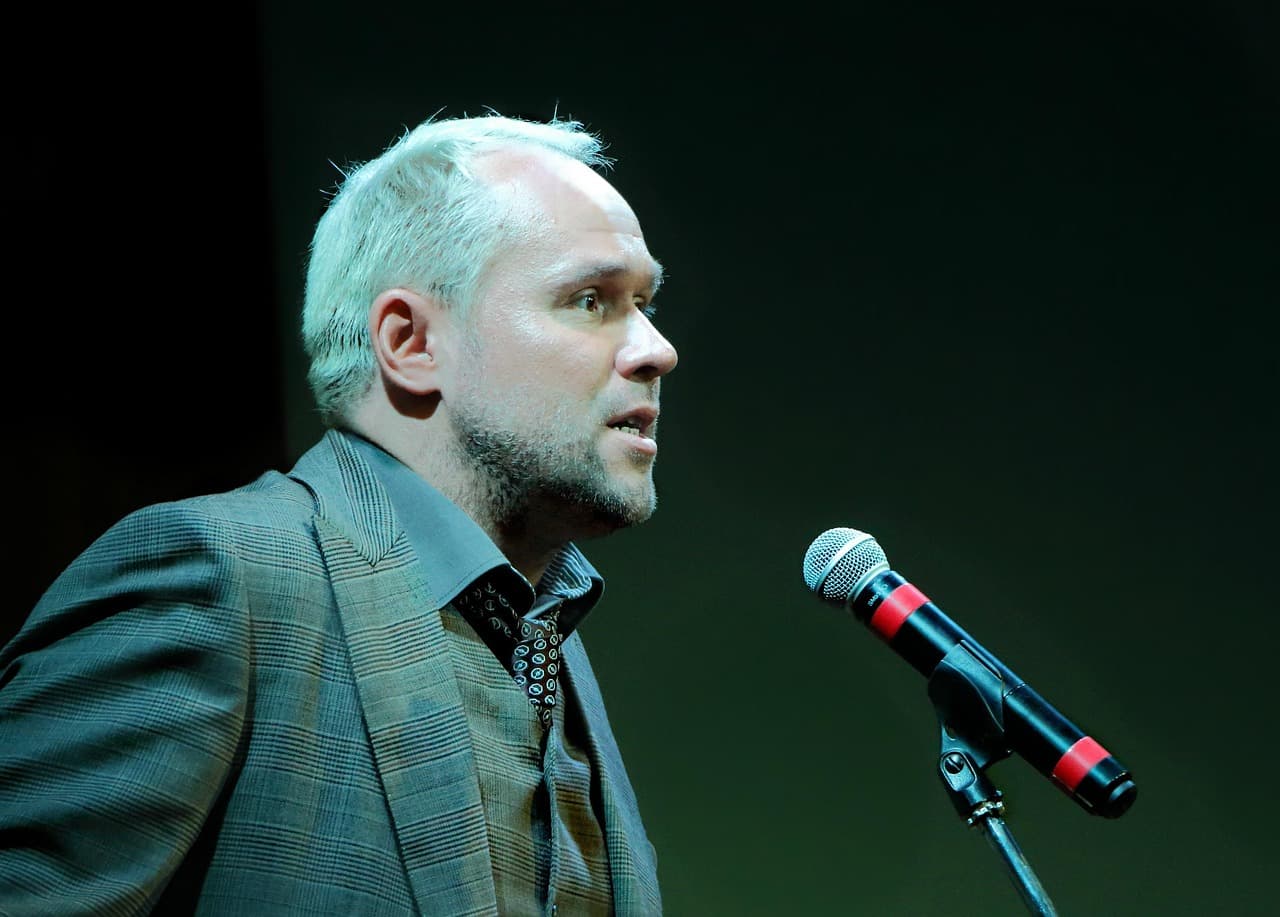
In a recent Relentless interview Sam Altman said, "we are in the singularity, this is the moment." A short clip from the conversation spread quickly on X and sparked debate across social and professional communities.
The technical claims being cited
The discussion pointed to a string of recent outcomes: according to the account, reasoning models have reportedly falsified the 87-year-old Jacobian conjecture, resolved an 80-year-old graph-theory problem, and clarified quantum-information proofs that had stumped specialists—some in under two hours. Altman also claimed in the interview that working scientists are already two to three times more productive when using these models.
"Singularity" as packaging rather than a measurable event
While the technical results are described as real, the article argues that "Singularity" serves as packaging. Altman simultaneously characterized progress as gradual, with no sharp threshold or sudden discontinuity. Framing the moment as "we're in it now" makes the claim difficult to retroactively prove or disprove, and there is no accepted laboratory metric for declaring a singularity.
Financial and PR incentives behind the narrative
The piece emphasizes that the singularity narrative can reframe a capital-hungry startup losing product ground to rivals into humanity's final invention. In that context, scientific advances become collateral supporting a broader fundraising story: the science provides gravitas while the narrative helps secure investment.
Conclusion
Concrete technical advances and productivity gains may be real, but describing them as a singularity is currently more of a rhetorical and financial strategy than a community-backed, measurable scientific milestone. The term functions as part of a communications and capital-raising approach that situates technological progress within a grand historical claim rather than as a clearly defined, empirically bounded event.