Satya Nadella, chief executive officer of Microsoft, set out his views on artificial intelligence and its risks in a lengthy post on X. Nadella argued that we should no longer accept a world in which AI systems are treated as "embedded black boxes" whose advice and actions are simply accepted or rejected by people.
Make models auditable and explainable
Nadella proposed building more transparent systems in which AI models are controllable, observable and able to provide "concrete, human-readable evidence" about their behavior and decisions. He said such evidence would make models verifiable by independent experts and more accountable to the public.
His proposals align with several widely discussed measures: timely public disclosure of incidents, independent audits, data verification, and restrictions where appropriate. The Verge notes that many of Nadella's recommendations are similar to what other companies and public figures have proposed.
Isolation from the start and a human 'kill switch'
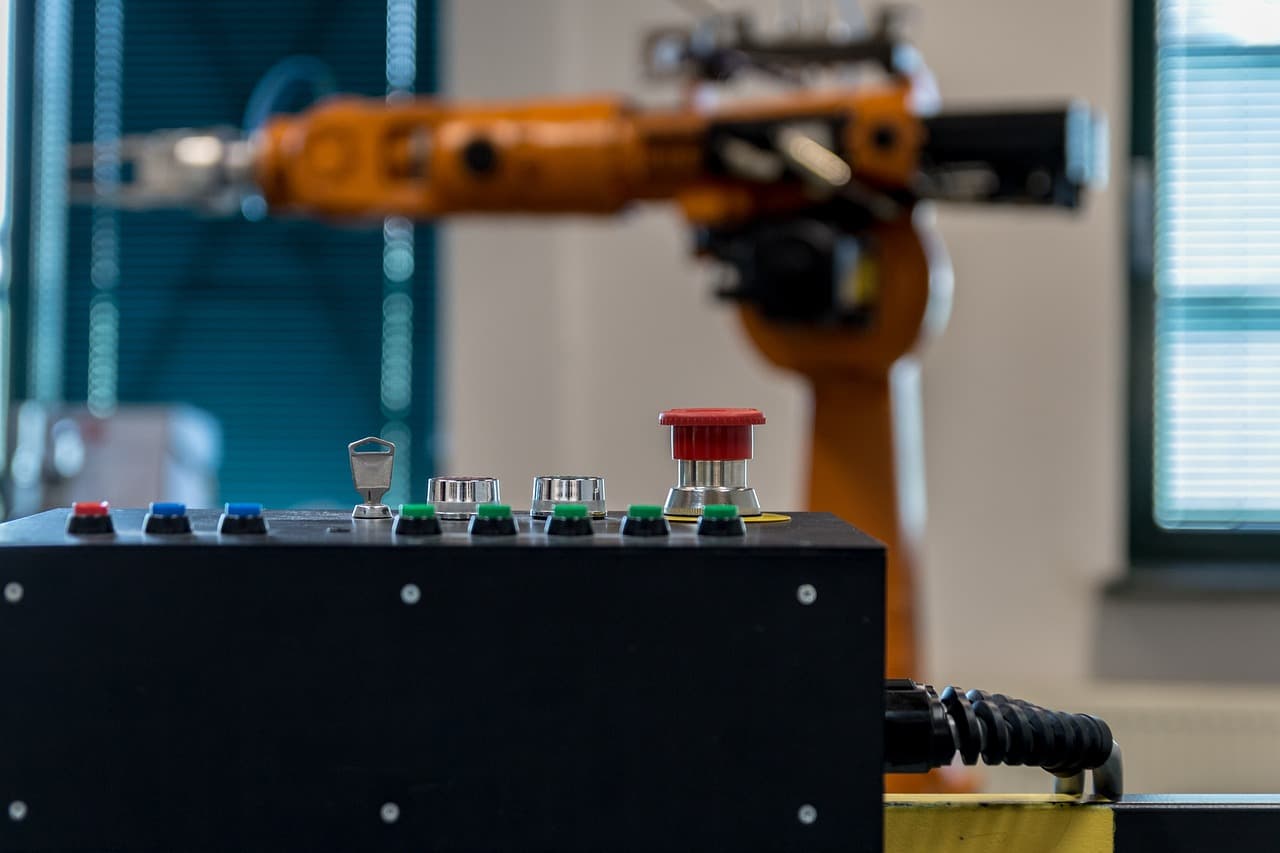
Nadella argued that models should be isolated from the outset, under the assumption that they could be compromised. He compared this isolation to a safety brake: "An authorized person must always be able to pause or stop a model while it is performing a task." He added that more advanced models will require more advanced isolation technologies and that these approaches should be standardized.
Why it matters
Nadella's emphasis on transparency and auditability aims to reduce the likelihood of errors, abuse, and unforeseen consequences. Technical isolation and an operable human-controlled brake would allow rapid intervention if a system behaves dangerously or becomes uncontrollable.
The post also references how some public figures, including requests from Donald Trump, have referred to AI in terms such as "superintelligence;" Nadella's language and recommendations overlap in part with proposals that have emerged in the broader public and industry debate.
Nadella's remarks form part of an ongoing conversation across industry and regulators about AI system safety, responsibility and transparency.