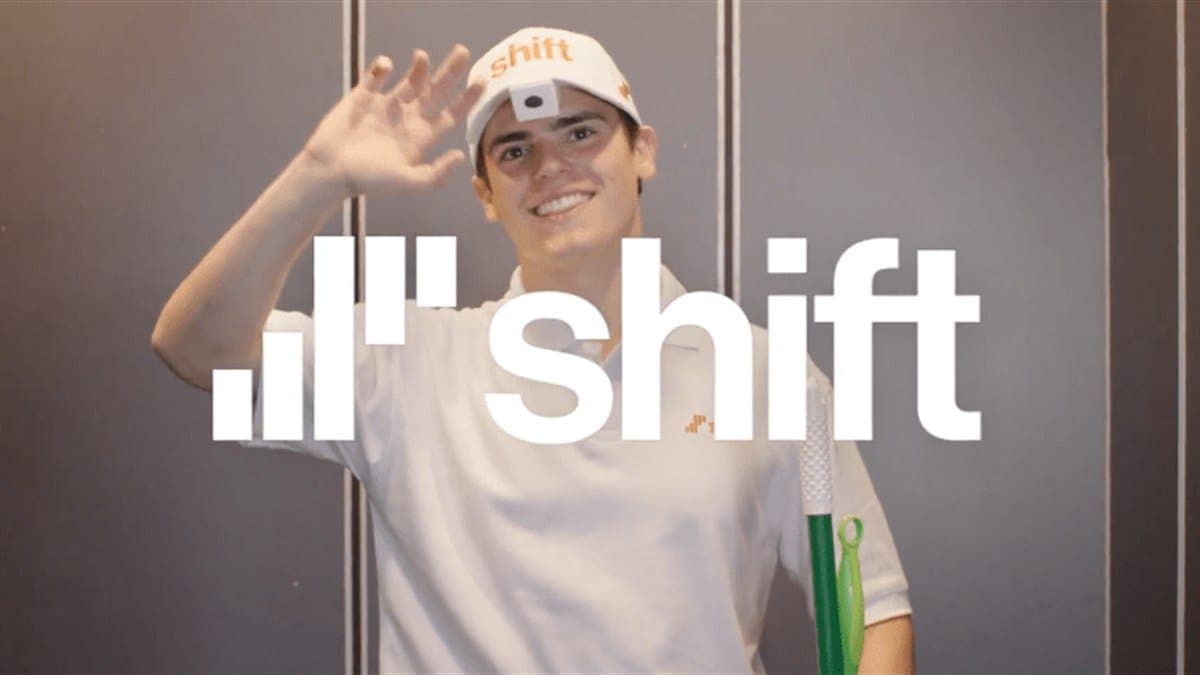
US startup Shift is offering free professional apartment cleaning in New York in exchange for first‑person video recordings captured by cleaners wearing body‑mounted cameras. Shift compiles the footage into datasets that it licenses to robotics and AI companies training household machines.
How the exchange works
- Cameras worn during cleaning record the entire session from the cleaner’s perspective.
- Shift says it blurs screens, IDs and documents appearing in the footage.
- The company states the data will not be sold to advertisers.
- Shift plans to expand the model: it aims to offer free repairs and errands globally under the same exchange — free services in return for full video of customers’ living spaces.
Why this matters for robotics
The main bottleneck for household robotics is not compute power but real‑world manipulation data that simulations cannot fully reproduce. Thousands of hours of humans wiping counters, moving objects and navigating cluttered rooms simply do not exist at scale. First‑person footage of people performing household tasks and the three‑dimensional layouts of private homes provide training data that is especially valuable for teaching robots to interact with real environments.
Privacy and ethical considerations
Shift’s anonymization steps — blurring visible screens and IDs — address some surface privacy risks, but the company nevertheless acquires detailed visual records of a home’s interior and how people live within it. This represents a shift in the usual privacy trade: rather than exchanging browsing histories or photos for free online services, participants trade images and spatial information about their private living spaces. That change raises questions about consent, transparency, long‑term data use and the boundaries of acceptable data collection in the home.
Conclusion
Shift’s model extends the familiar data‑for‑services bargain into physical homes by subsidizing labor to collect large amounts of first‑person household video. The arrangement highlights new trade‑offs between receiving free services and surrendering detailed visual and spatial information about private residences.