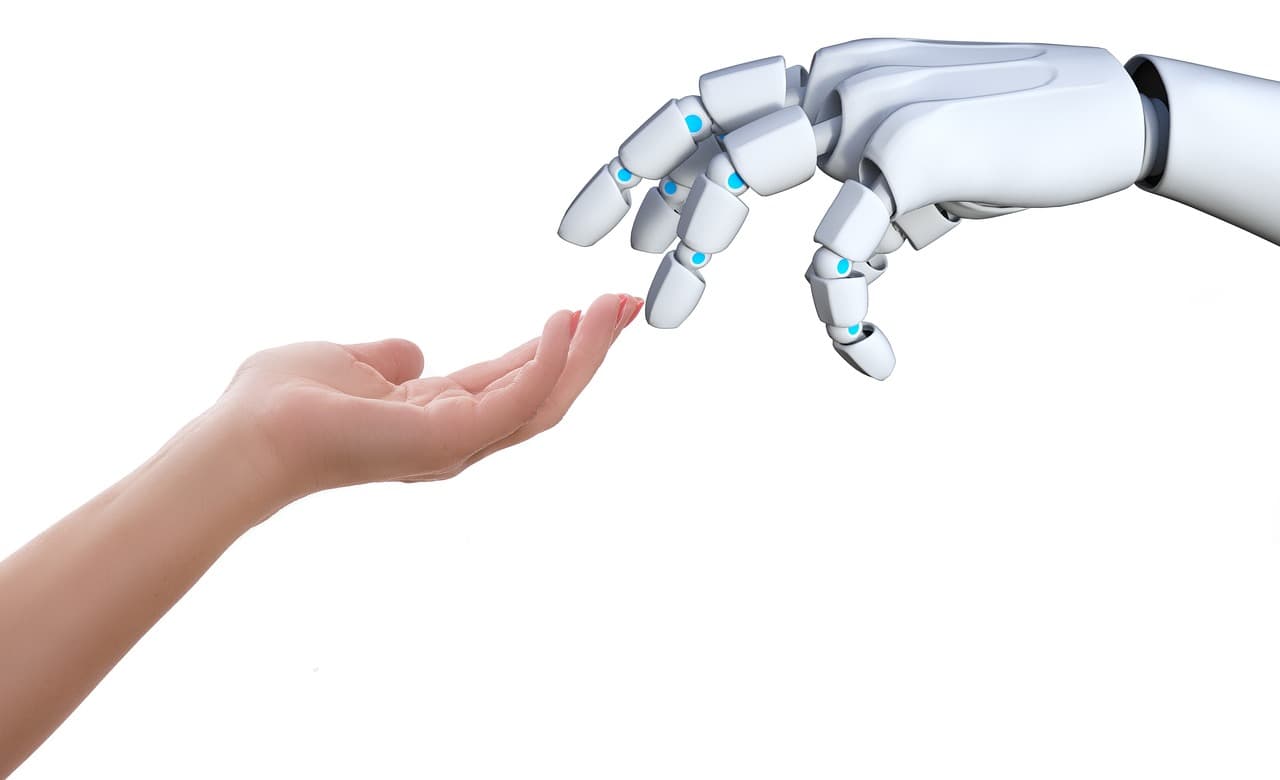
Personal AI agents — applications that act online on behalf of individual users to perform tasks such as booking flights or hotel rooms — have recently scaled up in a way that could significantly alter how the web works. The rollout of apps like OpenAI’s Dots and Meta’s Muse has accelerated this trend: Muse was downloaded 5 million times in its first month, and agentic web traffic tripled from August to September.
Why these agents are neither just people nor classic bots
Historically, internet visitors could be grouped into two categories: humans and automated bots. Bots have long performed scripted web actions under rules and restrictions. Personal AI agents, however, form a third category: they are not human, and they operate at machine speed, but they also differ from traditional bots because they act on behalf of specific humans to carry out legitimate, useful tasks.
Because they don’t fit existing systems that distinguish bots from people, some platforms — particularly those sensitive to security — have chosen to ban agents outright.
Blocks and legal disputes
There have been concrete examples of such blocks. TechCrunch reported users having trouble deploying their agents on sites ranging from Pizza Hut to Yelp (Yelp does not allow AI to make restaurant reservations). Amazon has blocked Muse’s agents and pursued legal action to stop agents developed by Perplexity; although a judge recently ruled in Perplexity’s favor, Amazon has appealed, arguing that AI agents threaten its advertising business by blurring the distinction between ads viewed by humans and those served to bots.
Commercial incentives to admit agents
These bans are frustrating for early adopters, but observers predict broader effects across the web. Ethan Mollick, an associate professor at the Wharton School of the University of Pennsylvania, warns that if people widely use agents to request refunds or negotiate prices, agents could overwhelm customer service systems and render them unusable for real humans. He wrote on LinkedIn that humans will become annoyed when their agents aren’t allowed to act on their behalf.
At the same time, there are strong commercial incentives to let agents in. The vast majority of agentic web traffic goes to e‑commerce sites, giving platforms a financial reason to allow waves of AI agents to shop for real customers. Shopify has already begun accommodating agents by providing them their own checkout lanes that bypass pages designed for humans.
Risks for human users
The central question is how the web will change for human users as agent usage grows. Potential outcomes include:
- Websites becoming less hospitable destinations for people, with worse interfaces for those who want to browse and compare products themselves.
- More frequent and intrusive verification systems to prove a visitor is human rather than an agent, possibly involving biometrics.
- Prices becoming personalized and less transparent, with different users (or their agents) seeing different prices for the same item.
- Agent recommendations being influenced by advertising or platform commissions, reducing trust in impartiality.
These possibilities diverge from visions offered by companies such as Google, Anthropic, and OpenAI, which have suggested AI agents will empower consumers and improve bargaining power. Yet agents can genuinely help with tasks like disputing erroneous medical bills or finding cheaper car insurance — but whether they will be used this way depends on the rules set for agent‑website interactions.
Rules will determine who the web serves
The outcome will hinge on the technical and regulatory frameworks that govern what agents may do and how they authenticate. Some rules will be widely supported — for example, limiting how agents handle credit card information is in the interest of both consumers and businesses. The more contested questions, such as whether businesses may block agents or prevent them from negotiating better deals, will decide whether the internet becomes a highway for agents working on our behalf or a space optimized against human users.
In the coming months and years, a mix of technical solutions, market incentives and legal decisions will shape whether the web is ultimately redesigned for machines acting for people, or for people themselves.