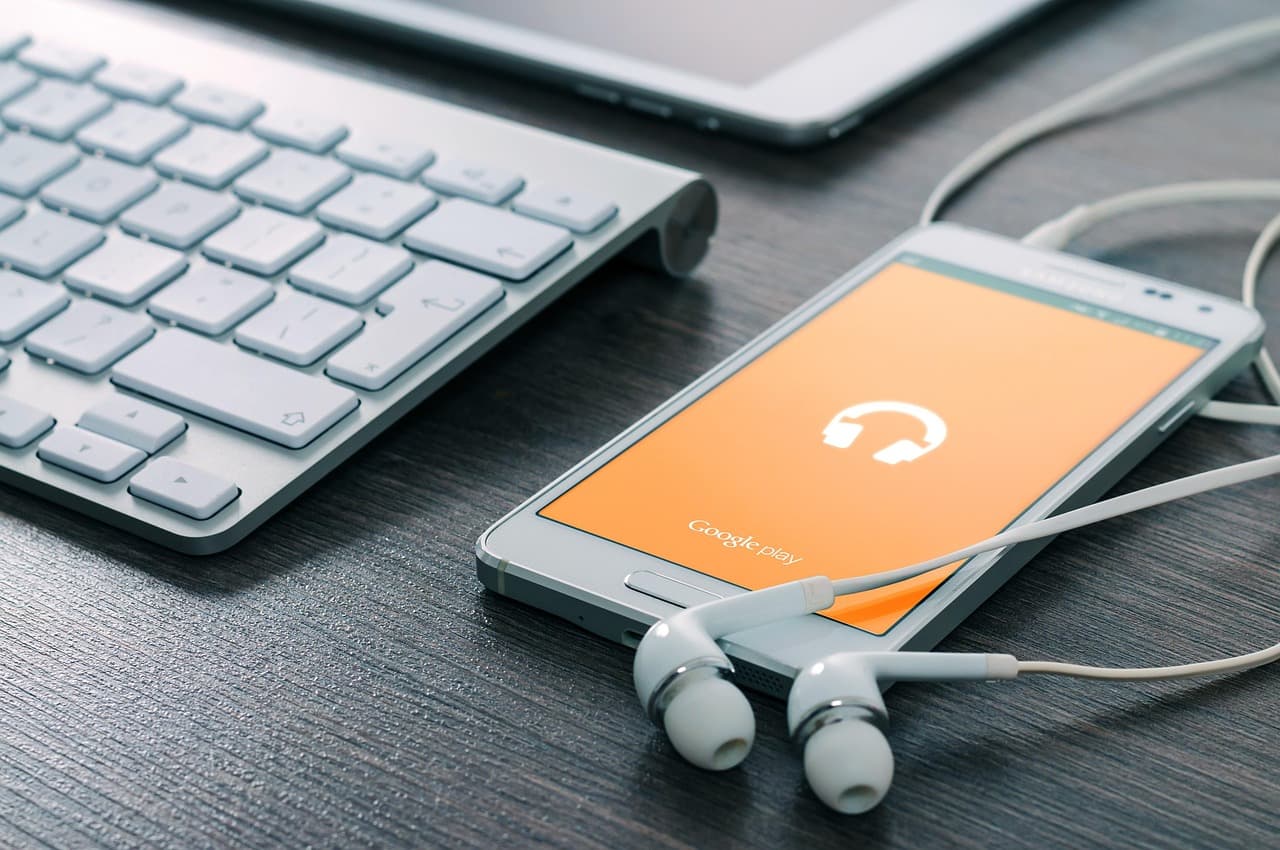
A survey conducted by Tatai Református Gimnázium with participation from more than 220 high school students found that teenagers consider screen time one of the main sources of misunderstanding between young people and adults. One quarter (25%) of respondents said adults often misjudge their phone and social media use.
Students' views on digital devices
Many participants felt that adults attribute problems to phones or the online world that are not actually caused by those things. Some respondents noted that young people are automatically labeled as "phone-addicted," with an assumption that phones are their sole focus and that their social skills are lacking.
Despite this perception, the answers show that the interests of 12–17-year-olds are broader: they most enjoy spending time with friends, listening to music or podcasts, and watching films or series. Sports and reading also rank among the popular activities, and nearly one-fifth of students listed cooking among their favorite pastimes.
Concerns about the future
The survey asked which future challenges and uncertainties worry the students. One third of respondents named the matriculation exam (érettségi) and university admission as their primary concern. Seventeen percent said they are worried because they do not yet clearly see which career or further education path to choose.
Personal relationships also matter: 7% of those surveyed are particularly concerned about how family and friendships will develop after their high school years.
Broader issues and technological worries
Students' attention extends beyond personal matters: several mentioned financial security, climate change, international politics, and technological development. Many are also concerned about whether they will be able to do work they truly enjoy in the future.
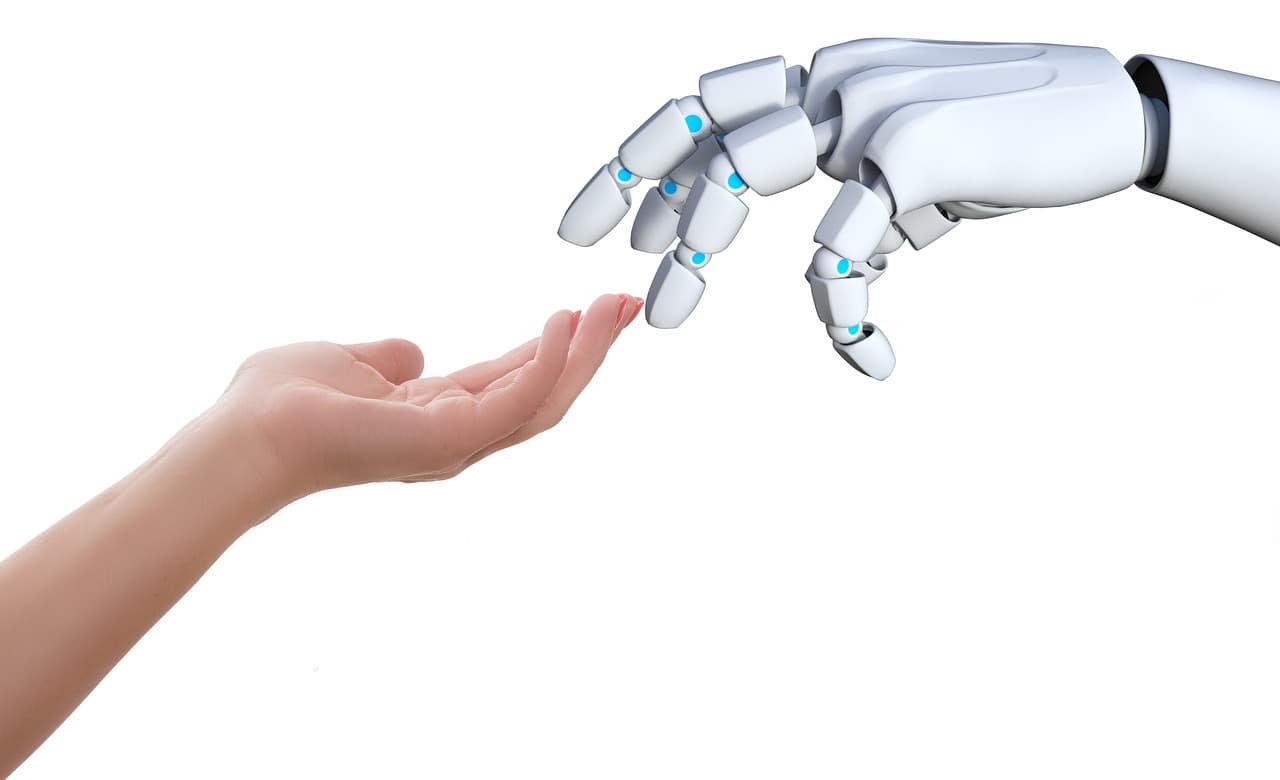
Concerns about artificial intelligence are notable: students wonder how AI will affect the labor market and to what extent it might replace human work.
Summary
The Tatai Református Gimnázium survey highlights that much of the misunderstanding between students and adults centers on digital device use, while teenagers' leisure interests are diverse. At the same time, future-related pressures — exams, further education, career choice, and technological change including AI — represent significant sources of worry for the surveyed high school students.