Asian equity markets fell sharply late in the week as investors took profits in technology names and shifted into defensive positions ahead of the weekend. Market caution was amplified by renewed tensions in the Middle East after U.S.–Iran negotiations stalled and the Iran-backed Hezbollah militia on Thursday rejected a new ceasefire proposal in Lebanon. Israel said it would not withdraw its forces from Lebanon, undermining U.S. President Donald Trump’s efforts to end the fighting and reach an agreement with Tehran.
Weak Broadcom results intensify AI-related selling
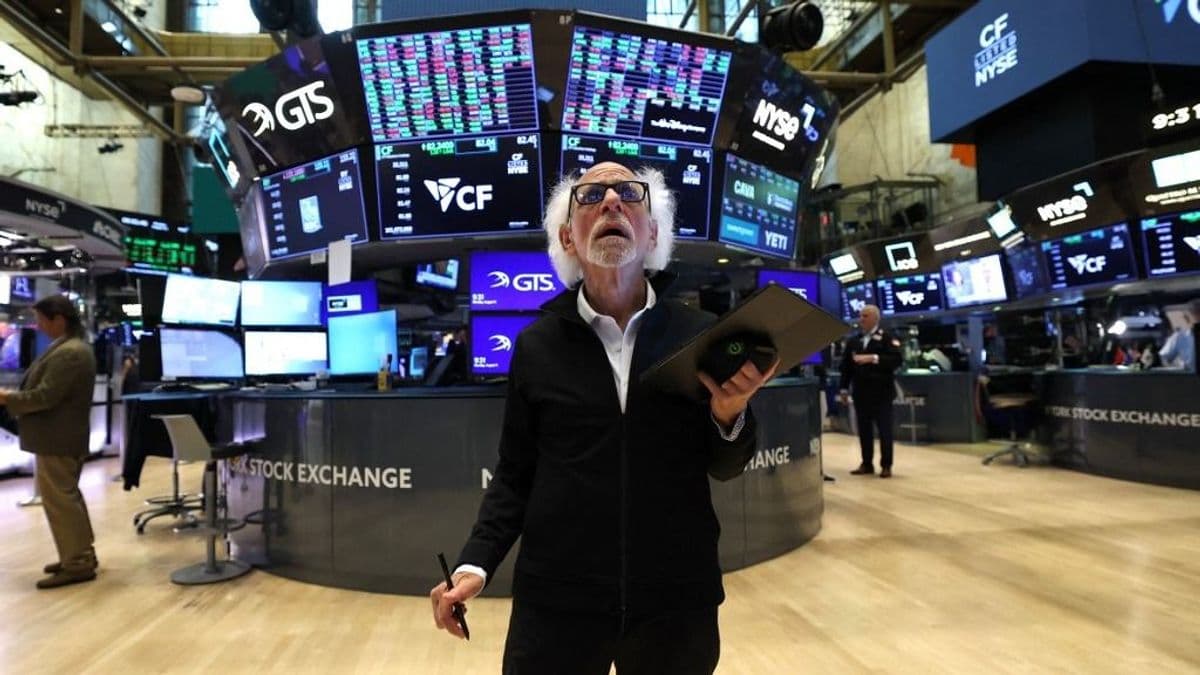
Selling in AI-related stocks accelerated after chipmaker Broadcom reported weaker-than-expected results. The MSCI Asia ex-Japan index fell 1.8 percent during Asian trading. South Korea’s Kospi, heavy with technology names, traded as much as 7 percent lower intraday, while Japan’s Nikkei slipped 1.6 percent.
Charu Chanana, chief investment strategist at Saxo, said risk-off sentiment is dominating markets. She noted that South Korea had been one of the biggest beneficiaries of an AI-driven memory supercycle, so Broadcom’s disappointment on AI outlooks prompted investors to quickly reduce exposure across the semiconductor supply chain. Analysts add that demand for AI has not vanished, but expectations had risen so high that even solid results can disappoint if forward guidance does not improve.
European futures and cryptos: further weakness
Nasdaq futures fell 1.1 percent and S&P 500 futures were down 0.6 percent following mixed Wall Street trading the prior evening. EURO STOXX 50 futures were down 0.1 percent, DAX futures fell 0.4 percent, and FTSE futures were broadly flat.
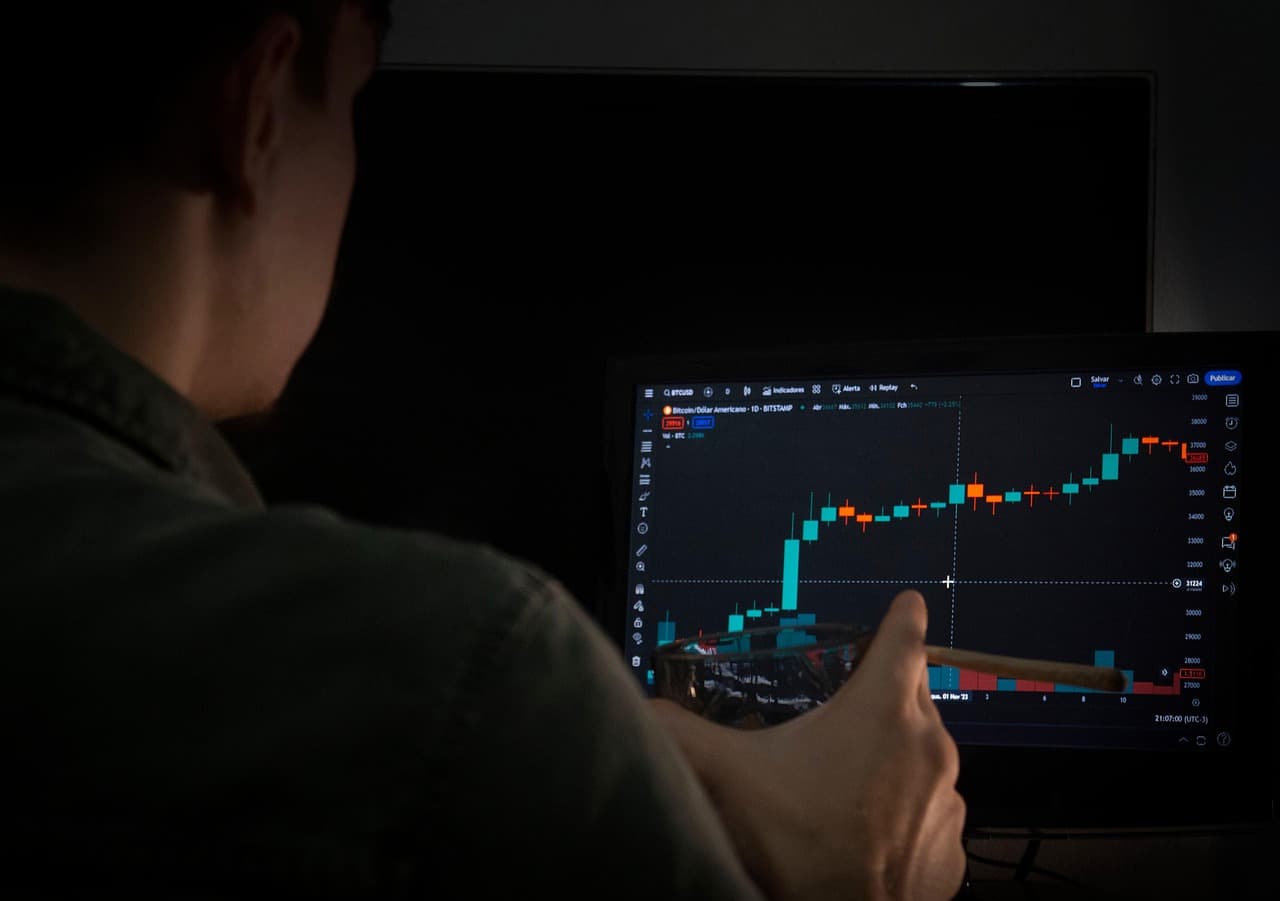
Cryptocurrencies continued to weaken: bitcoin slipped 1.4 percent to $62,725.54 and is tracking toward about a 15 percent weekly loss — the largest weekly drop since the FTX collapse in November 2022. Ether fell 2.3 percent to $1,732.09.
Oil heads higher for the week amid supply concerns
Oil prices closed the week with modest gains as traders awaited further clarity on U.S.–Iran talks. Brent crude futures rose 0.4 percent to $95.38 a barrel and were headed for more than a 3.5 percent weekly gain. U.S. WTI rose 0.1 percent to $93.12 a barrel and looked set for over a 6.5 percent weekly increase.
Kristian Kerr, head of macro strategy at LPL Financial, warned that markets may underestimate how complicated it would be to restore pre-conflict shipping through the Strait of Hormuz even if Washington and Tehran reach an understanding. Initial increases in supply would likely come from stored oil — for example, cargoes on idled or floating storage vessels, or warehoused Iranian shipments — rather than an immediate and sustainable restart of production or exports.
Currencies, gold and the focus on U.S. payrolls
The dollar was headed for about a 0.5 percent weekly gain, supported by the Middle East tensions. The Japanese yen traded around 159.95 to the dollar, close to the 160 level; Japanese authorities’ warnings about the weak currency and the prospect of intervention kept traders alert. Japan’s foreign exchange reserves fell by $77 billion in May, according to data released on Friday.
The euro was trading at $1.1614 and the British pound at $1.34265. Spot gold fell 0.8 percent to $4,439.91 an ounce.
Market attention is shifting to the highly watched U.S. nonfarm payrolls report due later in the day. Consensus expectations call for an increase of 85,000 jobs and an unemployment rate of 4.3 percent. A stronger-than-expected print could reduce the likelihood of an imminent Federal Reserve rate cut.
Bottom line
Risk-off positioning ahead of the weekend, heightened geopolitical risk in the Middle East, and Broadcom’s disappointing results combined to drive selling in technology and AI-exposed stocks. Energy market uncertainty pushed oil prices higher, while cryptocurrencies extended recent losses. Upcoming economic data and geopolitical developments will be decisive for whether the correction continues or markets stabilise.