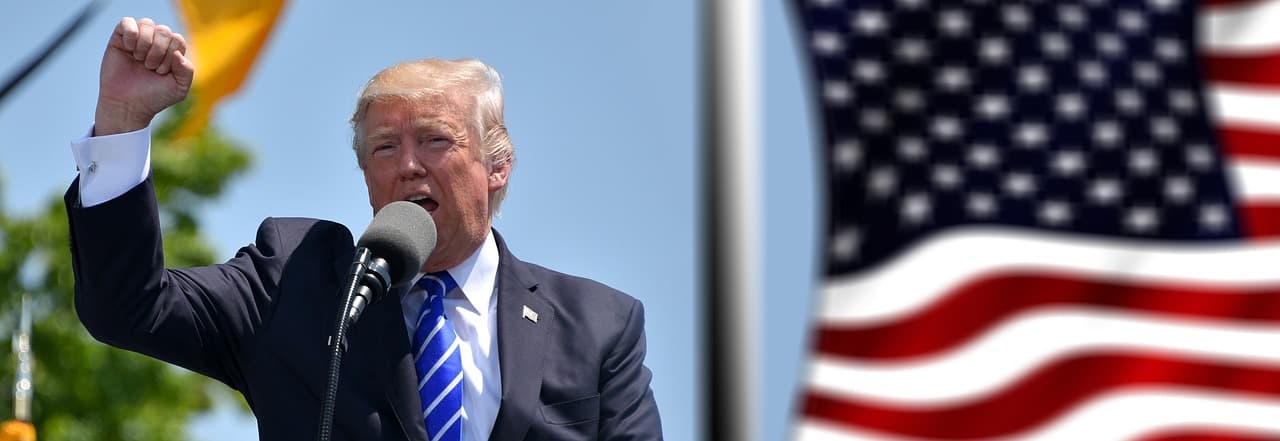
Chinese leader Xi Jinping used his first appearance at the World Artificial Intelligence Conference to present Beijing as a potential leader of a new global AI order based on open-source models. At the event, Xi warned that unequal access to the technology risks creating “new historical injustices,” and he urged countries to seize the “historic opportunity” presented by open models.
Moonshot unveils claimed "world's biggest" open AI model
At the same conference, Chinese technology firm Moonshot unveiled what it described as the world’s biggest open AI model. The timing of the announcement underscored Xi’s message and illustrated that Chinese companies are actively pushing development and promotion of open-source AI.
US systems remain most advanced, but China has other strengths
While analysts cited in the report maintain that United States systems remain the most advanced in AI capabilities, they also note that China holds leadership in other layers of the AI stack. In particular, abundant access to chips and energy supplies could give Chinese AI champions advantages in deployment and scale.
Why this matters
Xi’s speech and Moonshot’s reveal indicate Beijing’s intent to expand both technological capacity and geopolitical influence in AI governance and diffusion. Emphasizing open models can reduce the dominance of single proprietary players, broadening access but also reshaping competitive dynamics and influence over AI standards.
Summary
Xi Jinping’s first visit to the World Artificial Intelligence Conference signaled a concerted push by China toward a leading role in an open-source-driven global AI ecosystem. Combined industry announcements and national-level strategic advantages could alter the balance of influence in the international AI landscape.