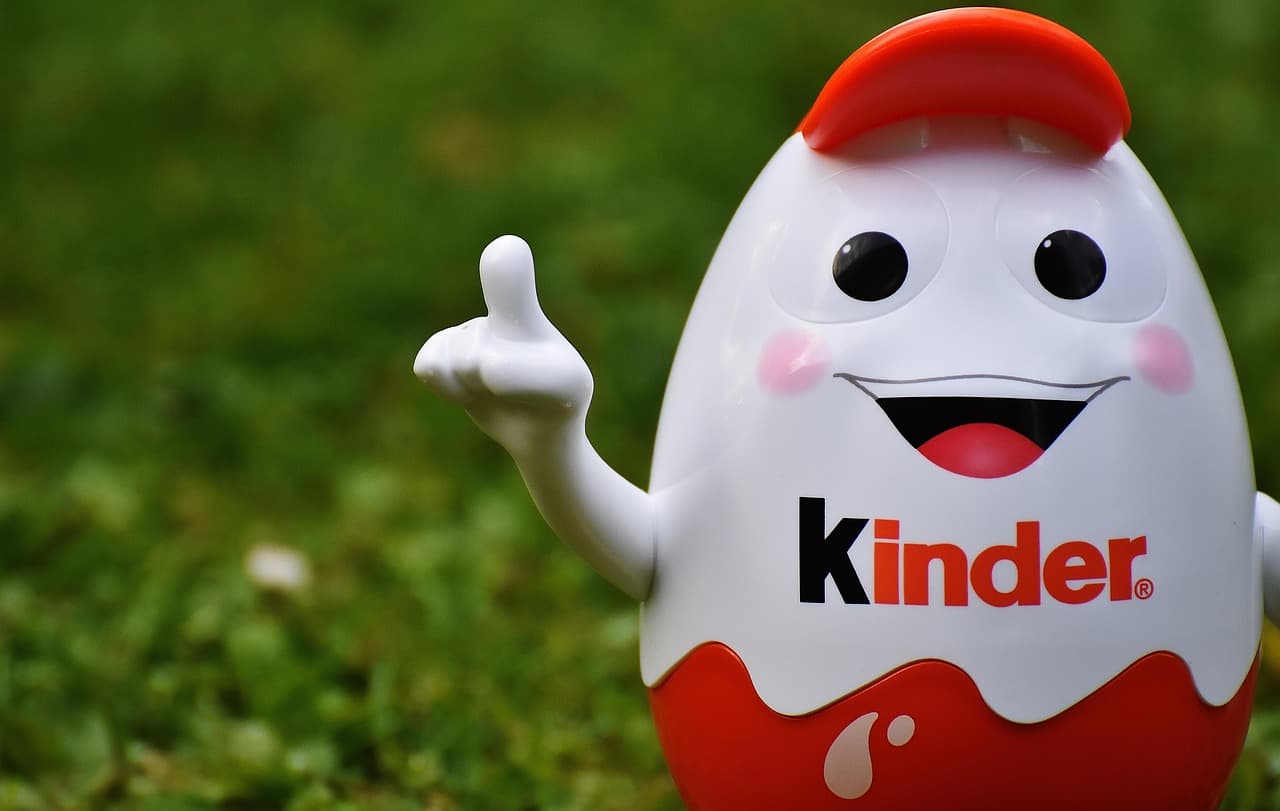
Recent weeks have renewed enthusiasm for consumer-facing AI: Meta’s personal assistant Muse — and its plush mascot Jolly — has become an unexpected hit. OpenAI released Dots just yesterday, pursuing a similarly cartoonish personal assistant concept. Meanwhile the upstart Instinct has reached a $10 billion valuation by focusing on agentic errands such as booking travel, making restaurant reservations and cancelling subscriptions.
On paper the bull case is simple: agentic AI has reached a level of reliability that lets it handle everyday tasks, companies are pitching that capability to ordinary users, and some consumers derive real value. That looks a lot like the ChatGPT debut in 2022, when raw AI performance opened a new product category and attracted investor interest.
Small share of paying users, slow spending growth
But there are reasons the frontier labs have grown cautious about consumer AI — not because the tech isn’t capable, but because even highly popular products encounter limits in how much consumers will pay. Andreessen Horowitz’s semiannual State of Markets report, drawing on a PNC research brief from this summer, highlights two charts: the slowly rising share of consumers who pay for AI and the slowly rising amount they pay.
PNC’s data show that as of May, 2.2% of consumers were paying for AI services, with an average spend of $31 per month. Andreessen Horowitz frames this positively — it’s early for mature AI adoption and there’s room to grow — yet both metrics climb in a roughly linear fashion. Massive improvements in model performance (for example, the jump from GPT-5.2 to Astra) barely move the curves.
Other institutions report similar patterns. Bank of America found in March that roughly 3% of U.S. consumers paid for AI, a roughly 40% increase year-over-year. A Menlo survey from September presented a somewhat brighter picture: it found that a quarter of adults use AI daily, and half of those users pay for it.
The problem is costs as much as revenue
The consumer route stumbles less on revenue potential and more on cost. Running AI is unusually expensive compared with lighter legacy consumer internet businesses like social networks or cloud services. Even hundreds of millions of paying users do not guarantee breakeven.
To illustrate: if one treats Netflix’s roughly 325 million subscribers as a benchmark for a saturated market, an average revenue per user of about $34 per month would yield roughly $11 billion in annual revenue — less than a third of OpenAI’s operating costs, as the analysis notes.
Major labs pivot to enterprise
The big labs appear to have adjusted. OpenAI’s widely reported pivot toward enterprise has been largely effective: enterprise bookings have reportedly doubled since July. Even the Dots launch carried a strong enterprise angle, showing how a personal agent could help software engineers and agency creatives. A long-standing route to monetize popular-but-low-price consumer services is to sell higher-margin versions to businesses, and OpenAI seems to be following that playbook.
What about Muse and Instinct?
It’s harder to draw firm conclusions about Muse and Instinct. Muse benefits from Meta’s powerful personalized ad-targeting infrastructure, giving it more monetization options and more time before direct monetization becomes urgent — and Meta is reportedly exploring enterprise opportunities as well. Instinct’s plan involves taking a cut of purchases made through the agent, which could raise its revenue ceiling; it may also avoid the cost of training a frontier model, which would materially reduce its expenses.
Bottom line
The underlying economics of consumer AI — low share of paying users, modest per-user spending and high operational costs — impose a hard cap on how large a purely consumer-focused AI company can grow without turning to enterprise revenue. That lesson appears to have already reshaped strategies across the industry, and it remains one of the few stable facts about the sector.